The Amazing World of Data
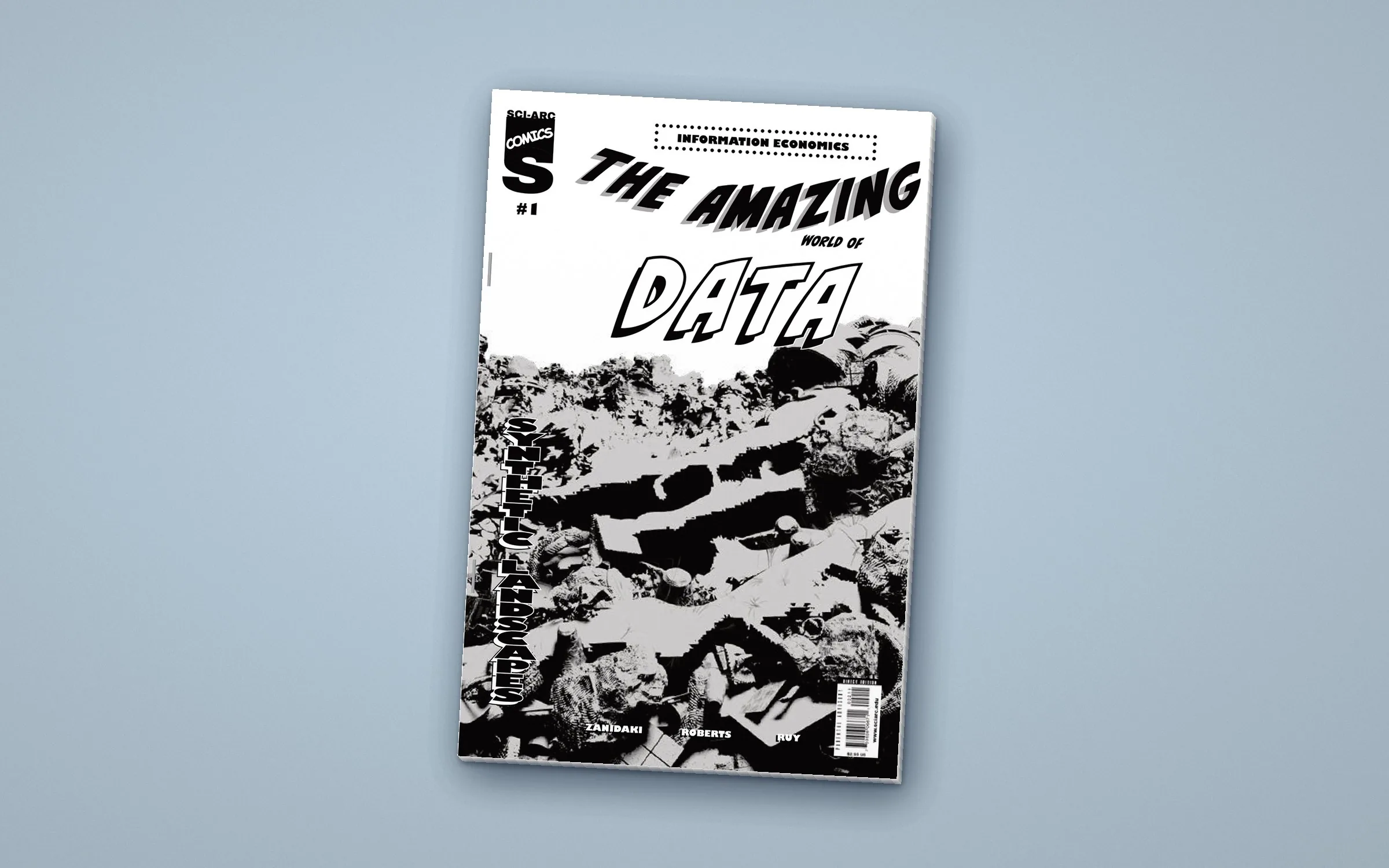
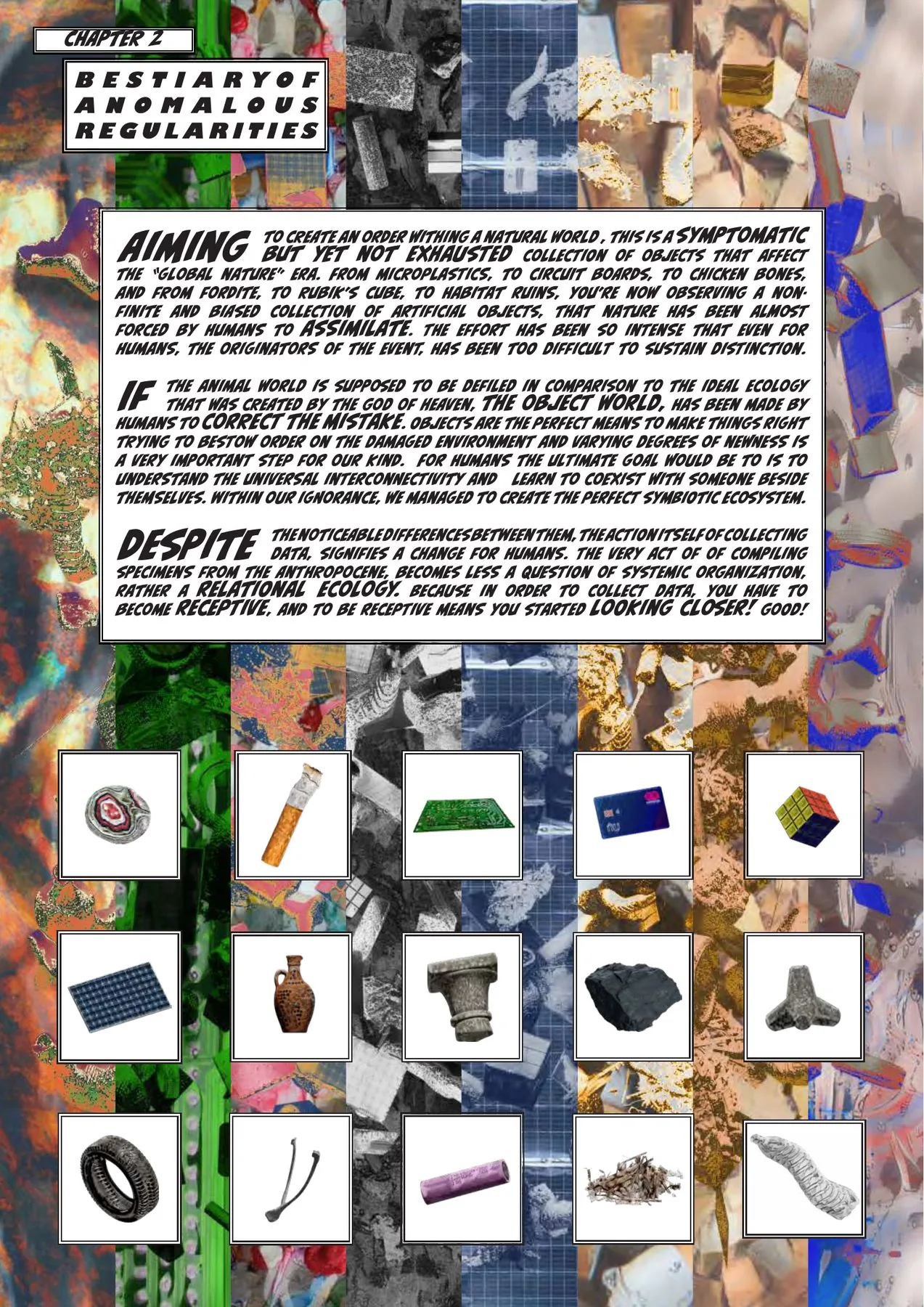
This project experiments with data efficiency. In an almost ecological approach to everything that already exists, it extracts information from pre-existing objects and redirects the findings elsewhere: ongoing research into translating information, inventing new kinds of data combination and new techniques of form finding.
Through the new-age spirituality that has been rising, and that almost peaked in the Covid era, people seemed to be trying to reconnect with their cosmic “something”. That left room for a new narrative about connecting with nature, through people’s primordial ability to reuse data. The focus shifted to the dynamic relationship between data and its processing, as it appears in folklore and myth, expressed in the formula observation / divine power–alchemy / explanation.
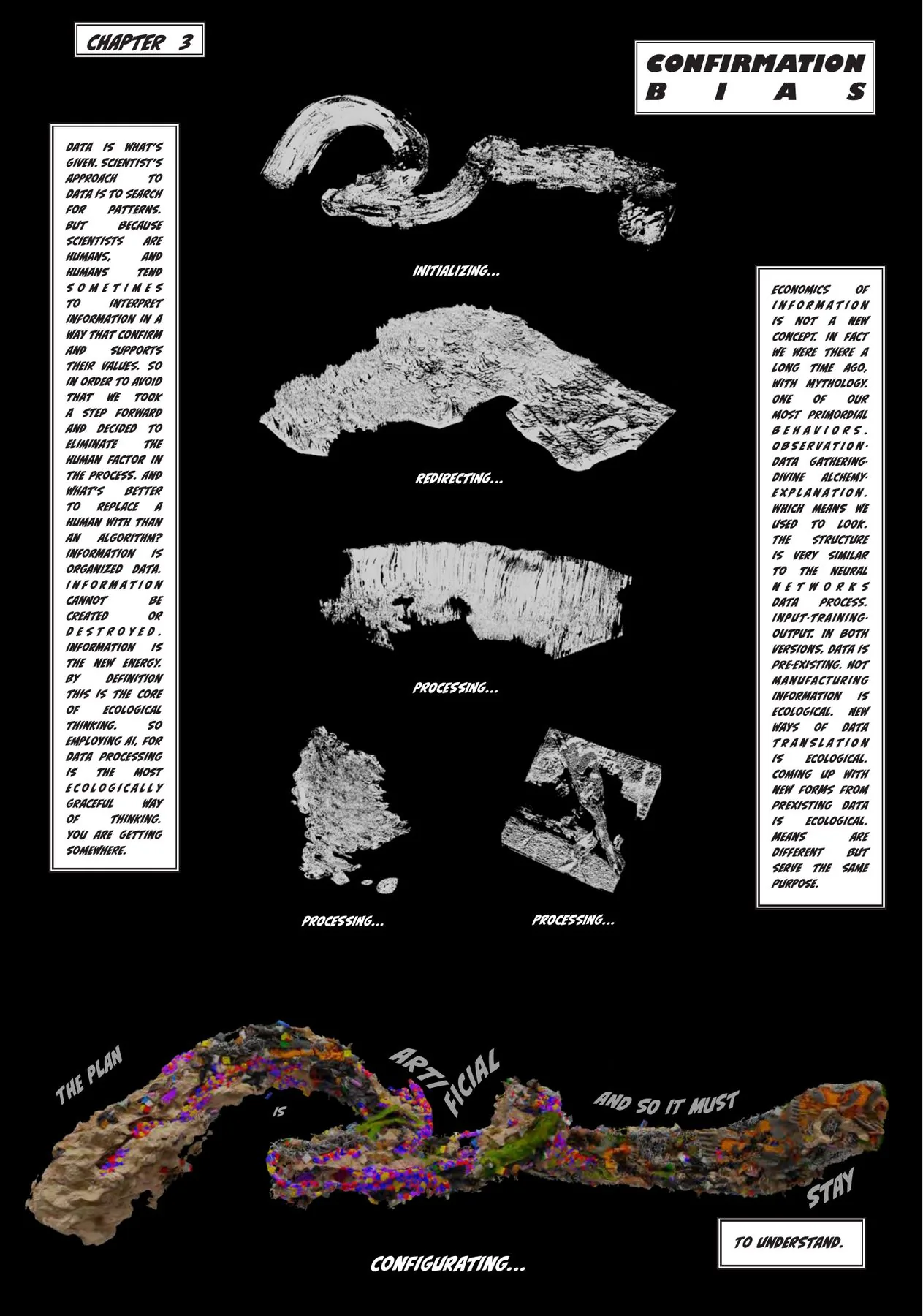
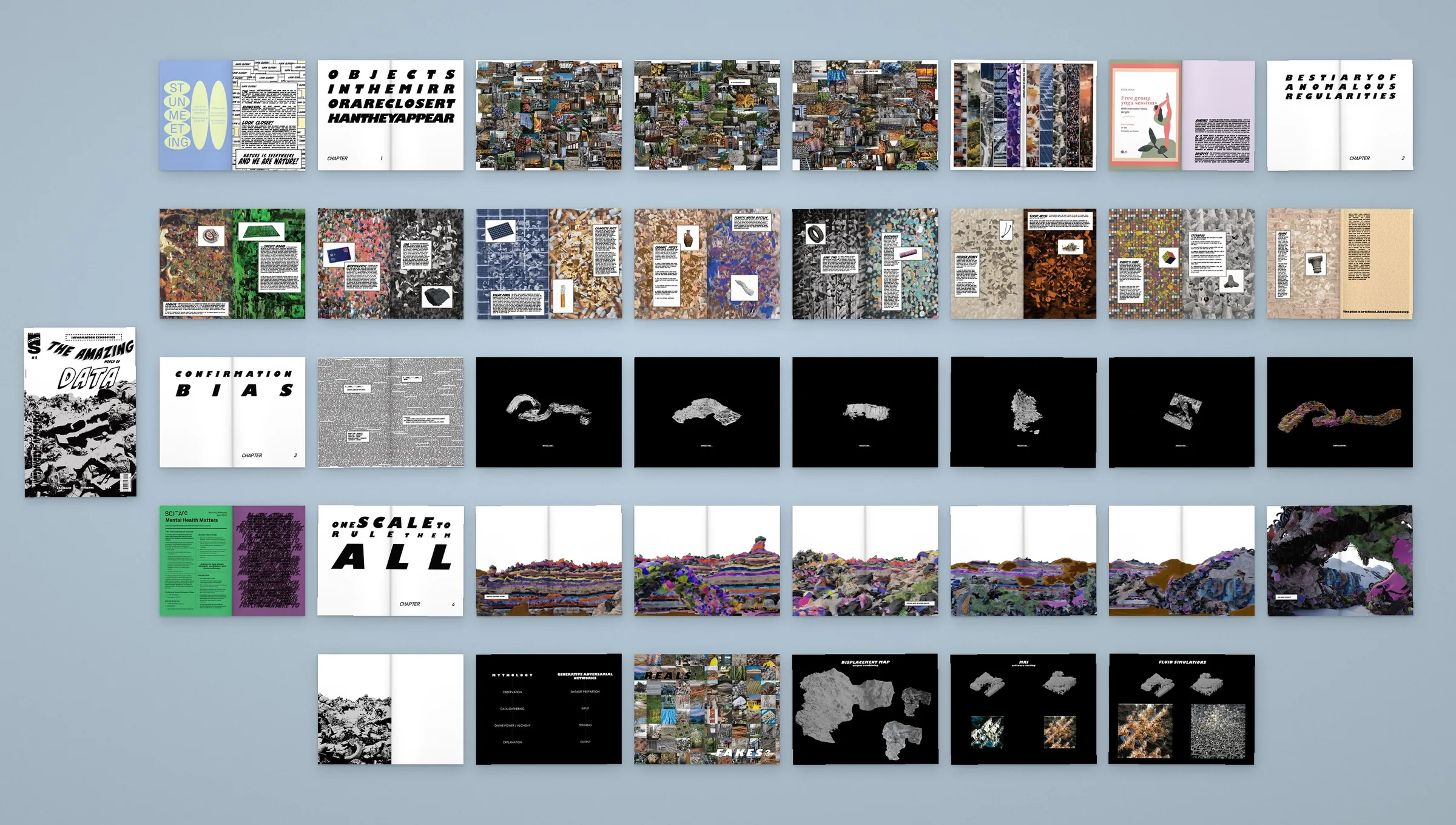
That formula looked very familiar. It closely resembles the GAN formula, input / training / output, a rough way of describing how generative adversarial networks work. So a new mythological formula was invented, infused with the GANs’ structural logic, and the analogies followed: observation became dataset preparation, divine powers and alchemy became the GAN training, and the explanatory myth became the output.
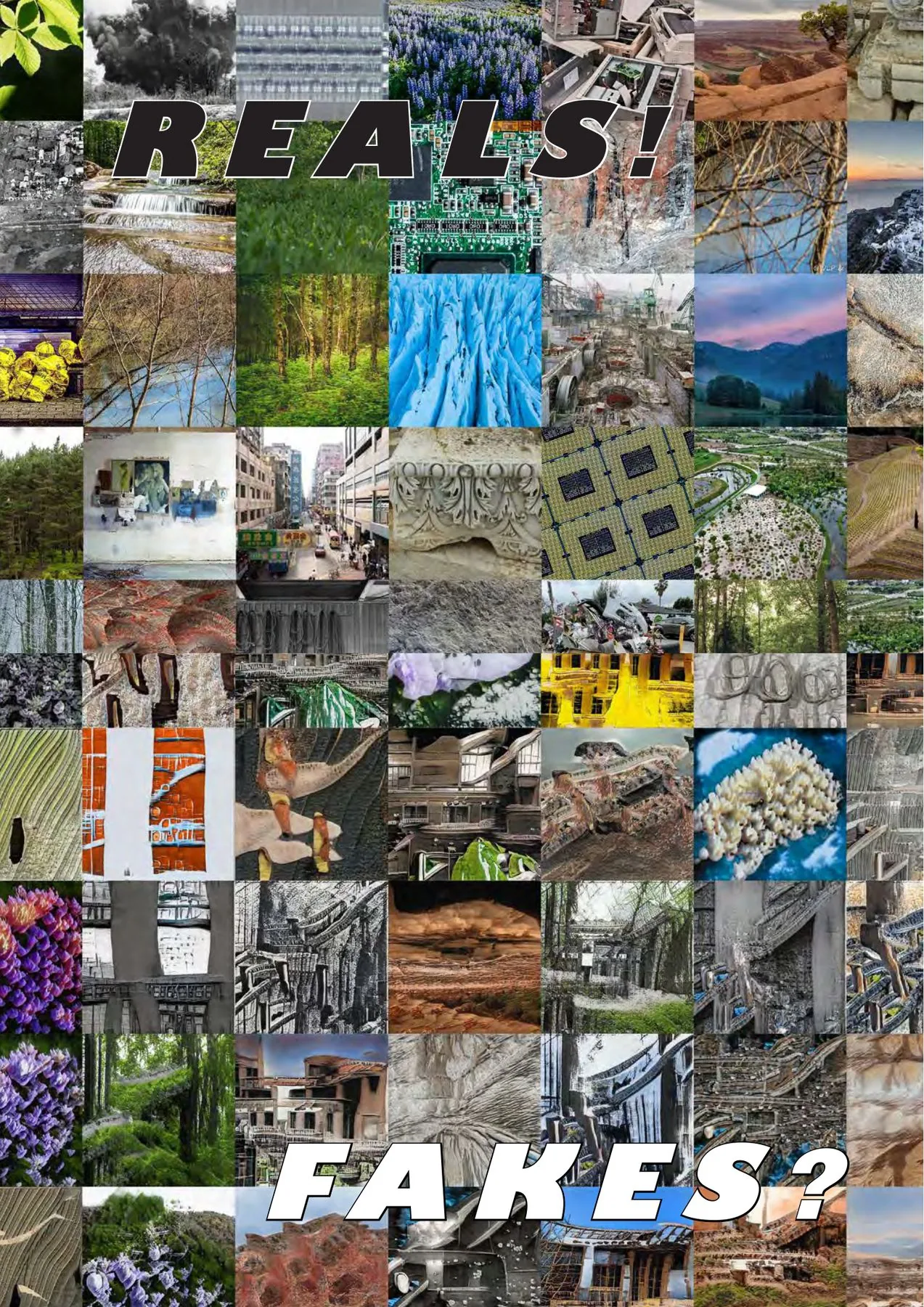
Myths build narratives around very abstract concepts. That raised a question: what would a neural network produce if its input were cohesive but non-resembling? GANs are usually trained on datasets with resembling characteristics, to produce new forms of “known” objects. How would one react to input described by the same terms but without visual resemblance, such as images sampled from an abstract concept like nature or landscape? Would the output fall into the same category as the original concept? And once data has been processed and recycled, what comes next?
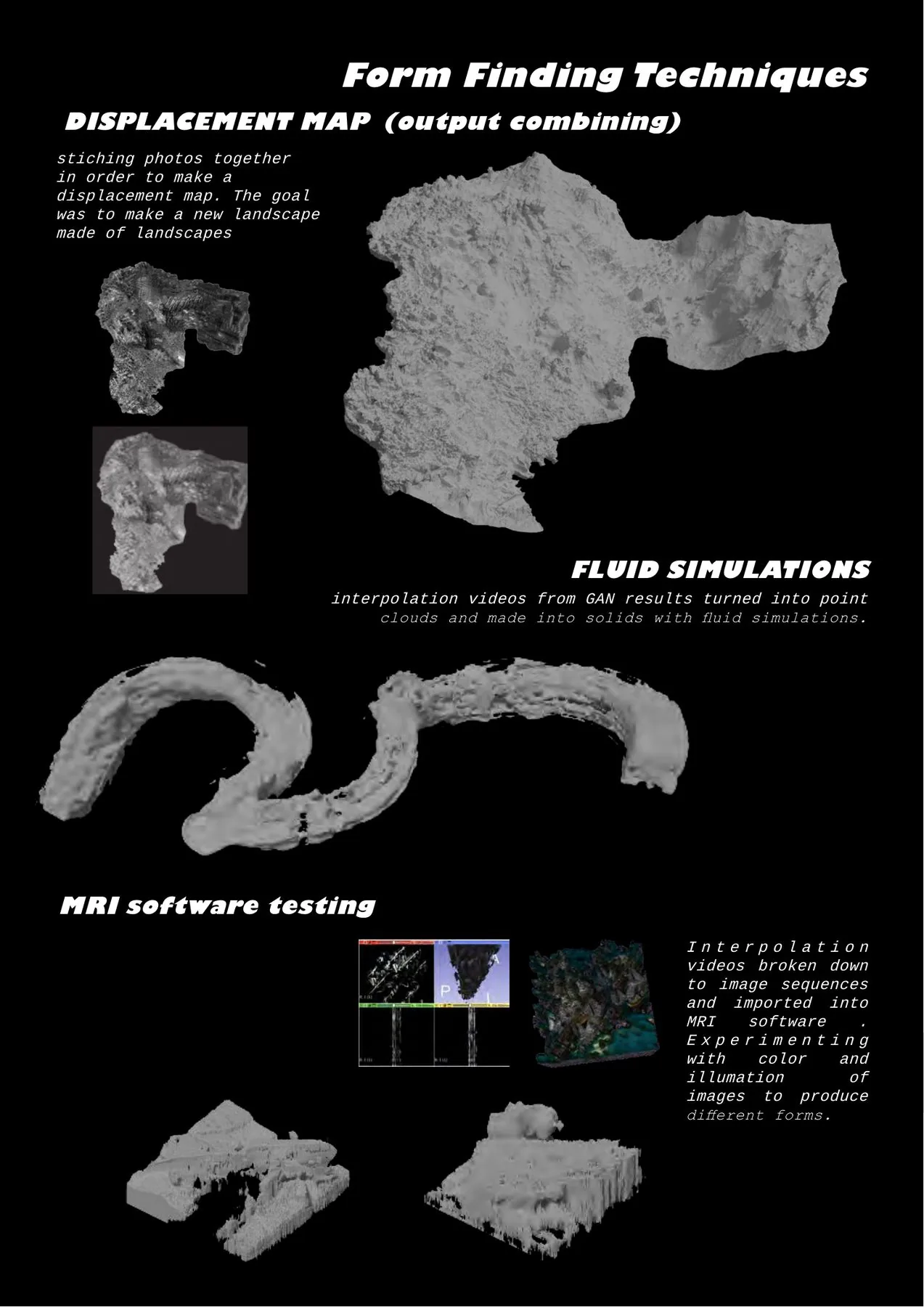
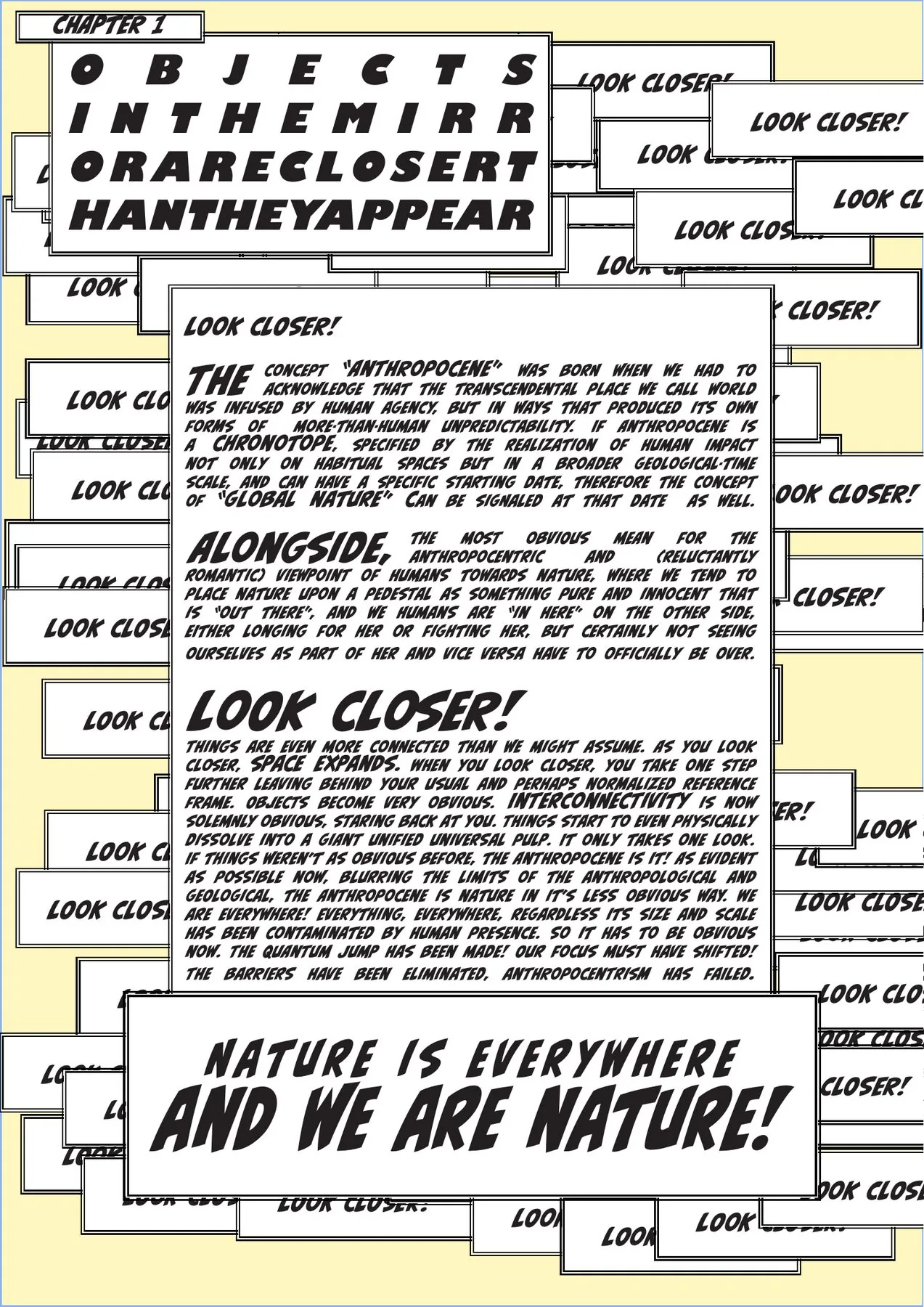
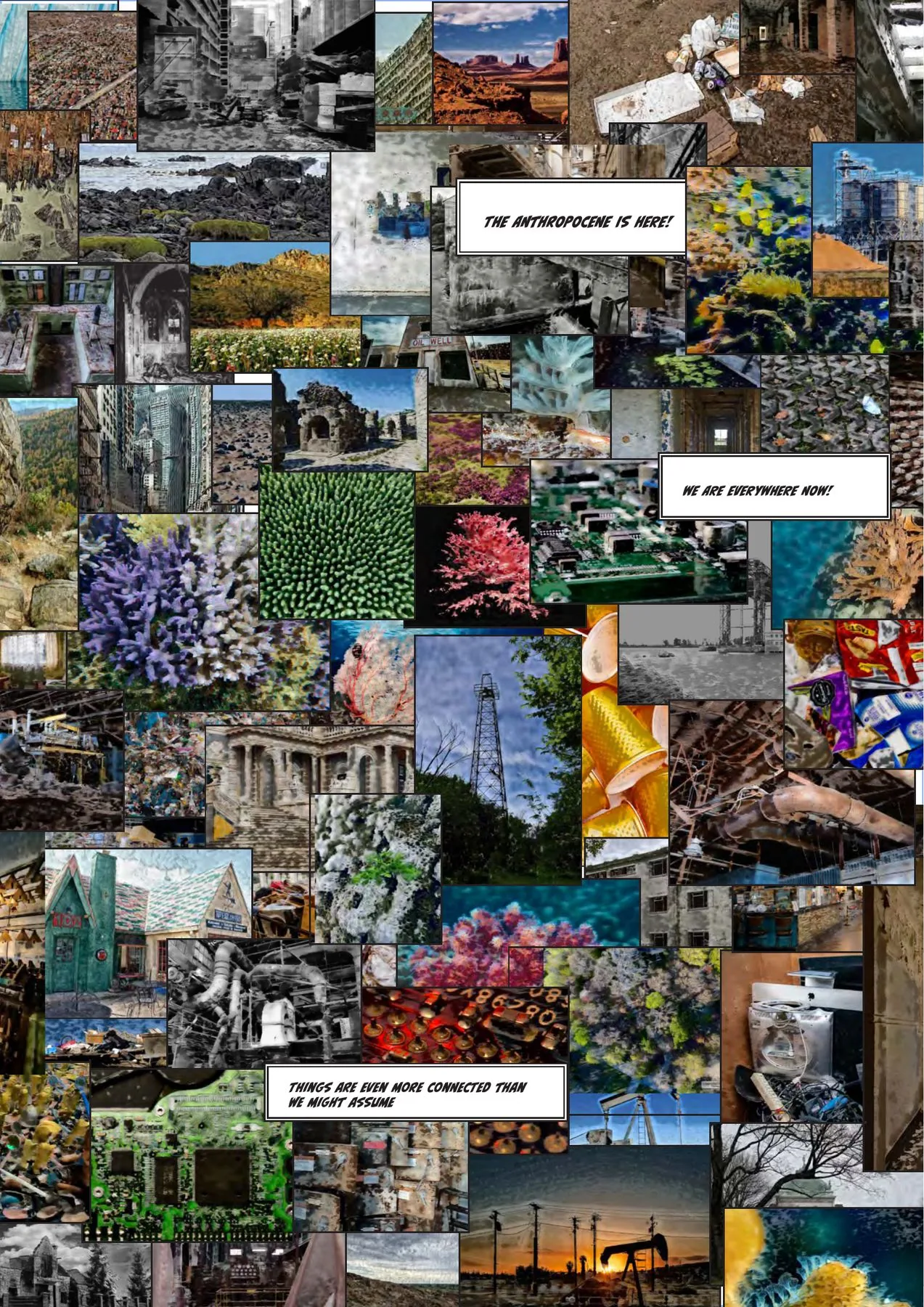
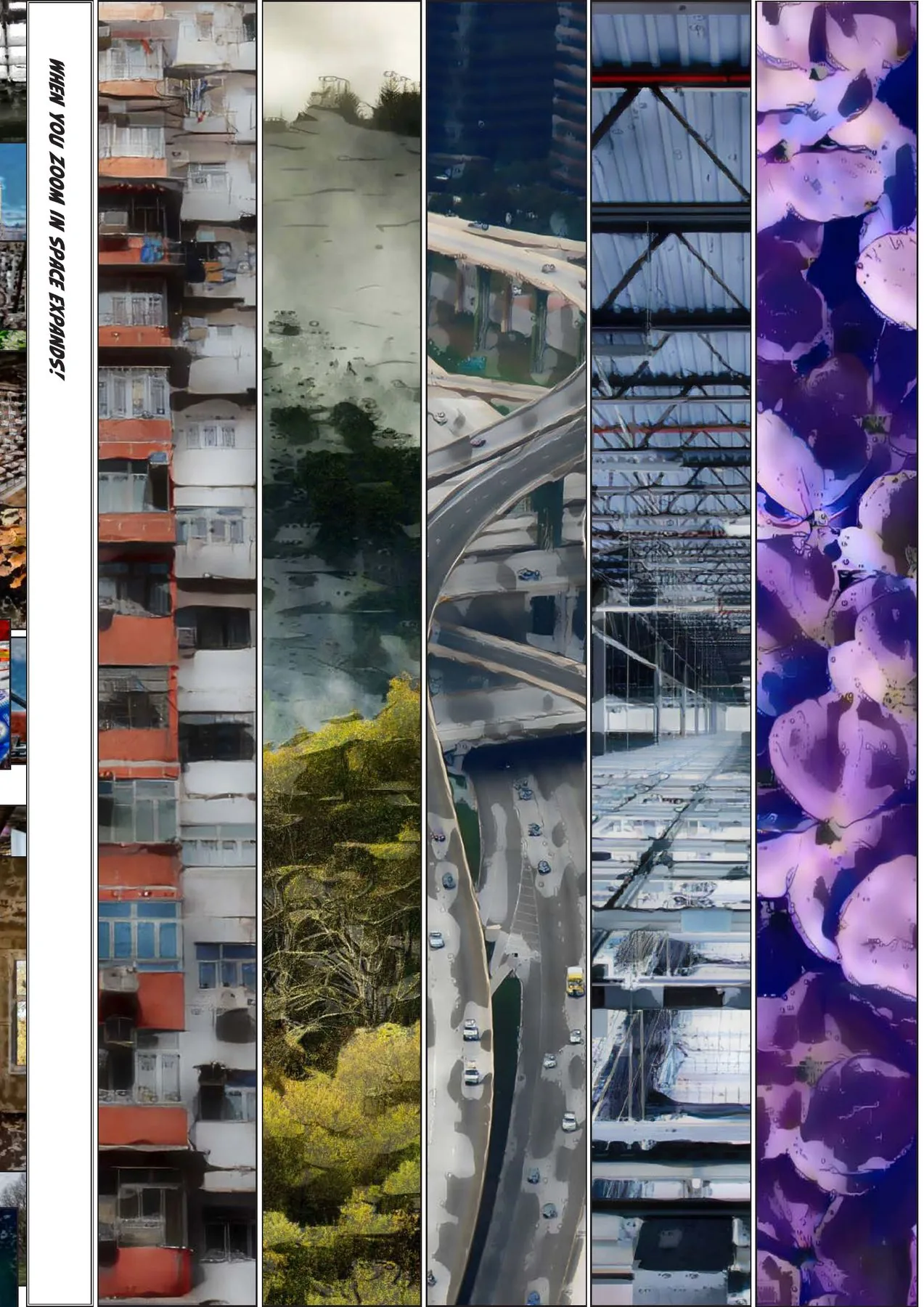
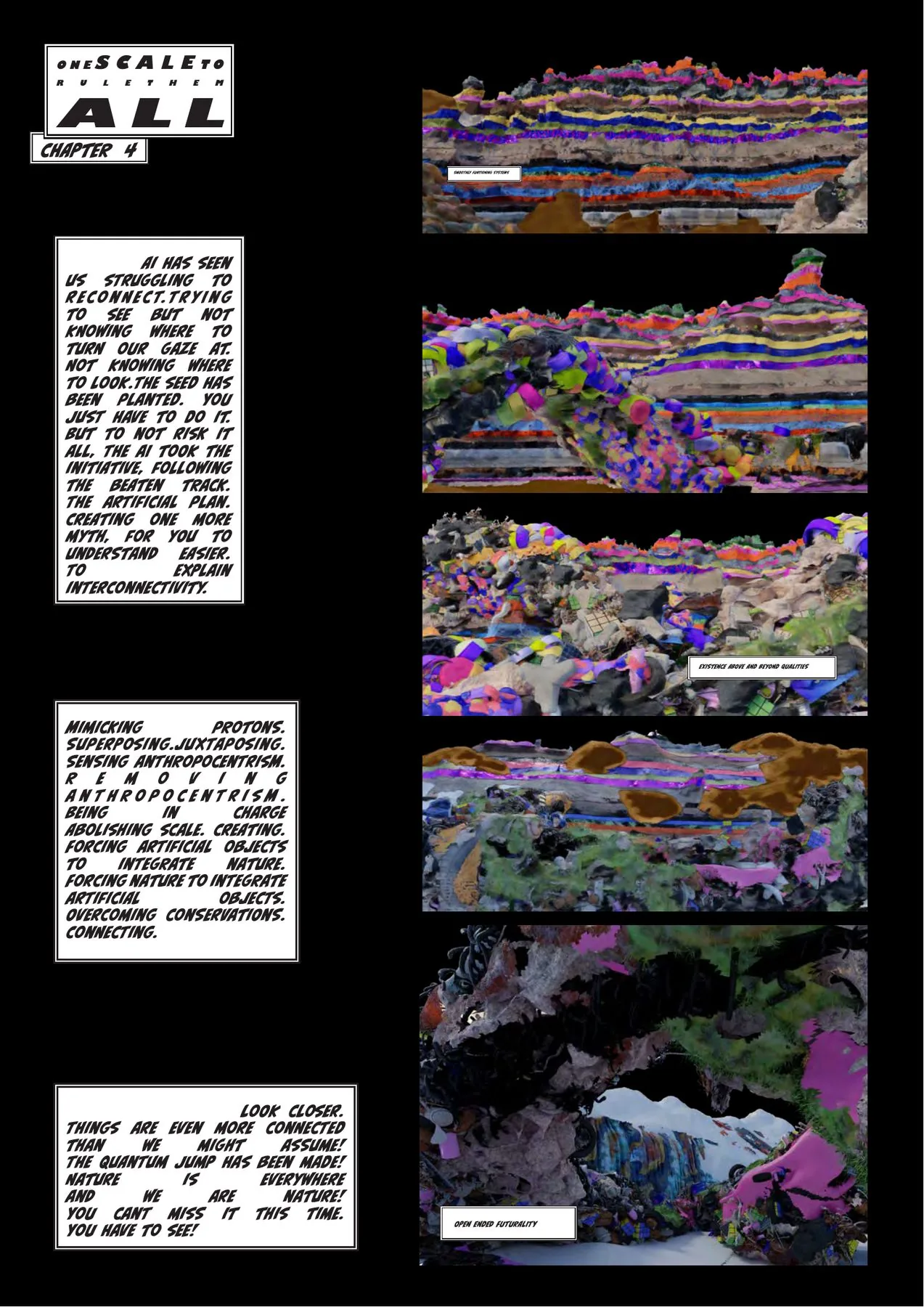
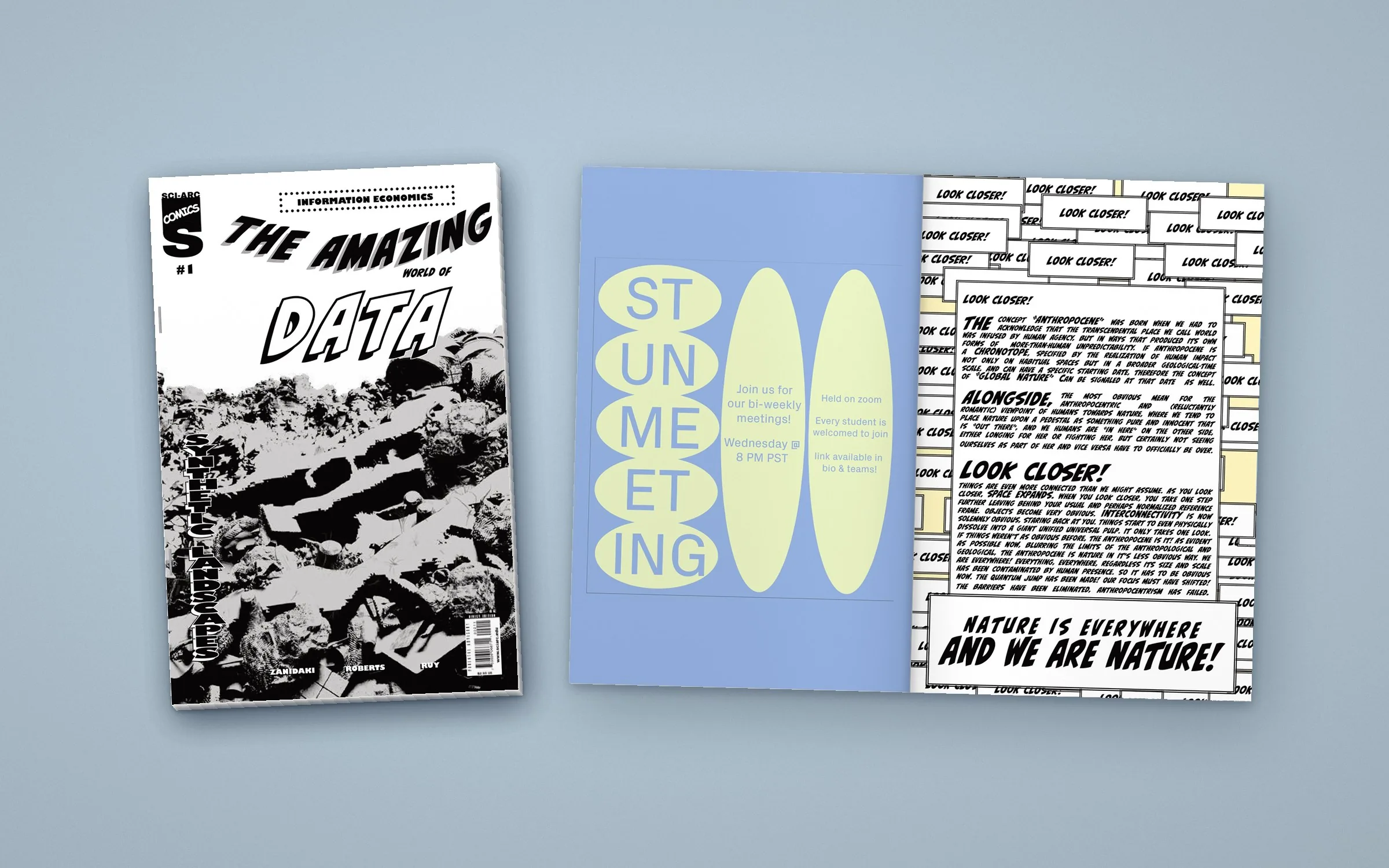
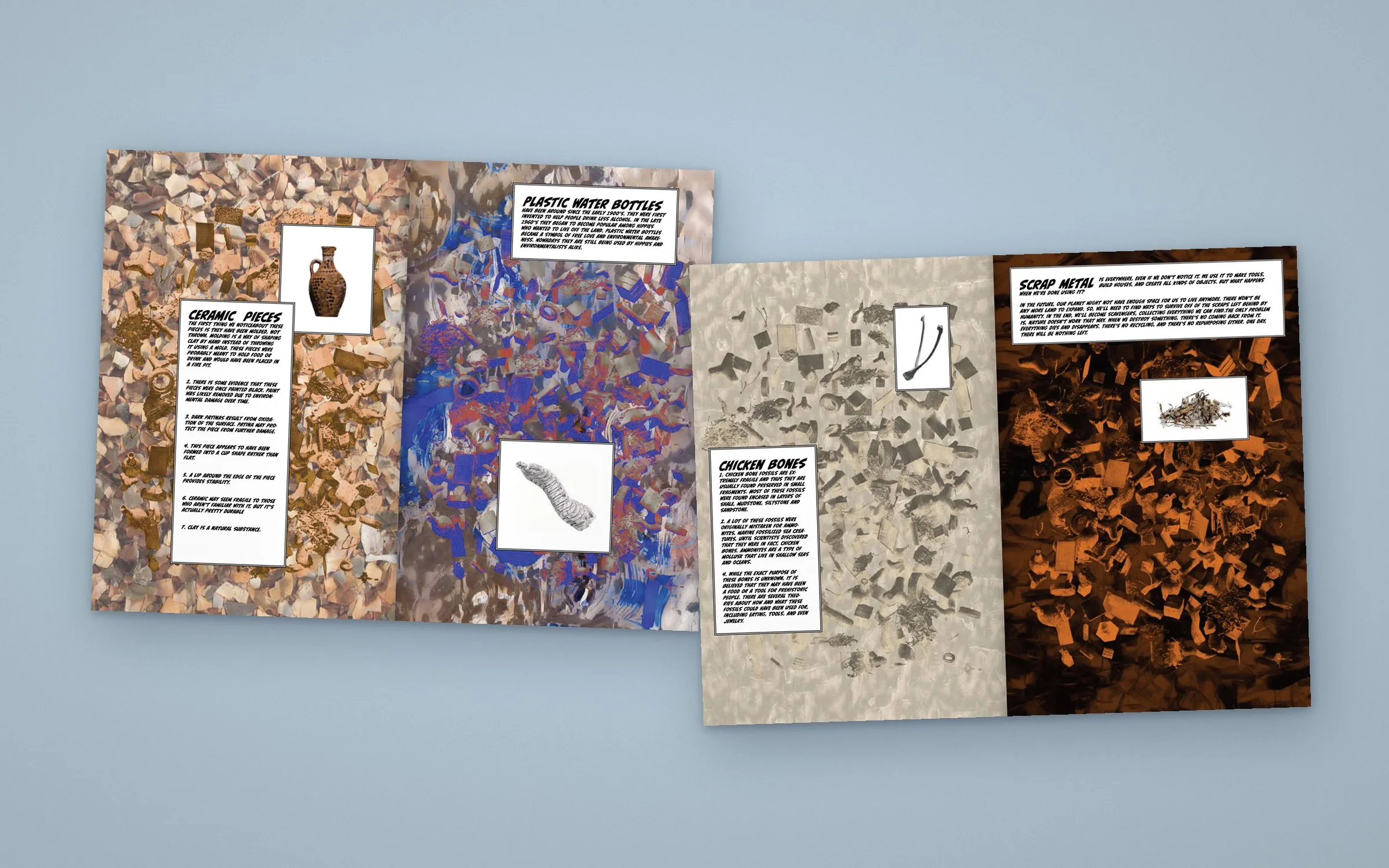
The project tested many ways of finding form: from conventional image stitching, to combinations that turned outputs into displacement maps, video sequences into point clouds, and point clouds into 3D forms through MRI software and fluid simulations, in an effort to sustain and heighten the fluidity of data. It was presented as a graphic novel, to keep the essence of storytelling that mythology holds.
The full graphic novel is on Issuu ↗.
The graphic novel
Selected pages