Collective Nostalgia
For a few centuries Venice stood at the centre of the known world: a republic built upon water, where trade, art and power converged into what has often been described as a peak of civilisation. Its decline did not end its reign over the imagination. Long after its fleets were gone, Venice remained the measure against which other cities dreamt of themselves.
Maurice Halbwachs argued that memory is never purely individual: we remember as members of groups, and the places we share hold our recollections in place. A city, in this sense, is a vessel of collective memory, kept in its streets, its stones and its waters. Yet memory can outlive the conditions that produced it. When a shared past comes to be remembered as a lost ideal, memory turns into longing, into what Svetlana Boym described as a yearning for a home that no longer exists, or has never existed. Collective nostalgia is this shared longing: not for a moment one has lived, but for a state an entire culture believes it once reached, and keeps trying to return to.
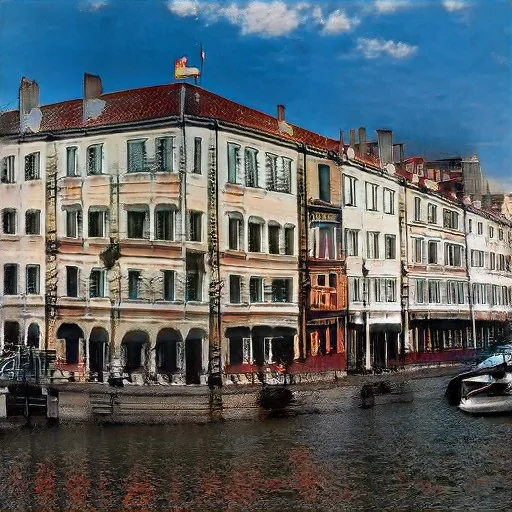
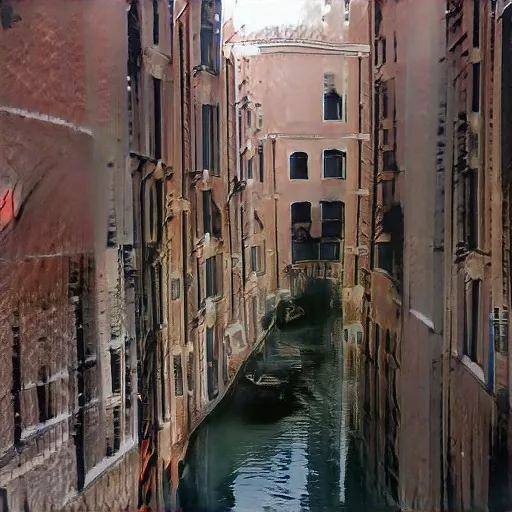
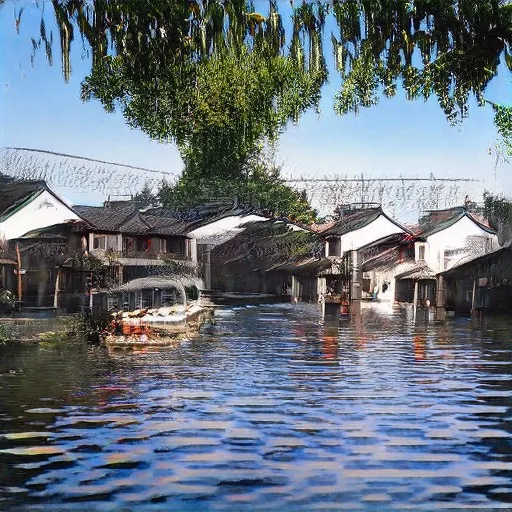
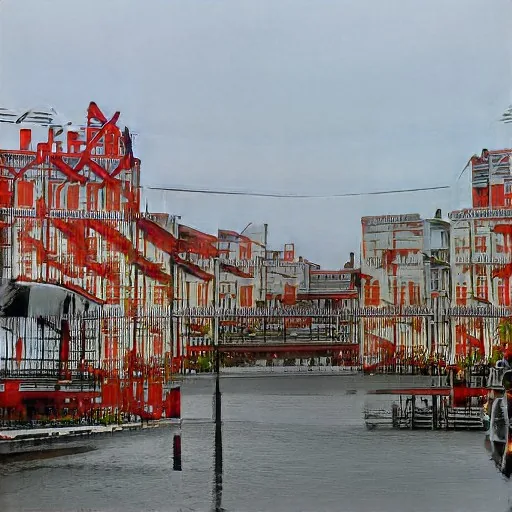
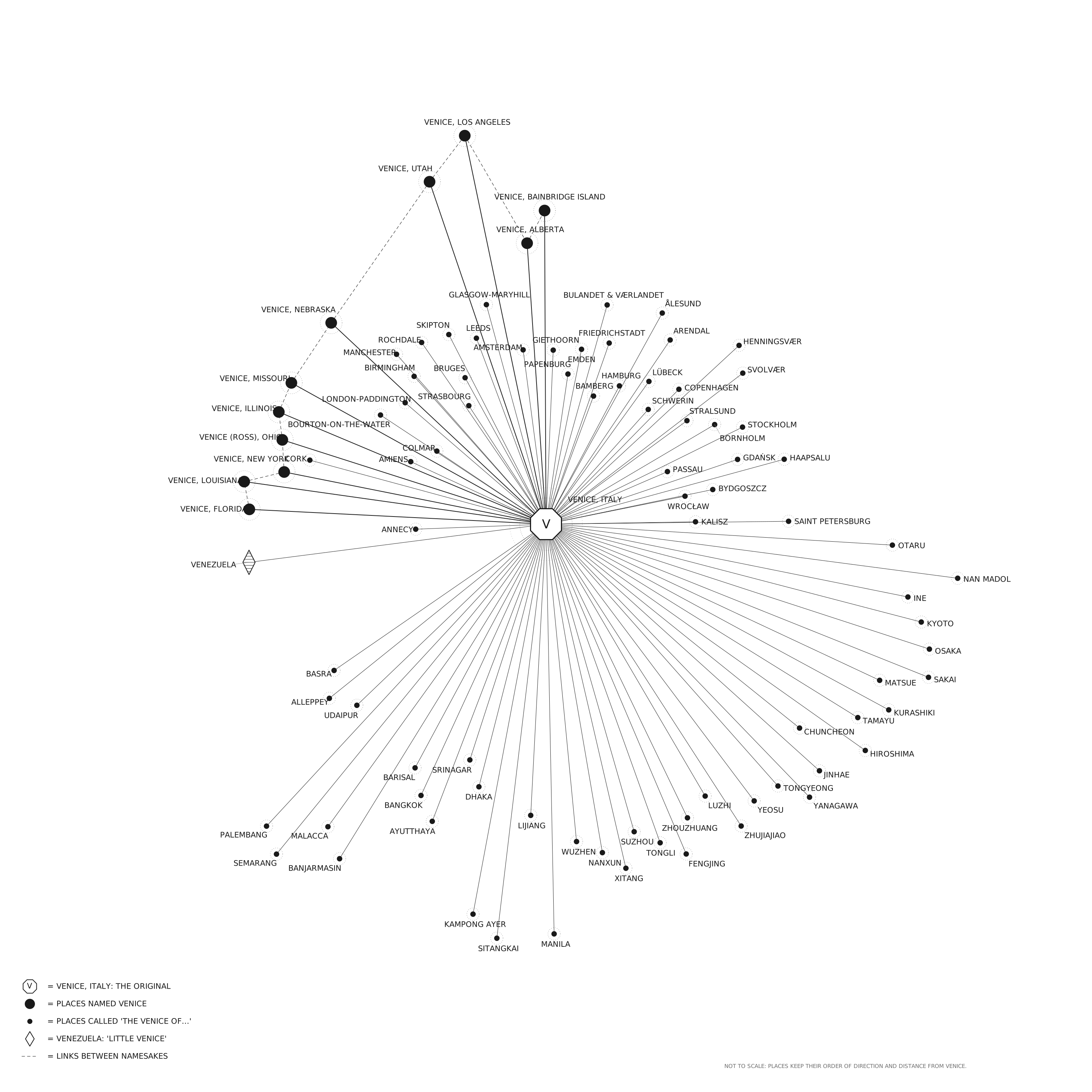
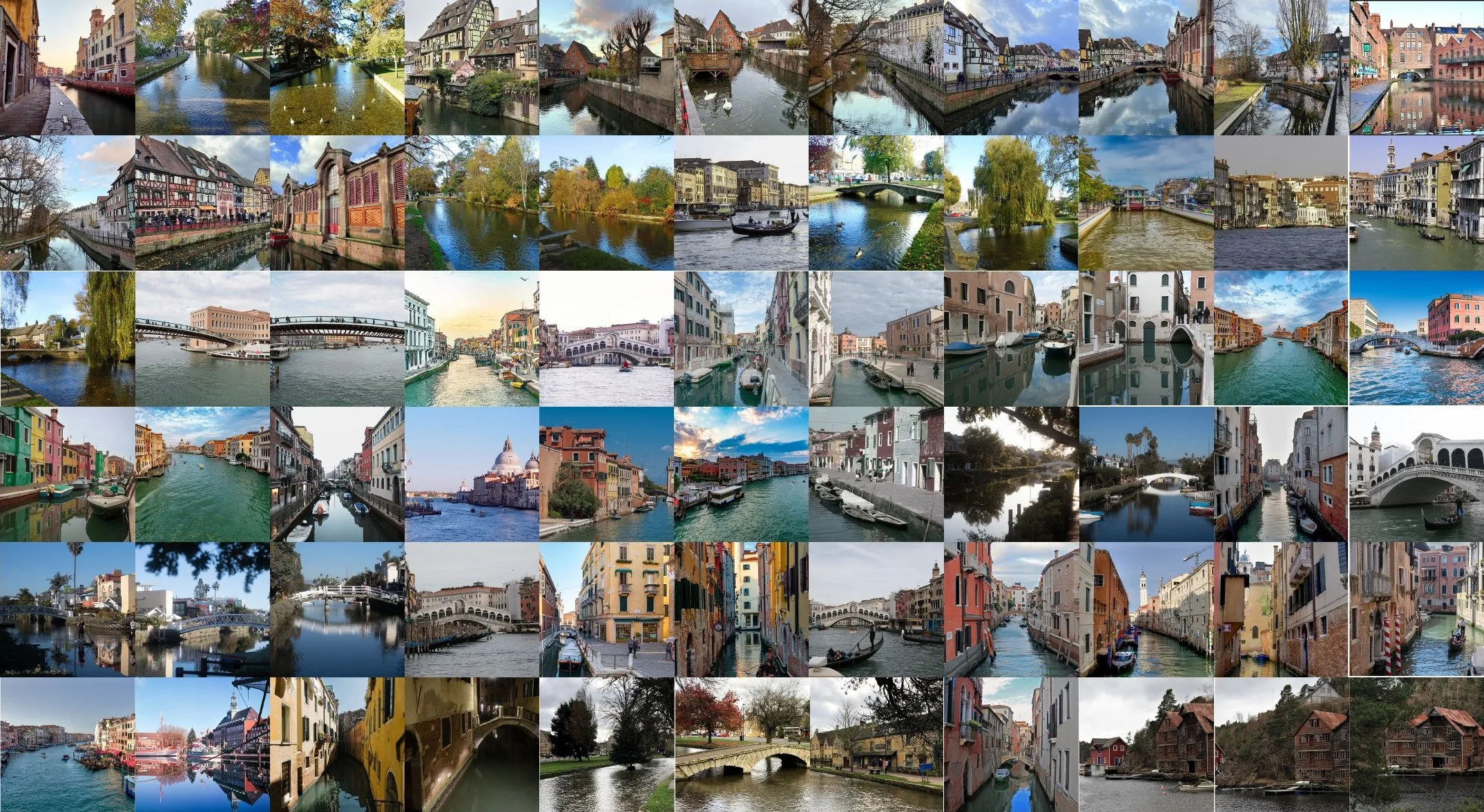
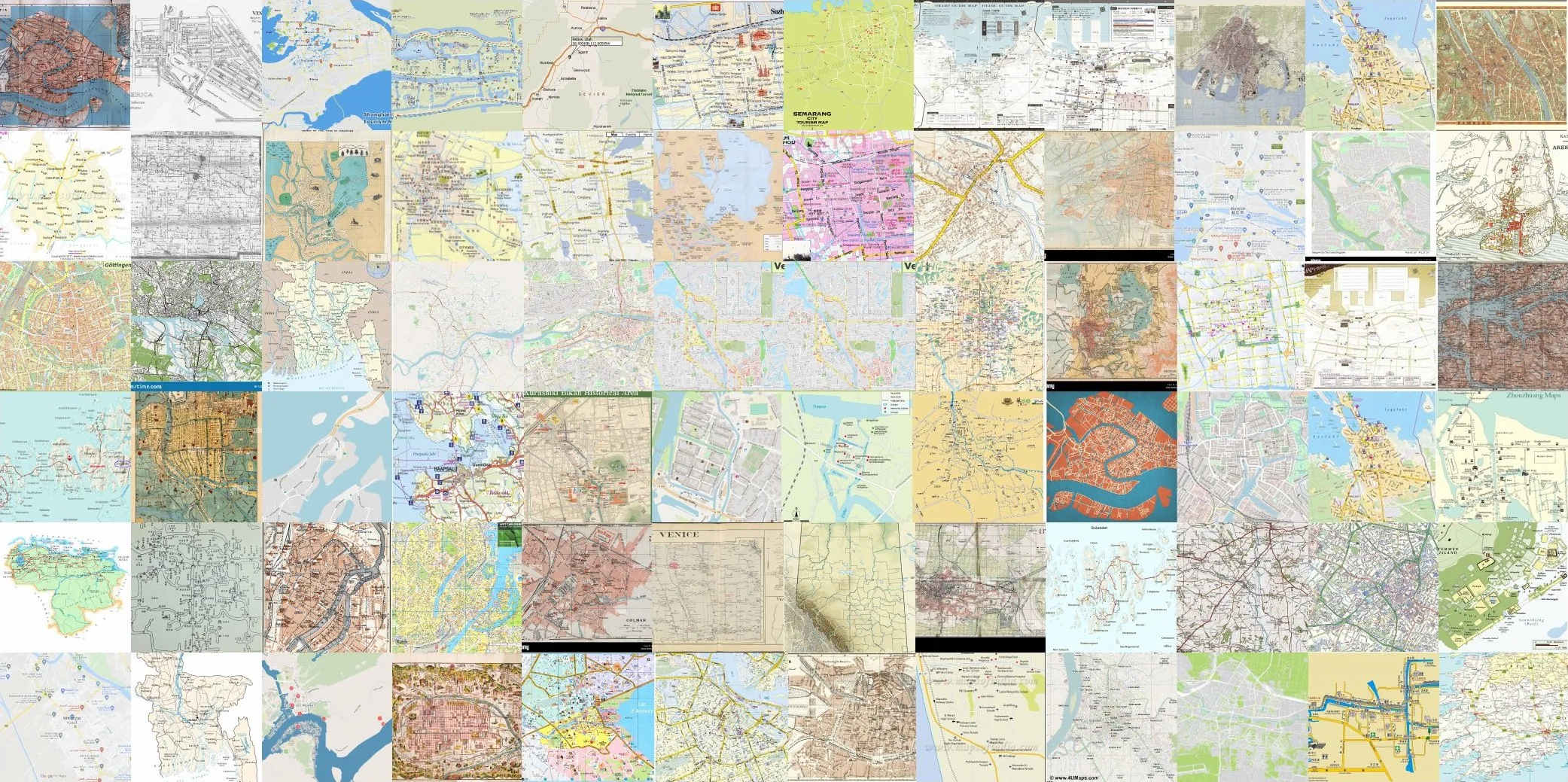
The evidence of this longing is written across the map. Dozens of places bear the name Venice, from California and Louisiana to Alberta; dozens more have been called the Venice of their region, from Amsterdam to Suzhou, Osaka and Kurashiki. Each is a partial reconstruction, a canal, a bridge, a reflection on water, through which the original is not repeated but remembered.
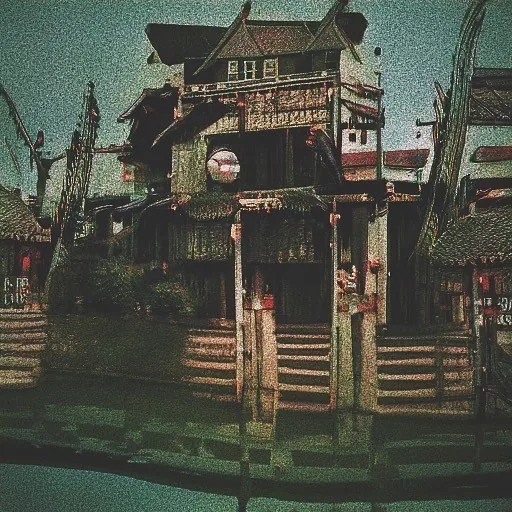
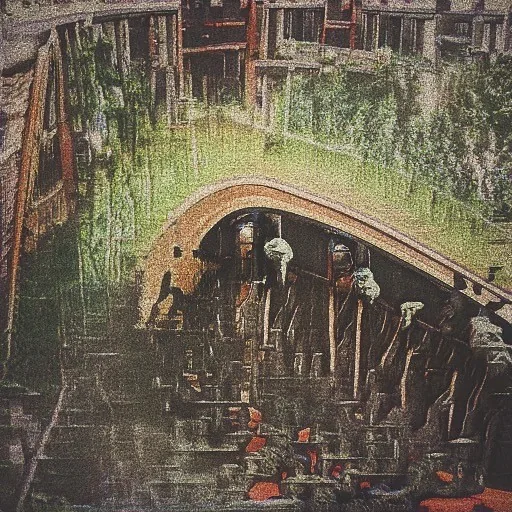
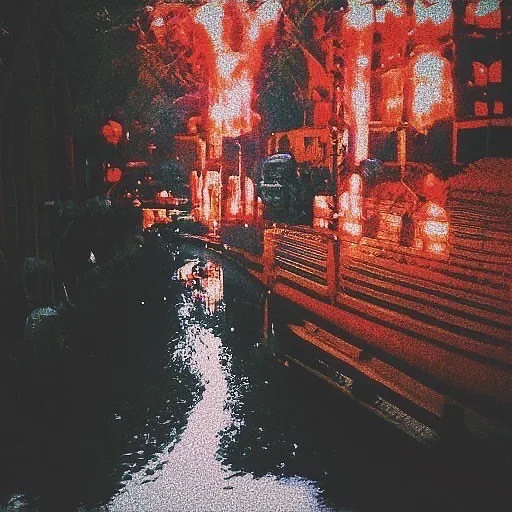
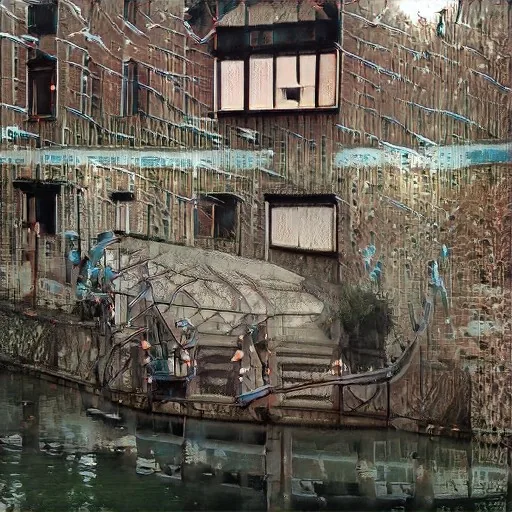
Gathering photographs and maps of these other Venices into a single dataset, the project trained a StyleGAN to learn what they hold in common. The model’s latent space becomes a city of memory: a Venice that exists nowhere and everywhere at once, composed of every attempt to return to it. Travelling through its seeds, the final video wanders through this ideal city, never complete, always on the verge of becoming another.
Other Venices


Latent space