Polis Nima
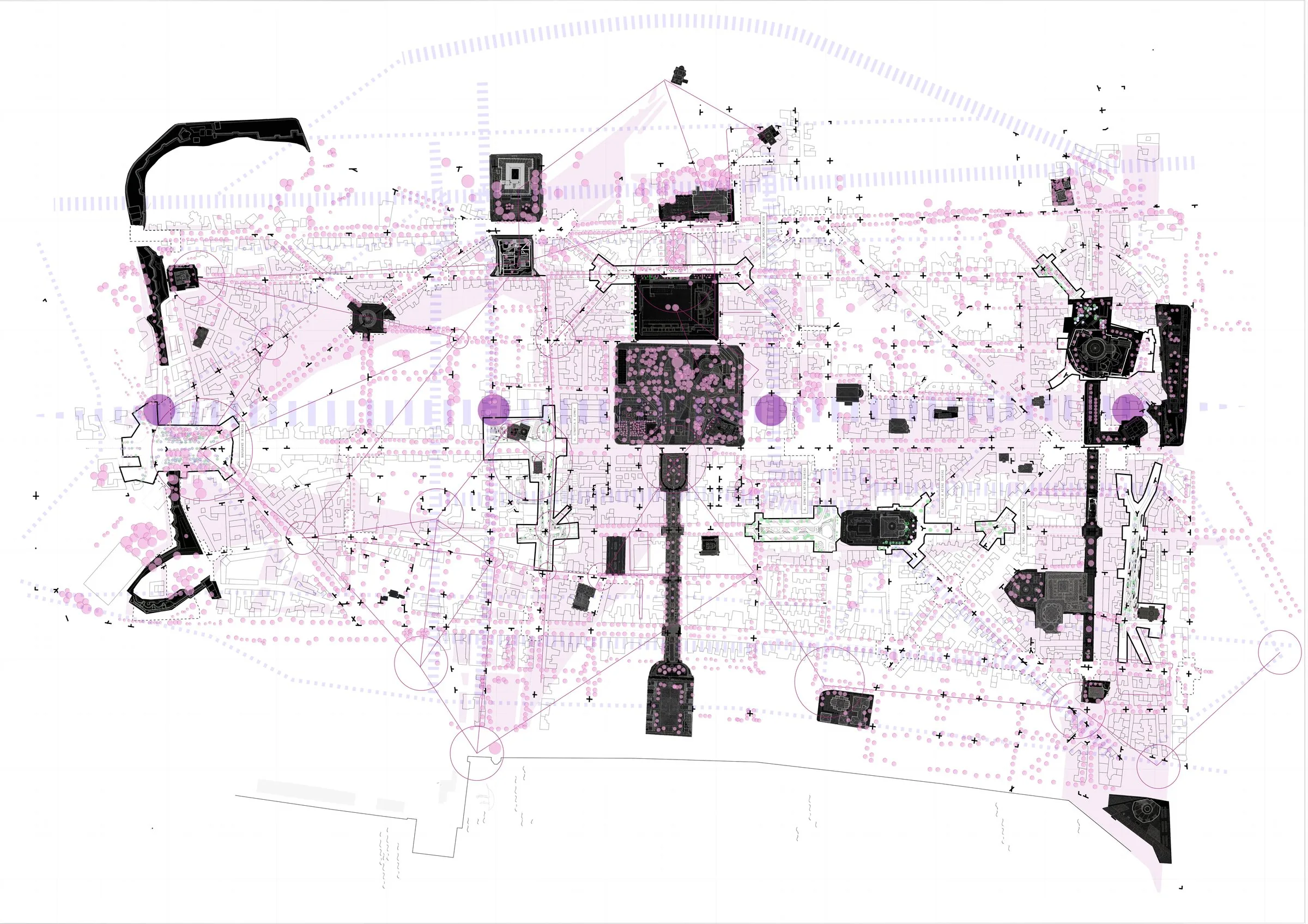
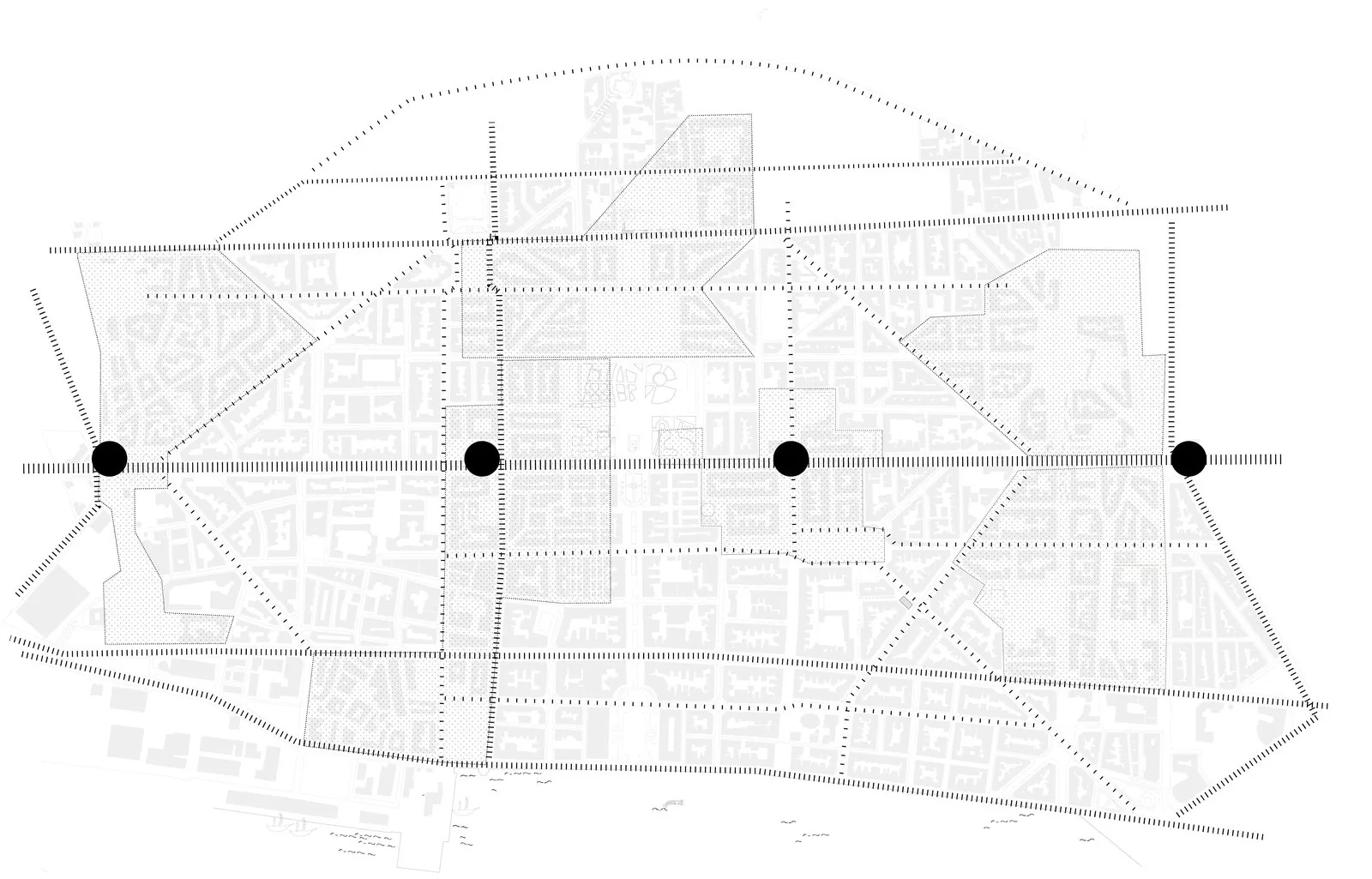
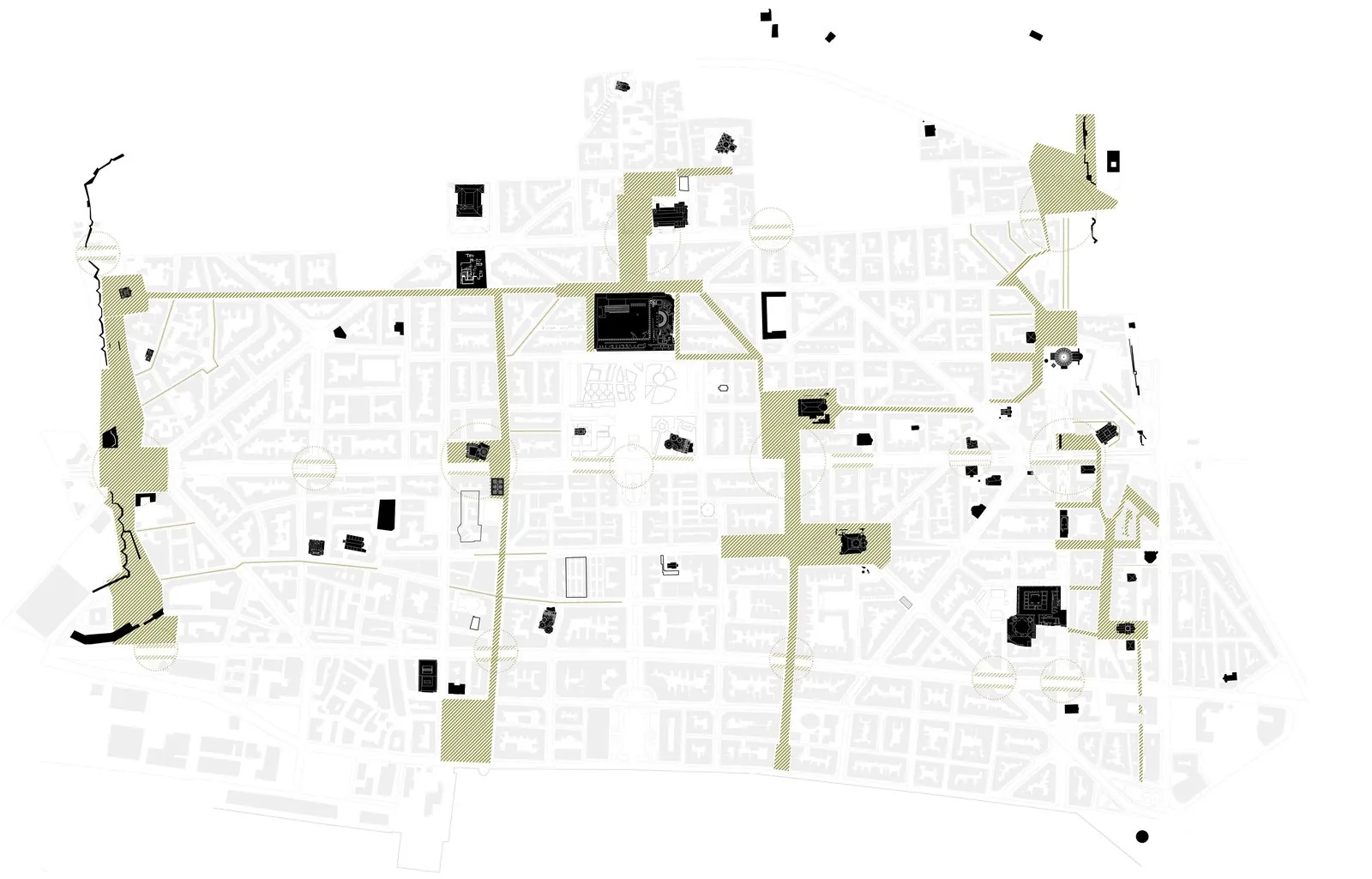
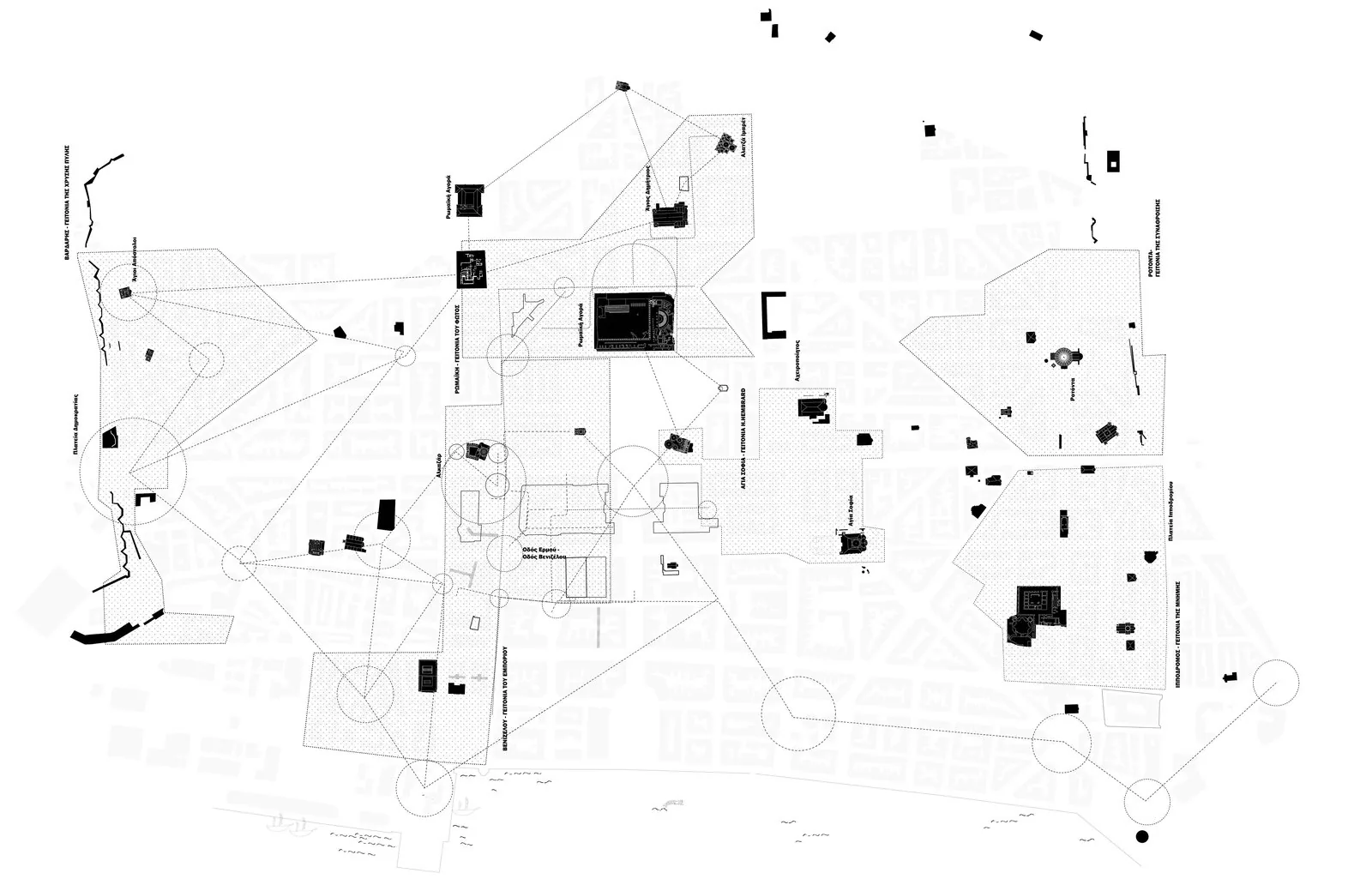
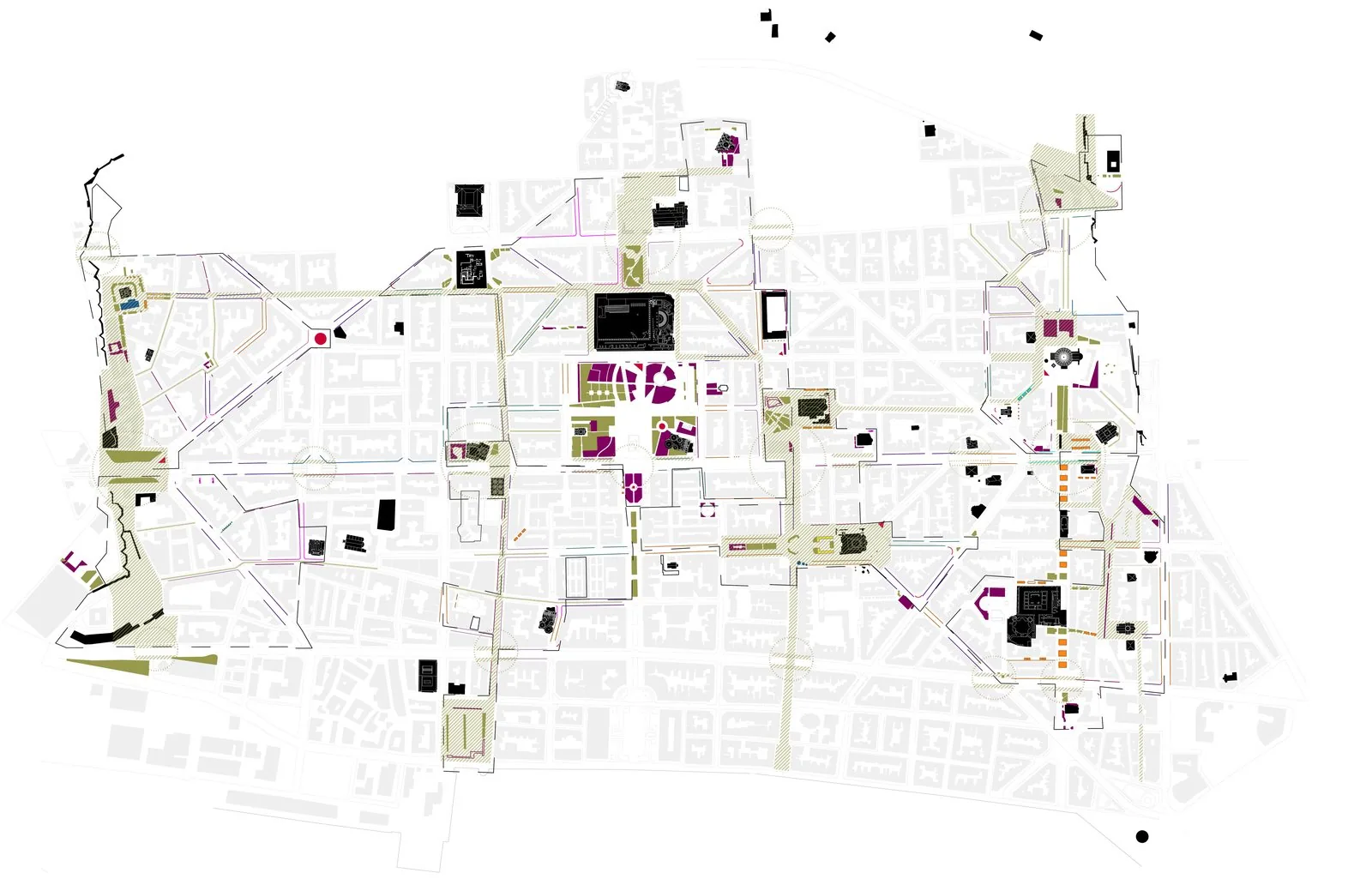
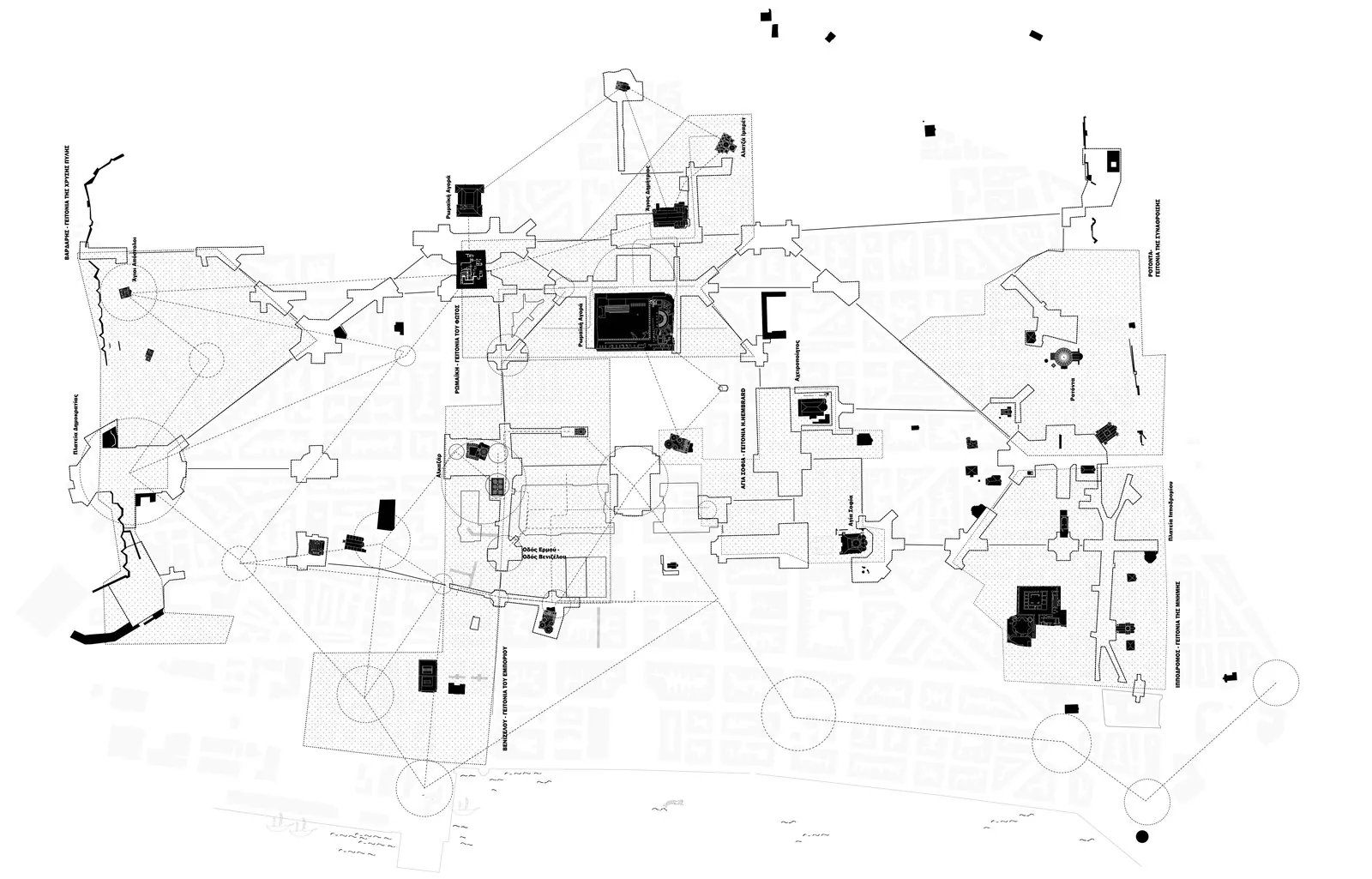
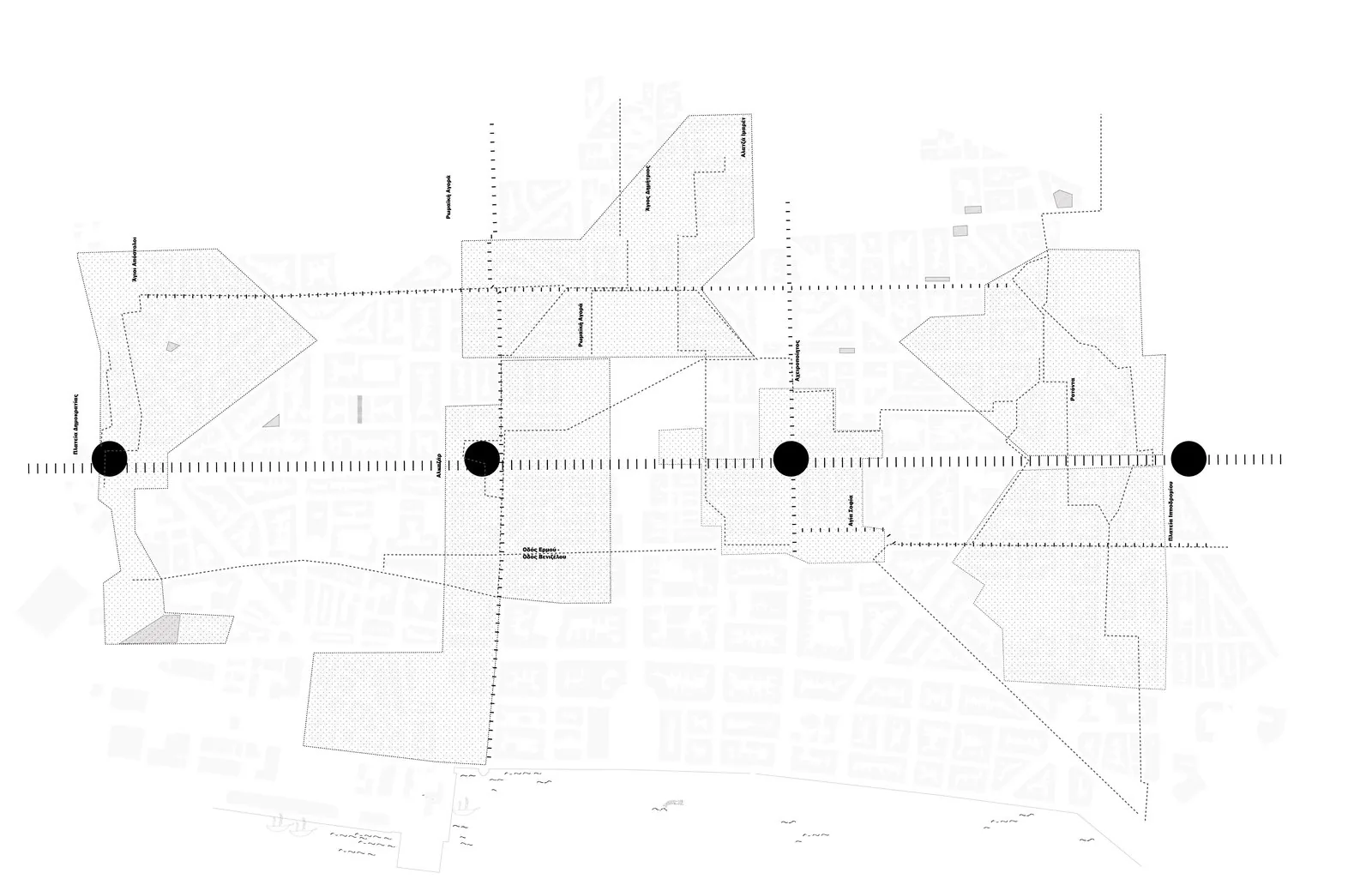
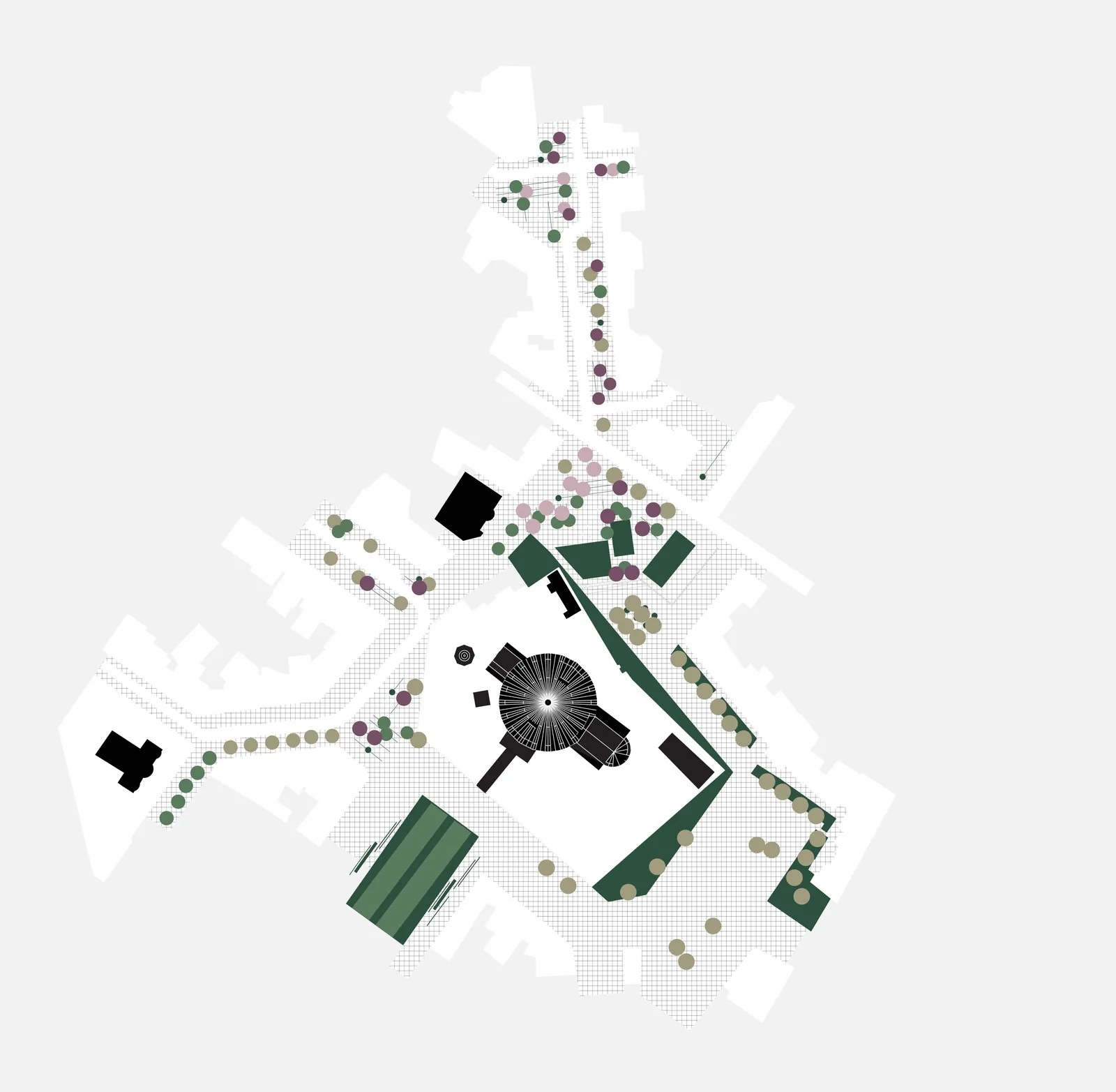
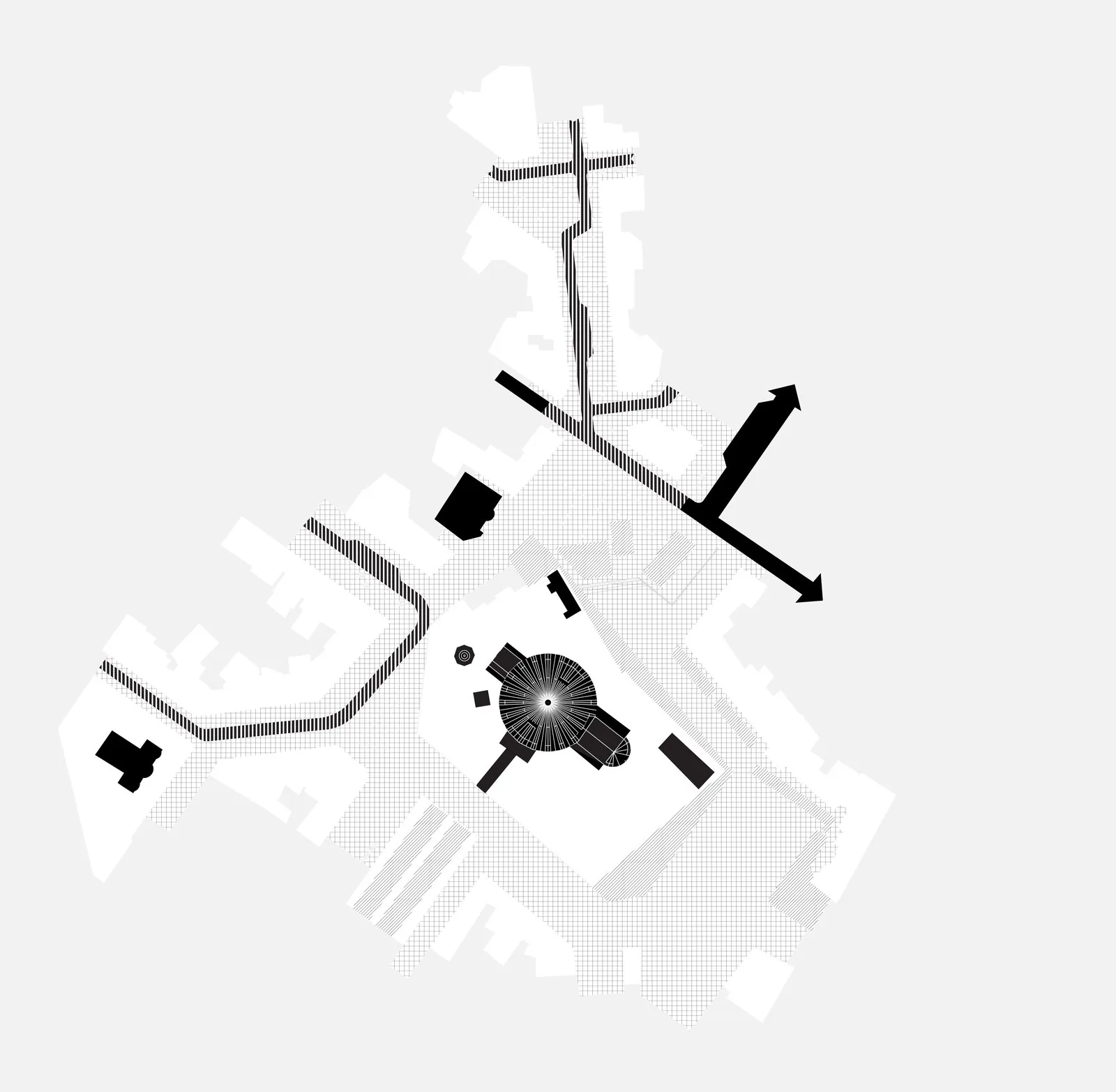
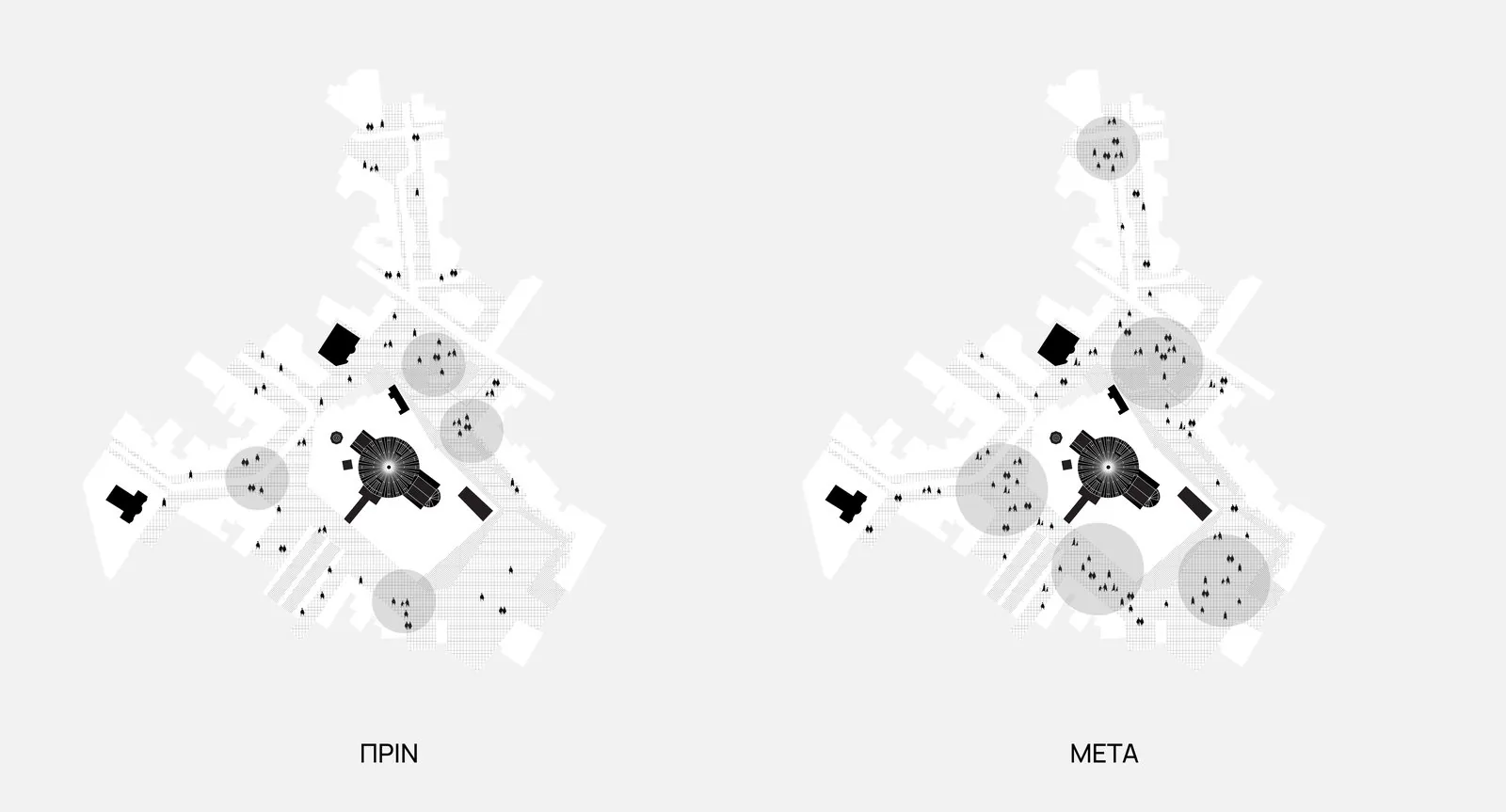
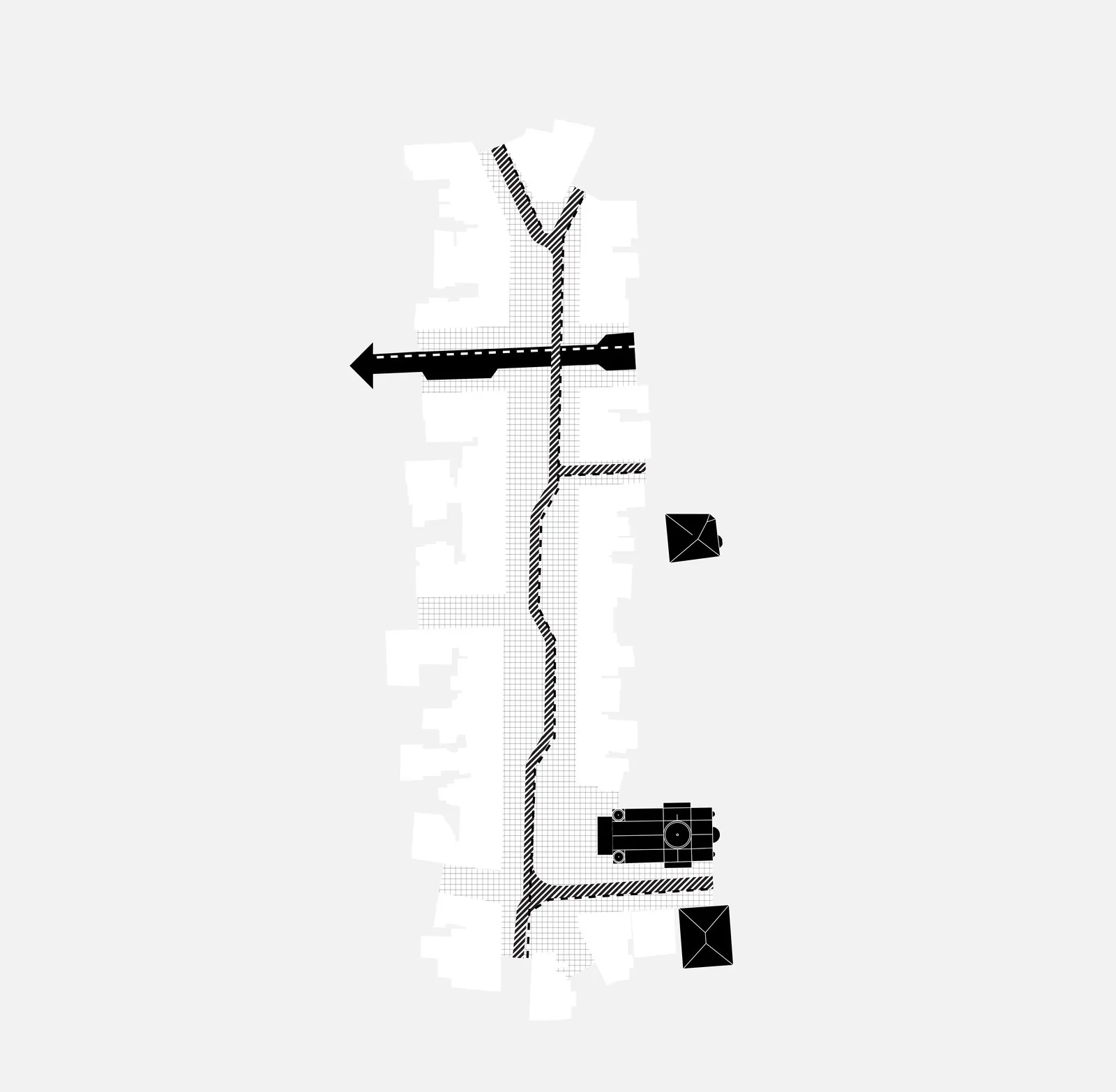
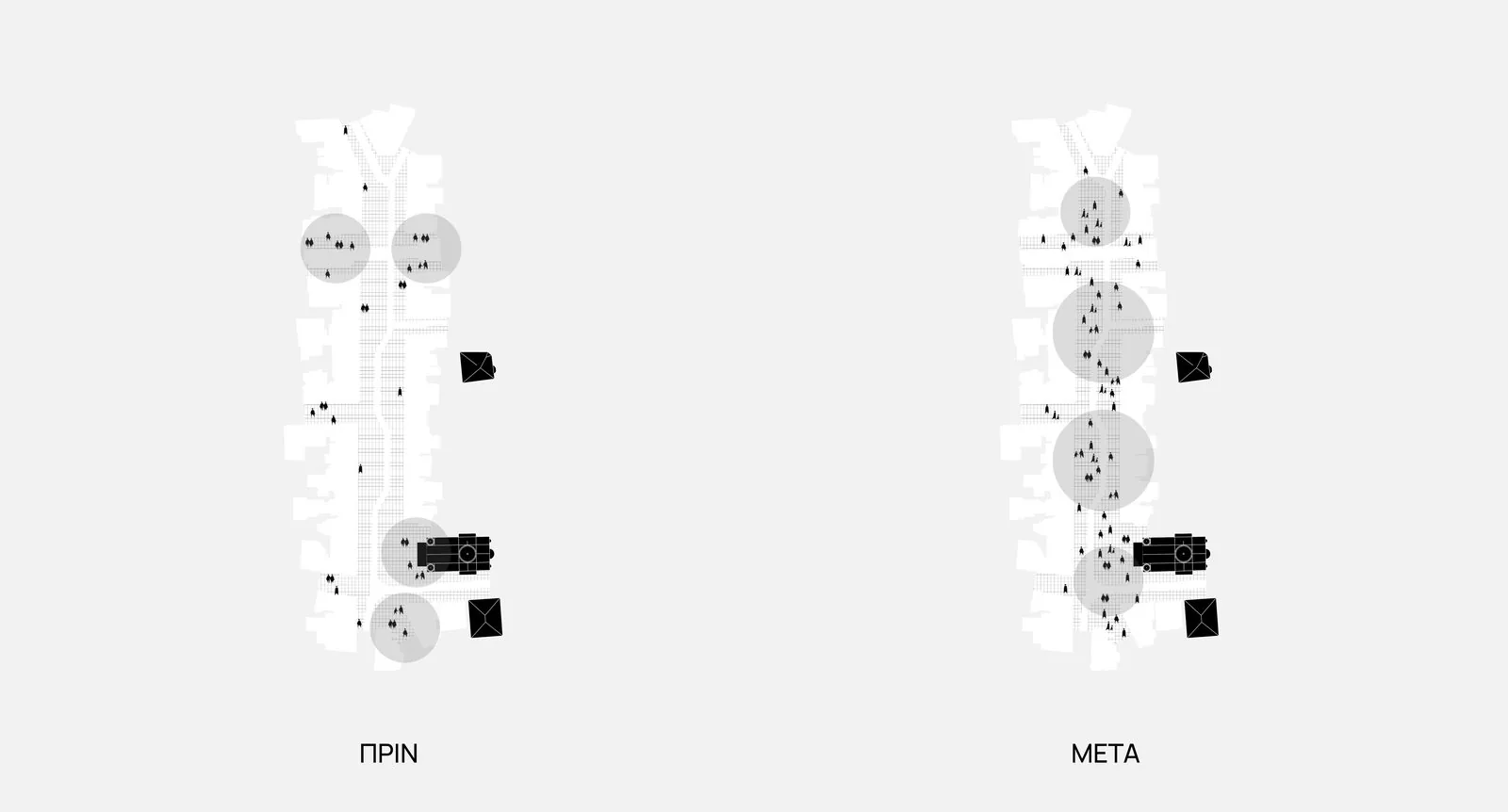
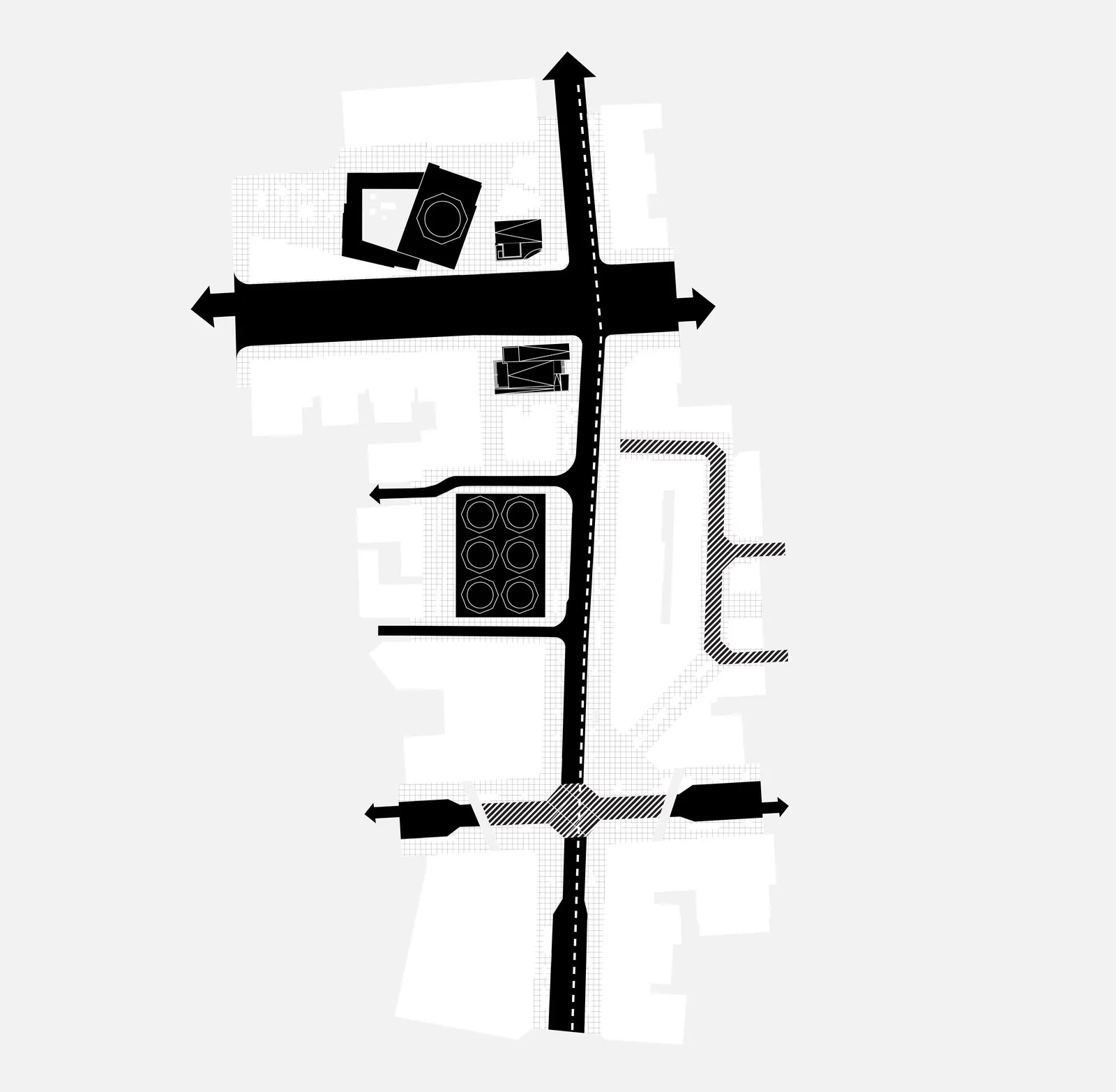
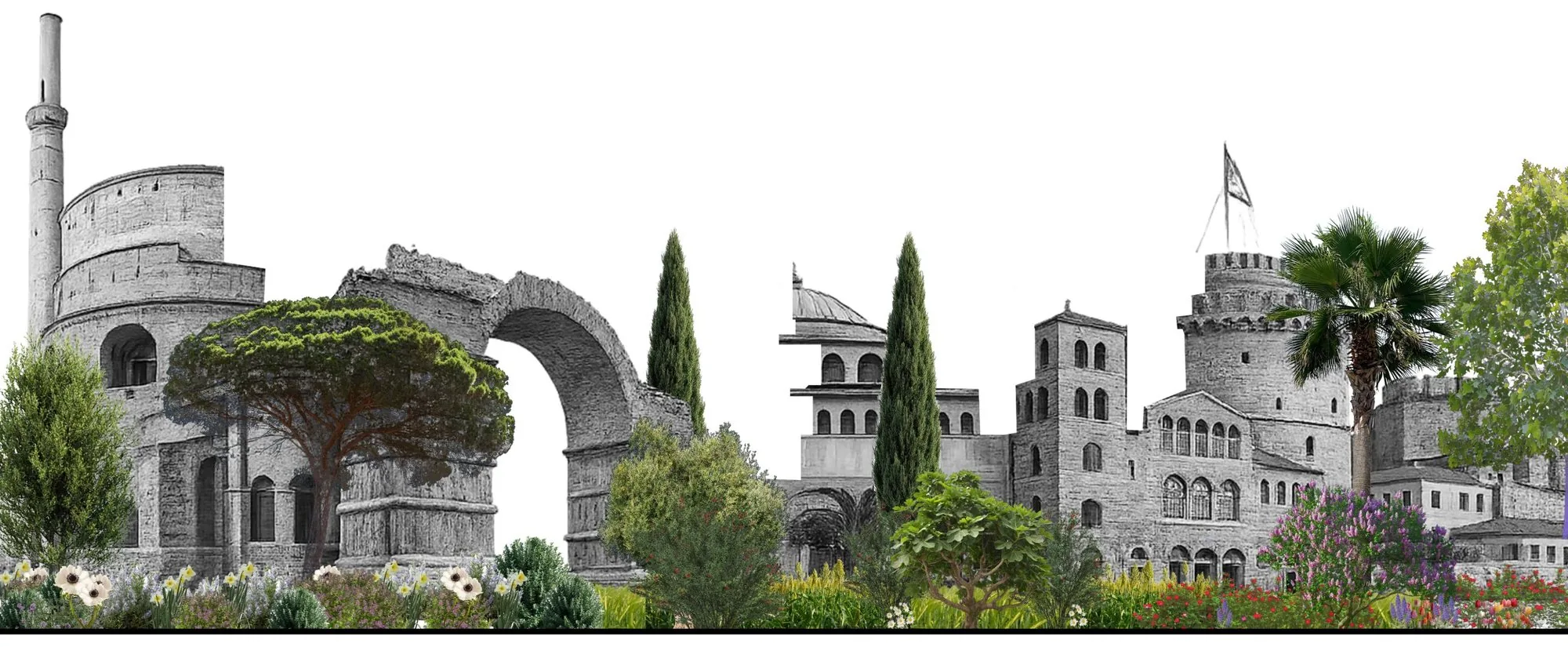
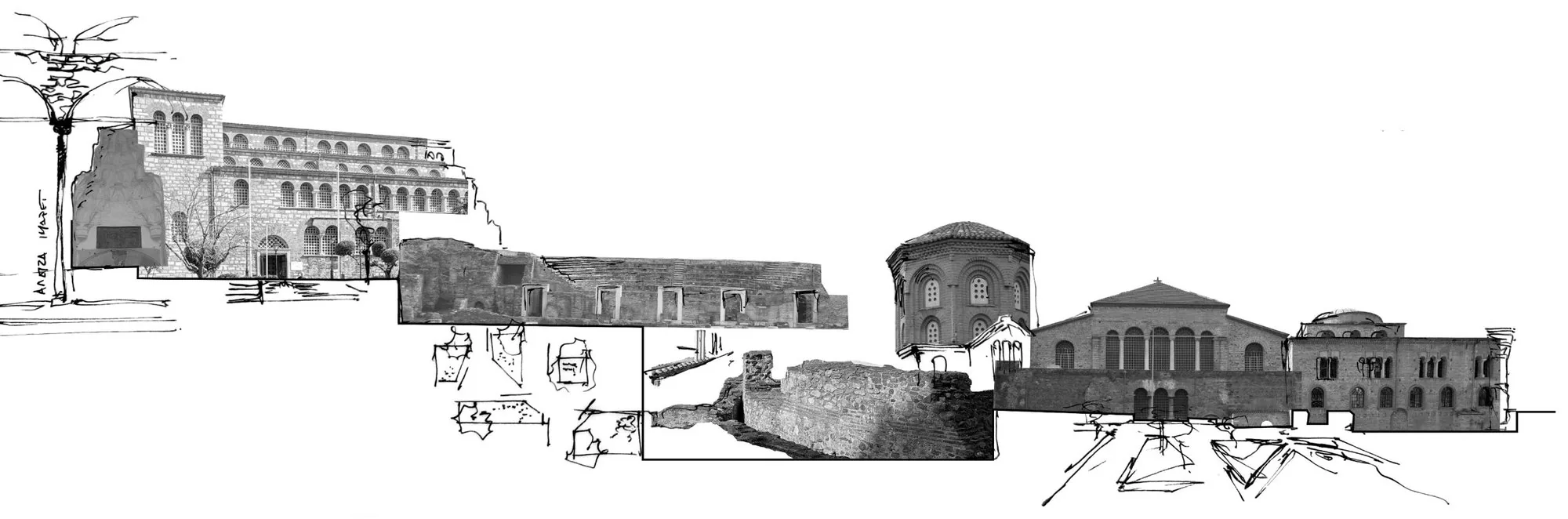
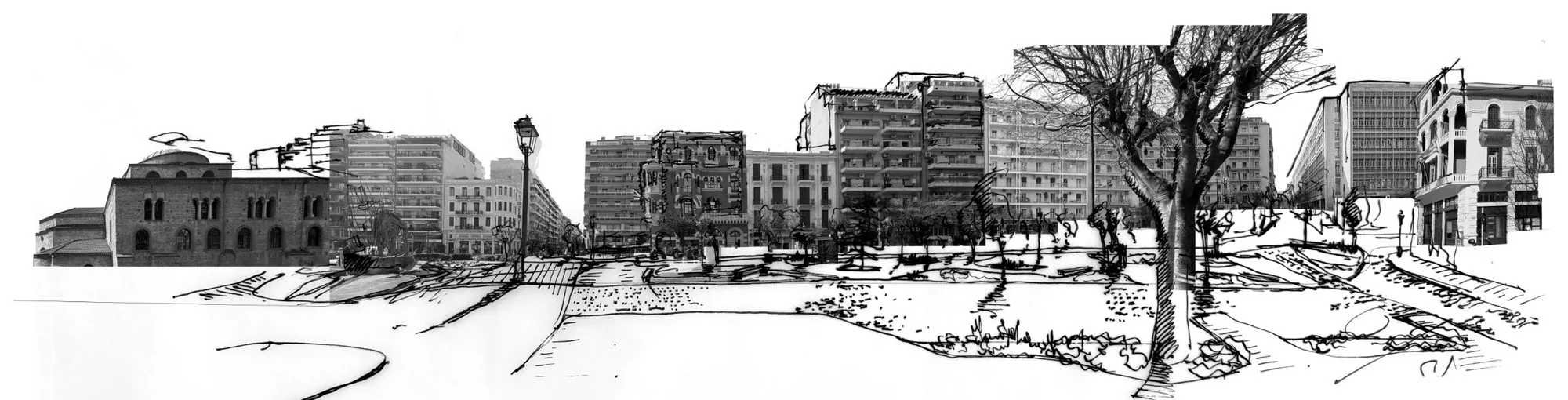
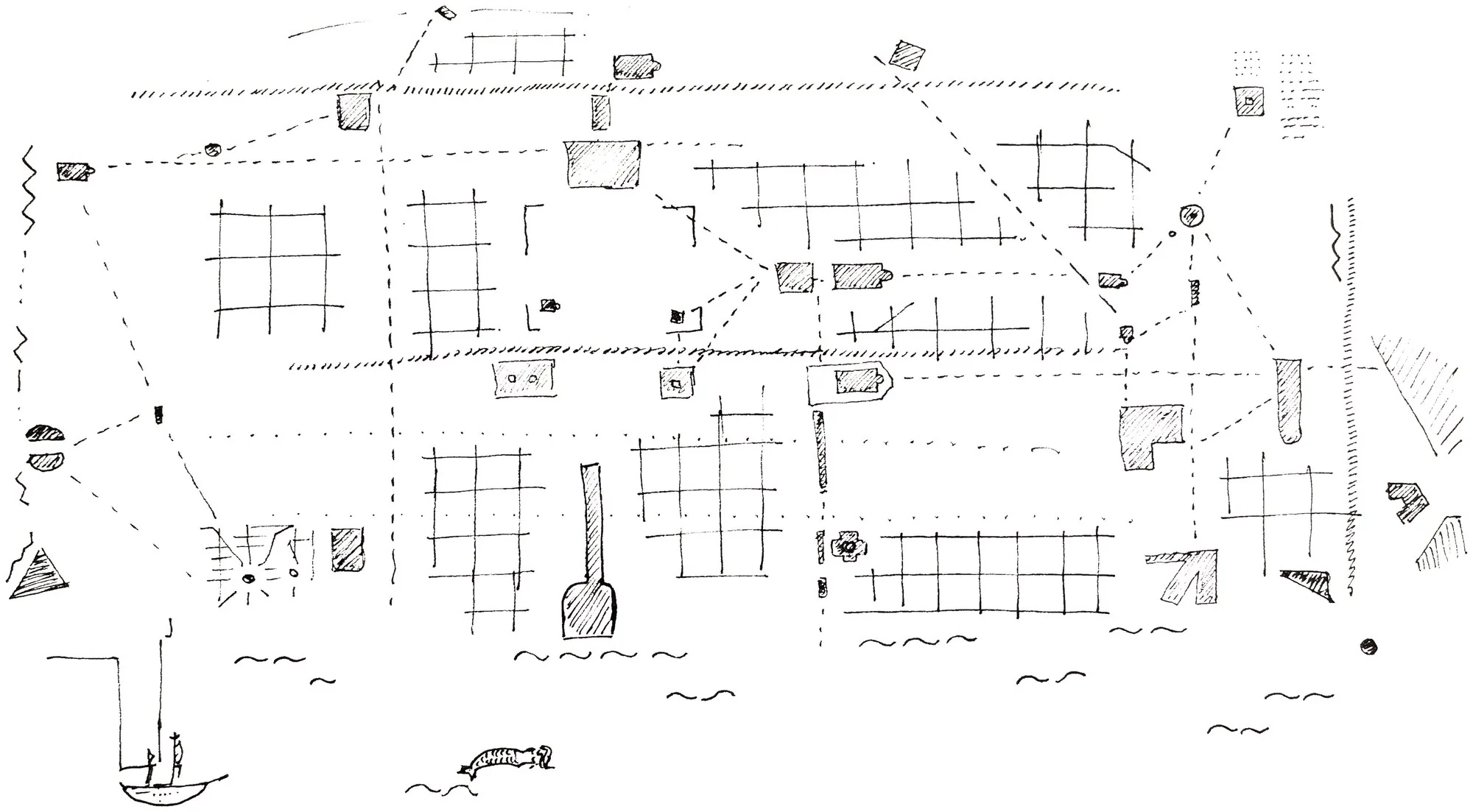
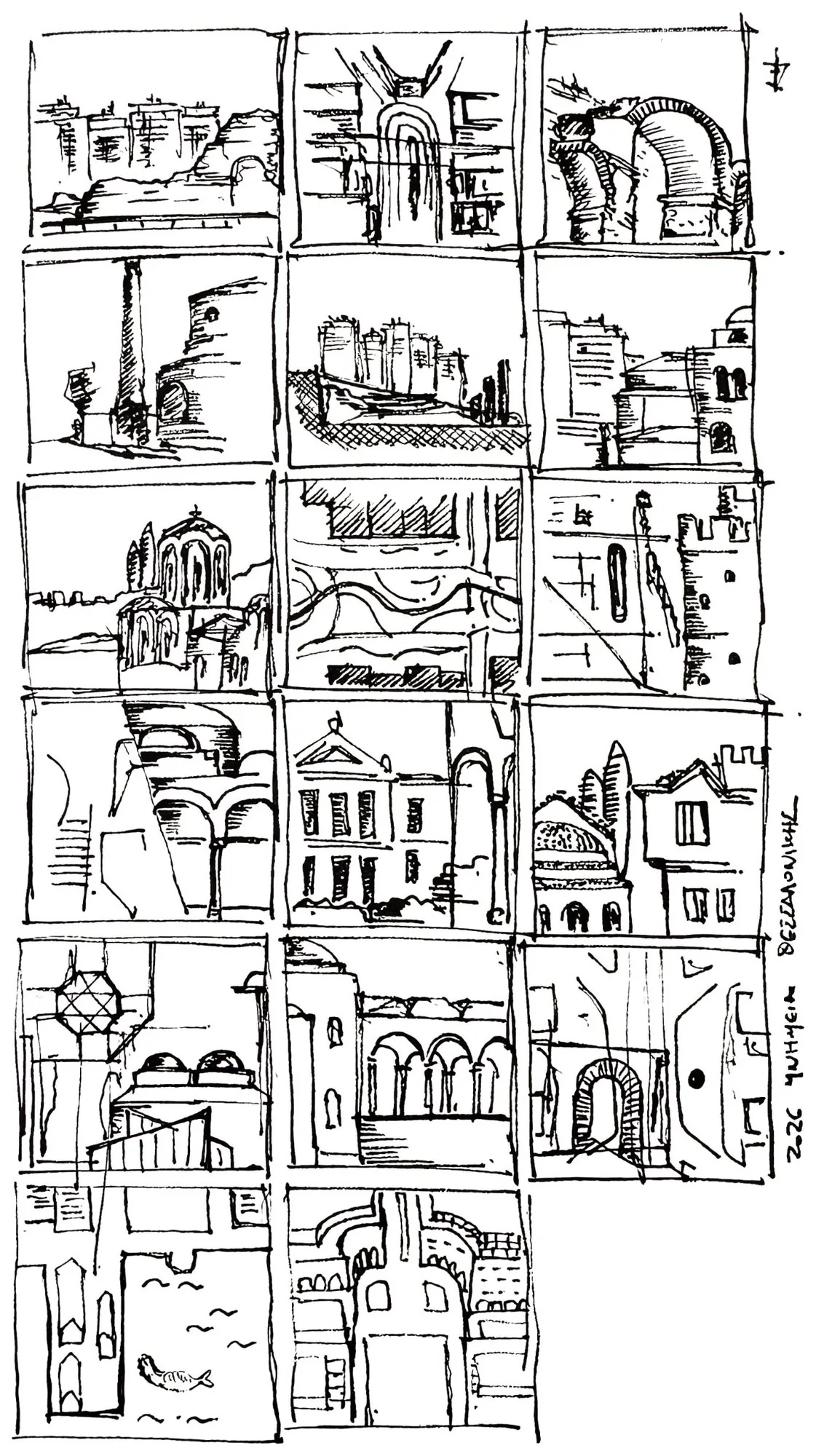
The study aims to create a new narrative for the historic centre of the city and its monuments, through a unified architectural, urban and transport reading of the city. The continuity of the urban fabric turns the fragments of history that Thessaloniki carries, scattered inside and outside its historic centre, into living parts of its residents’ everyday life. The study reads the qualities of the small neighbourhoods of the historic centre, the daily life of their residents and the collective memory held in the monuments, and proposes small-scale architectural and transport interventions as parts of a wider transformation of the city centre. In the end it creates a new “thread” of urban spaces and monuments that improves everyday life for residents and visitors in the historic centre, while keeping the city’s many-layered character alive.
So let us travel, in our minds, to the near future, and follow a resident of Thessaloniki through their own account, as they move through the new public spaces proposed by the study.
Friday, 10 April 2028.
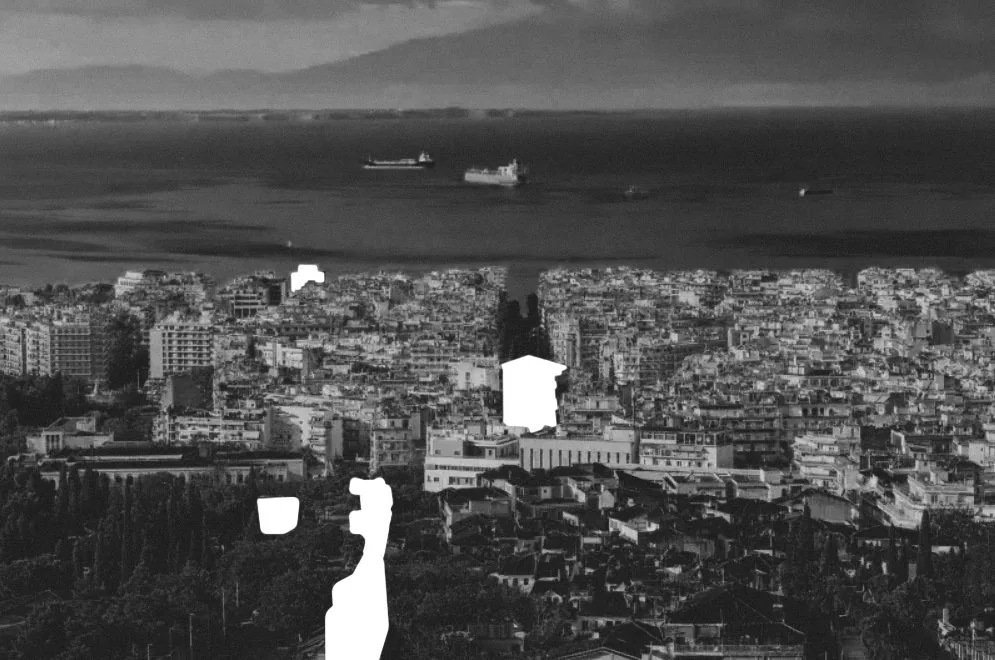
“The golden-red light of the sun touches the rooftops of the apartment blocks. In the distance the Thermaic Gulf has kept its deep blue, and on the horizon the snow-white peaks of Olympus catch the first rays. An early start, so I can be on time for my meetings in the centre. It’s a spring day, a chance to follow my doctor’s prescription and walk!
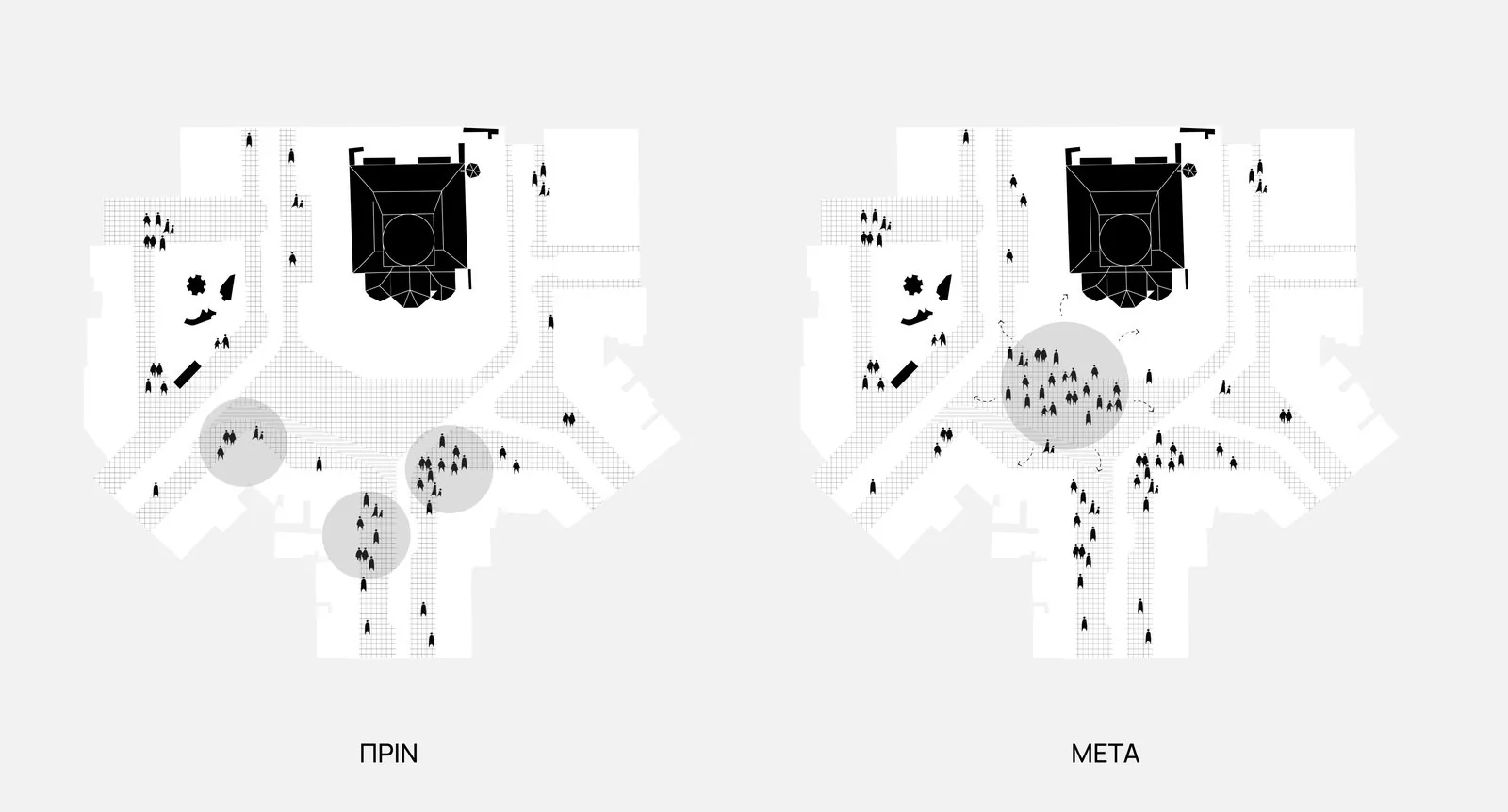
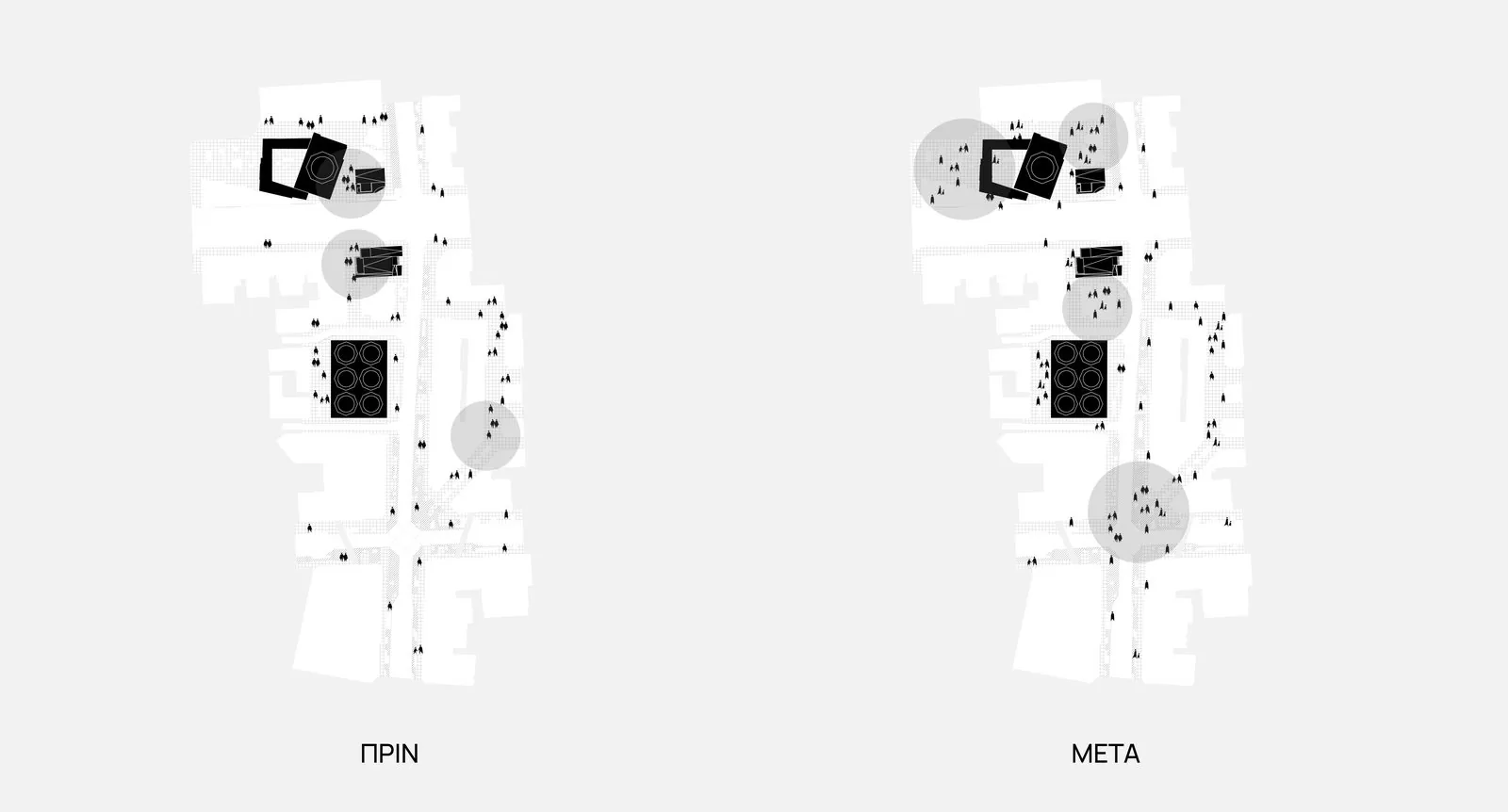
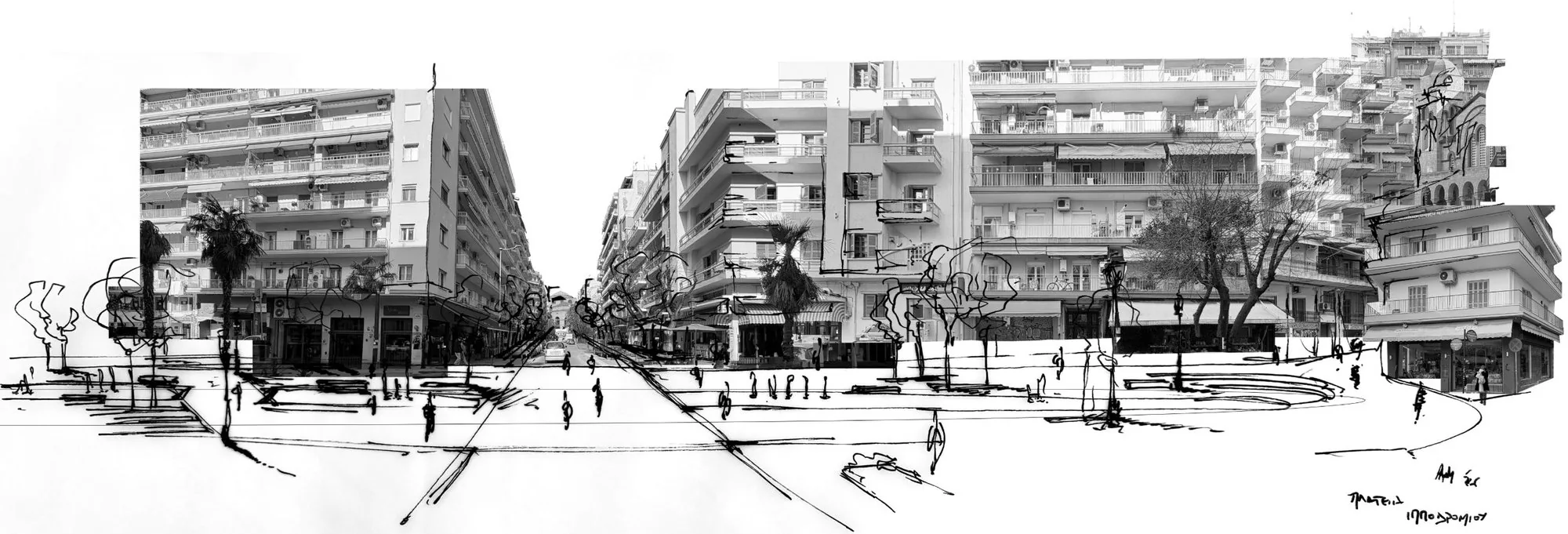
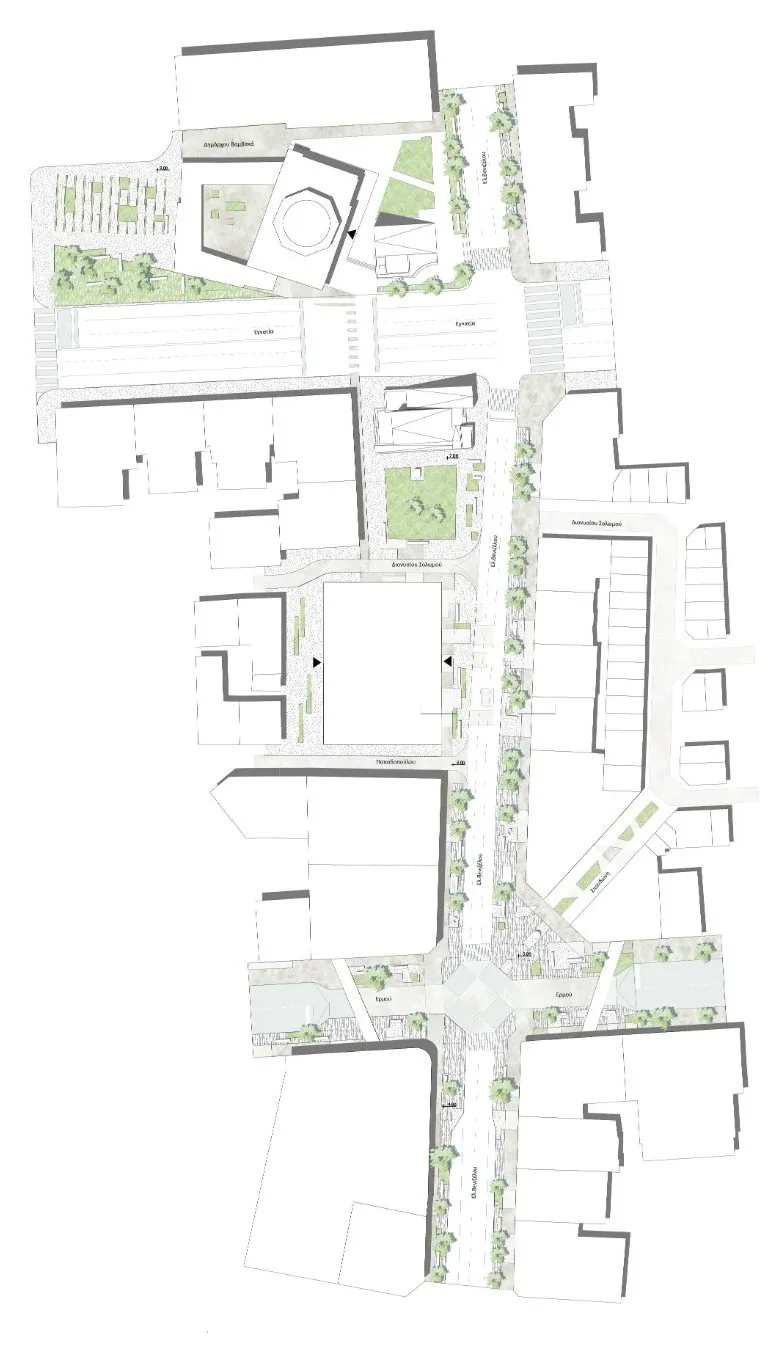
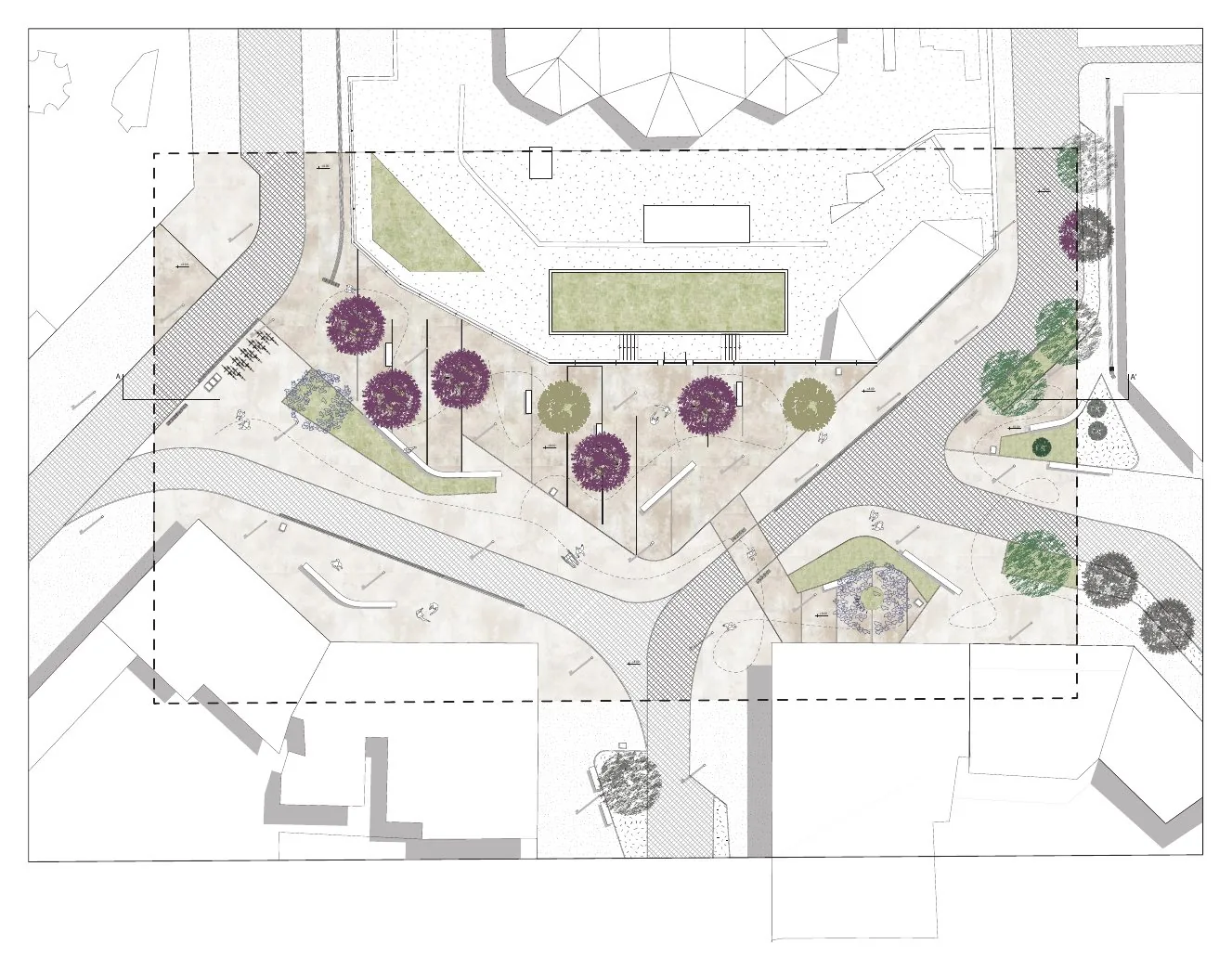
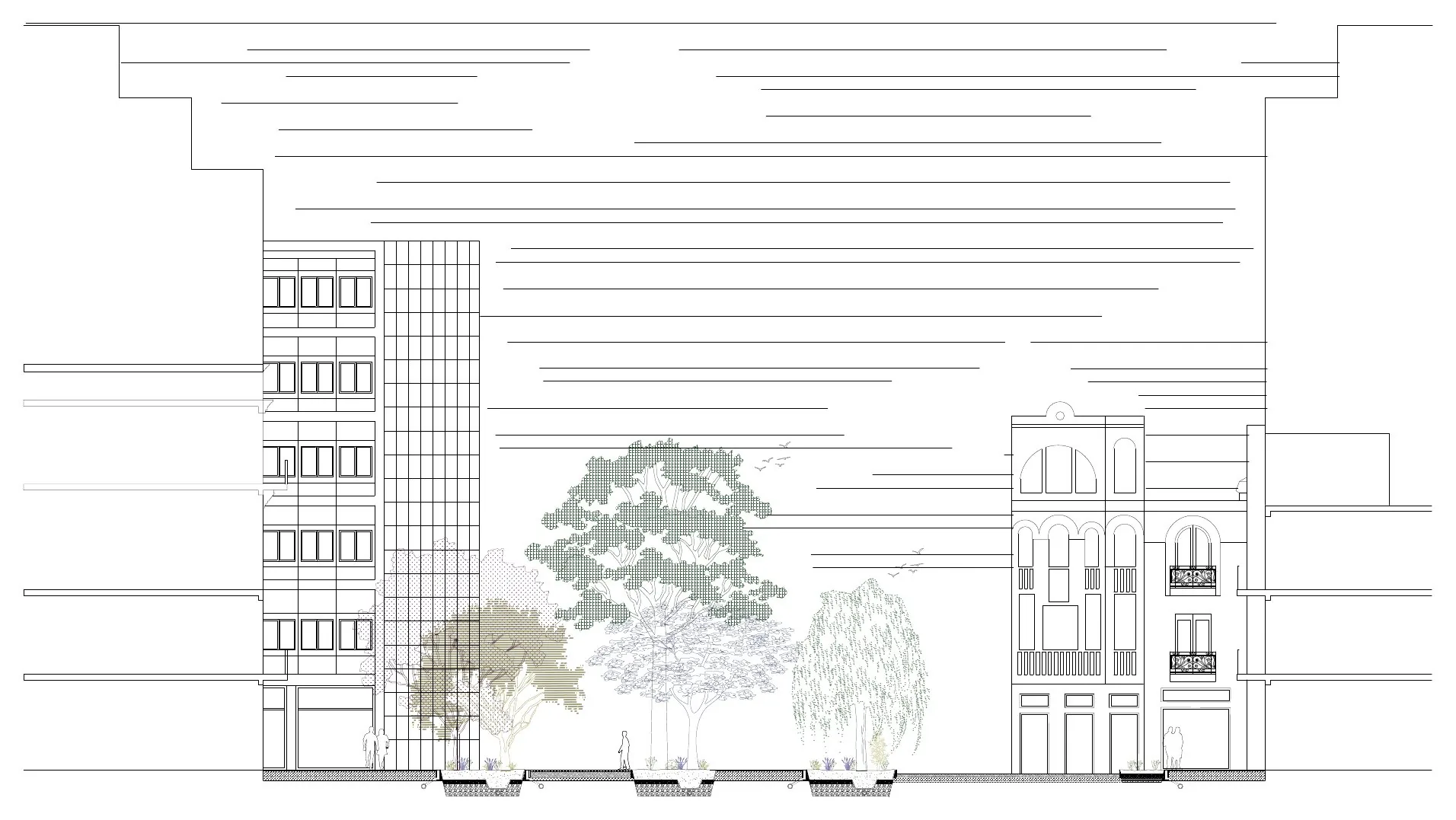
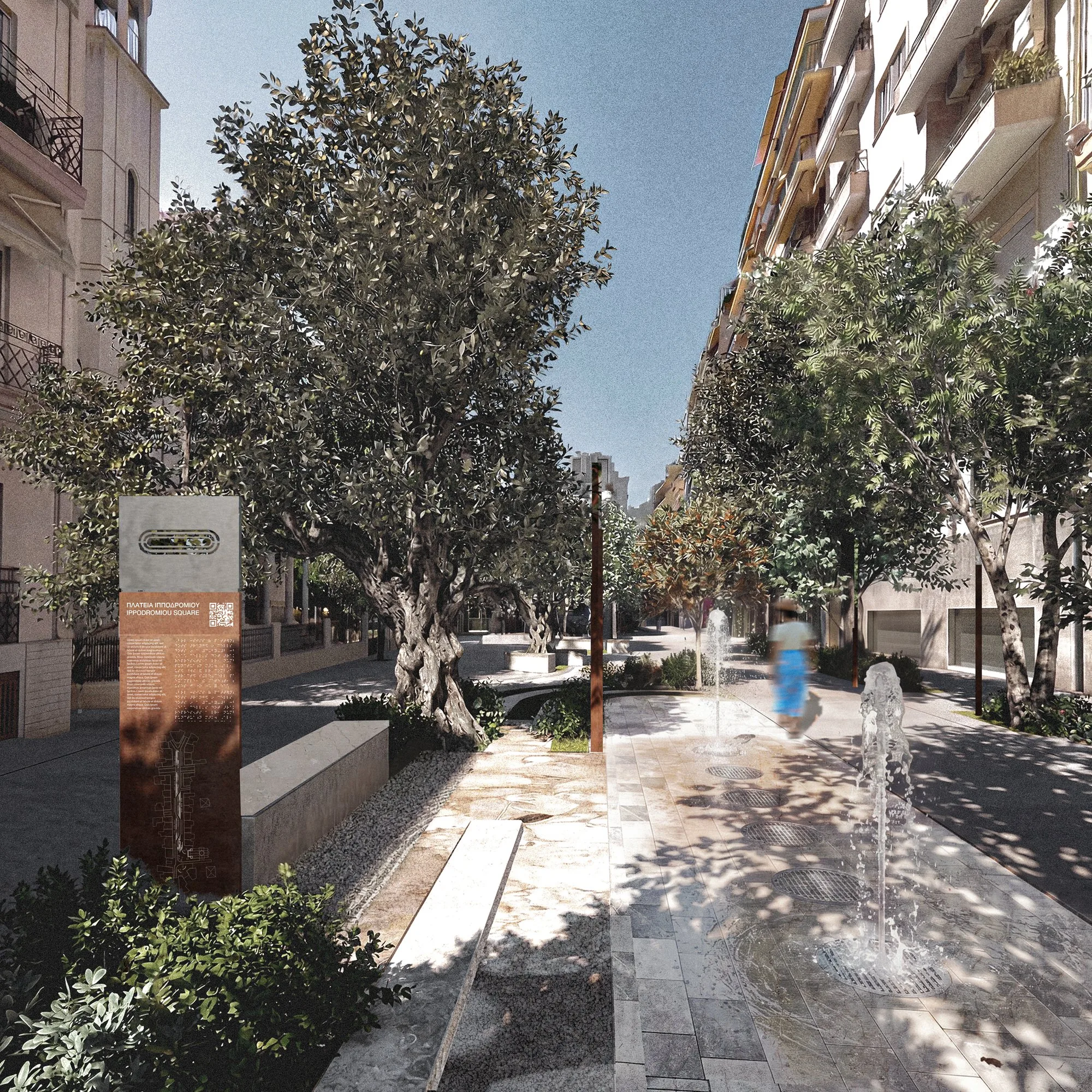
Starting from the olive-planted pavement of Angelaki, I turn into Svolou and soon reach a new square. On the site of the city’s ancient Hippodrome, and later of an awkward, narrow strip of tight streets, a traffic island and faceless buildings, the Municipality has made a square of its own. Cars still cross it, but pedestrians now come first. Plateia Ippodromiou used to be full of cars hunting for a parking space; now residents’ cars and deliveries move slowly, in a defined zone, giving way to people on foot. The new layout has changed the scene. Children run to school between the water jets, older people talk on the benches, a couple of tourists read about the history of the place on a well-designed sign. At the end of the square the Thessaloniki History Centre, fifty years after the earthquake, carries on its valuable work, now in the setting it deserves. I look with satisfaction at this unfamiliar picture and walk on.
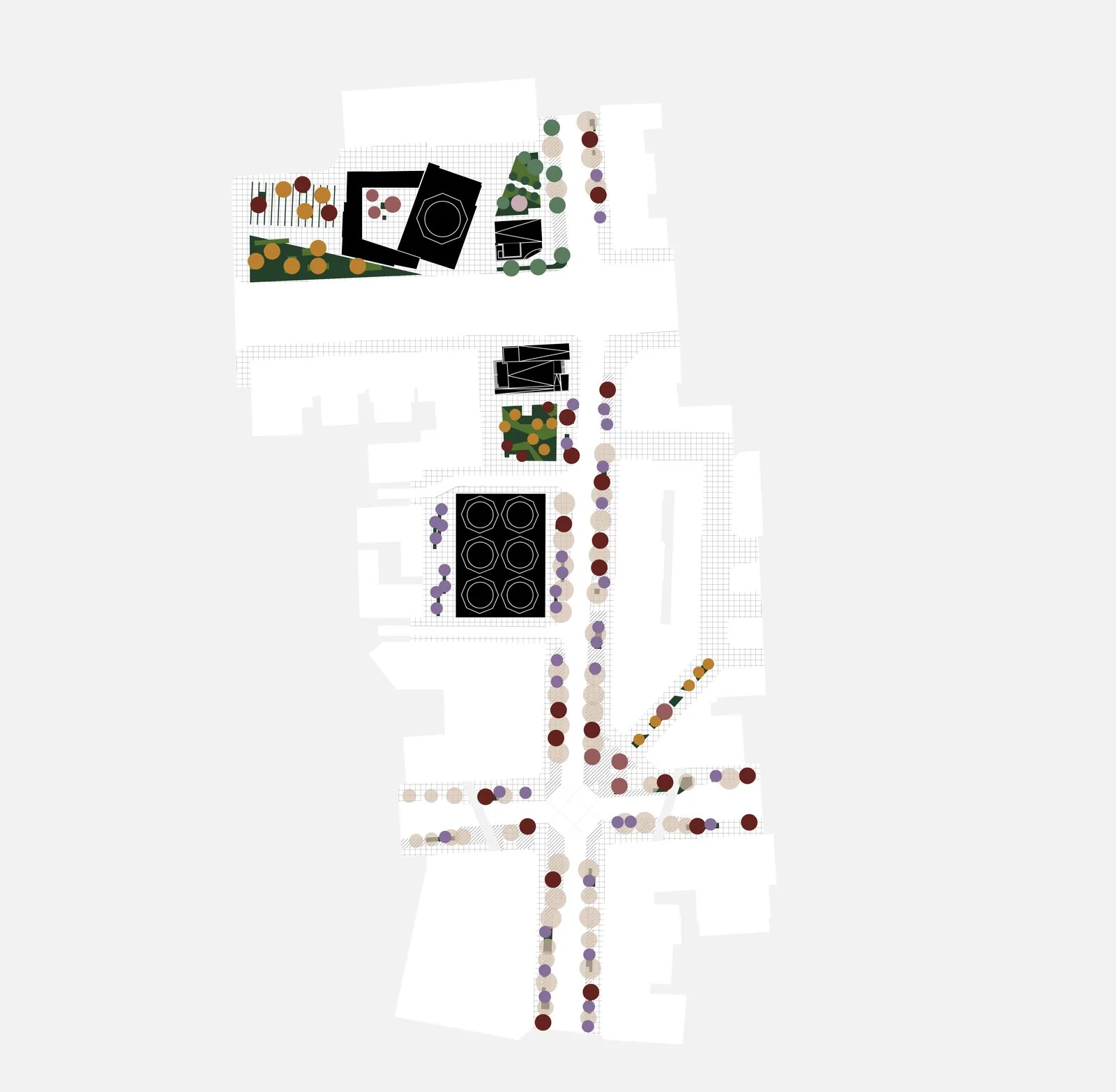
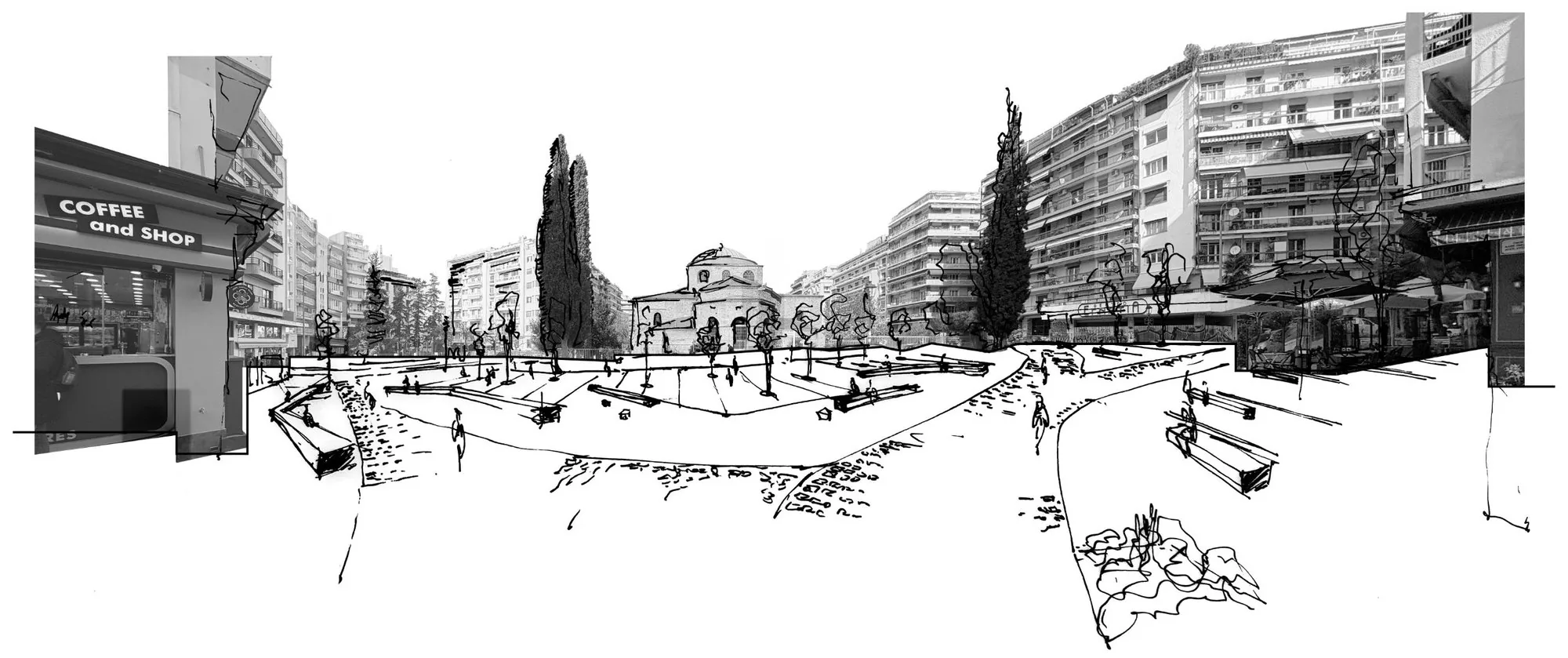
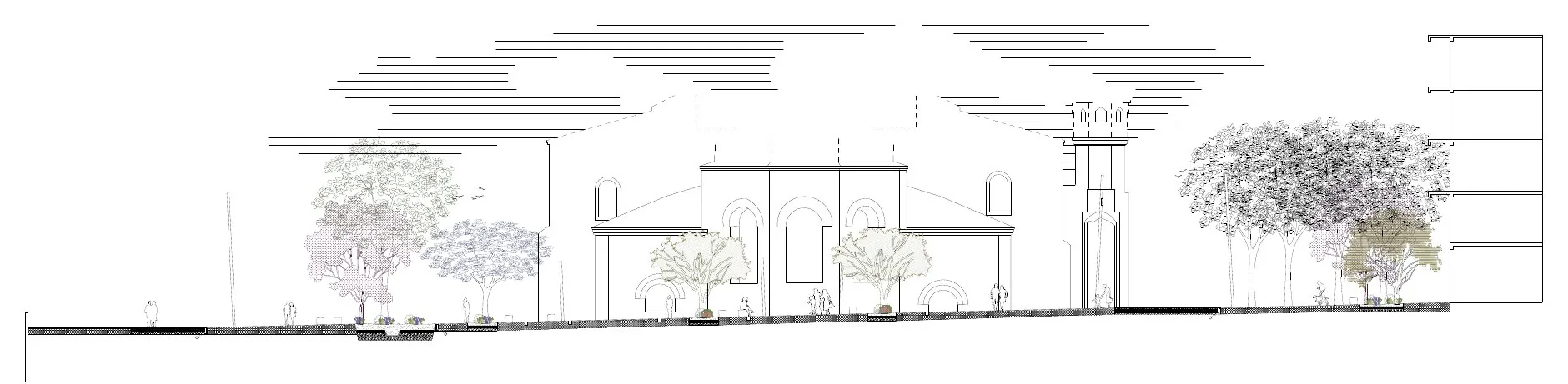
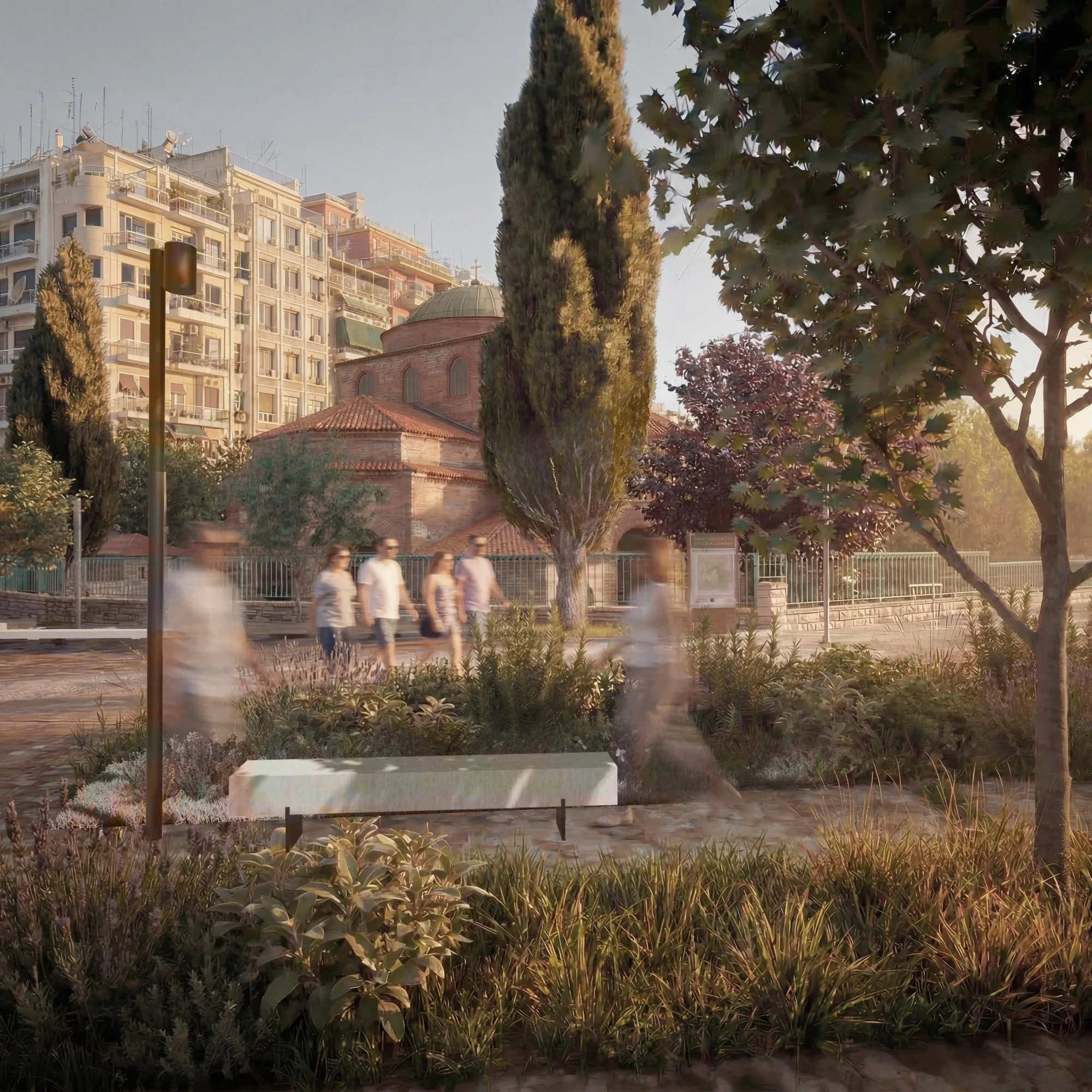
Crossing Svolou, I find myself behind the church of Agia Sofia, where another surprise waits. Where narrow, impassable streets and parked cars once left only a few metres of pavement, a small sloping square now stands, with round planters, flowering plum trees and ornate metal benches. Agia Sofia has become a beautiful backdrop to the city’s morning public life: passers-by hurry across towards the surrounding streets, a group of tourists is being guided in the middle of the square, young people meet on the benches. I smile and keep going.
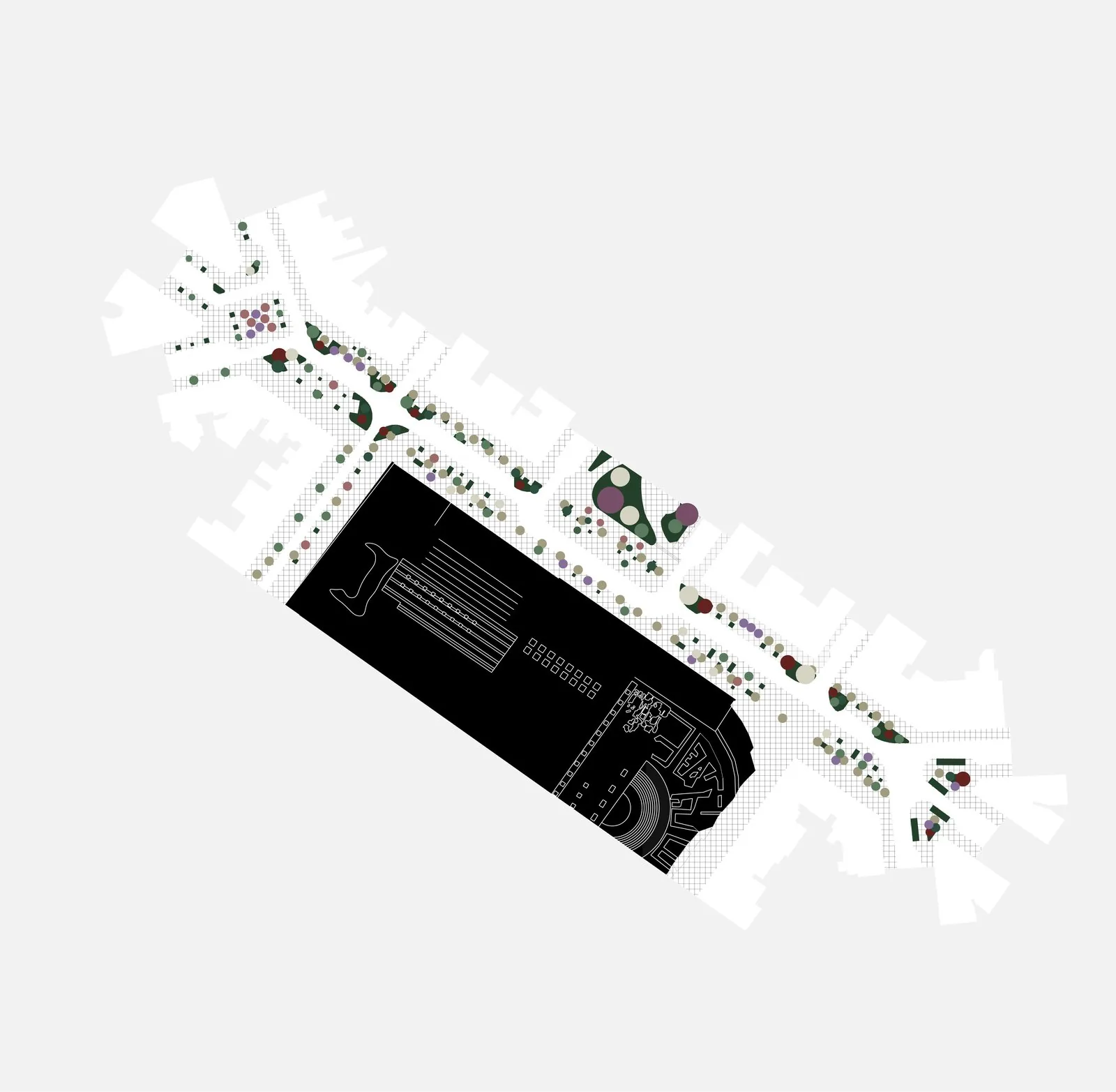
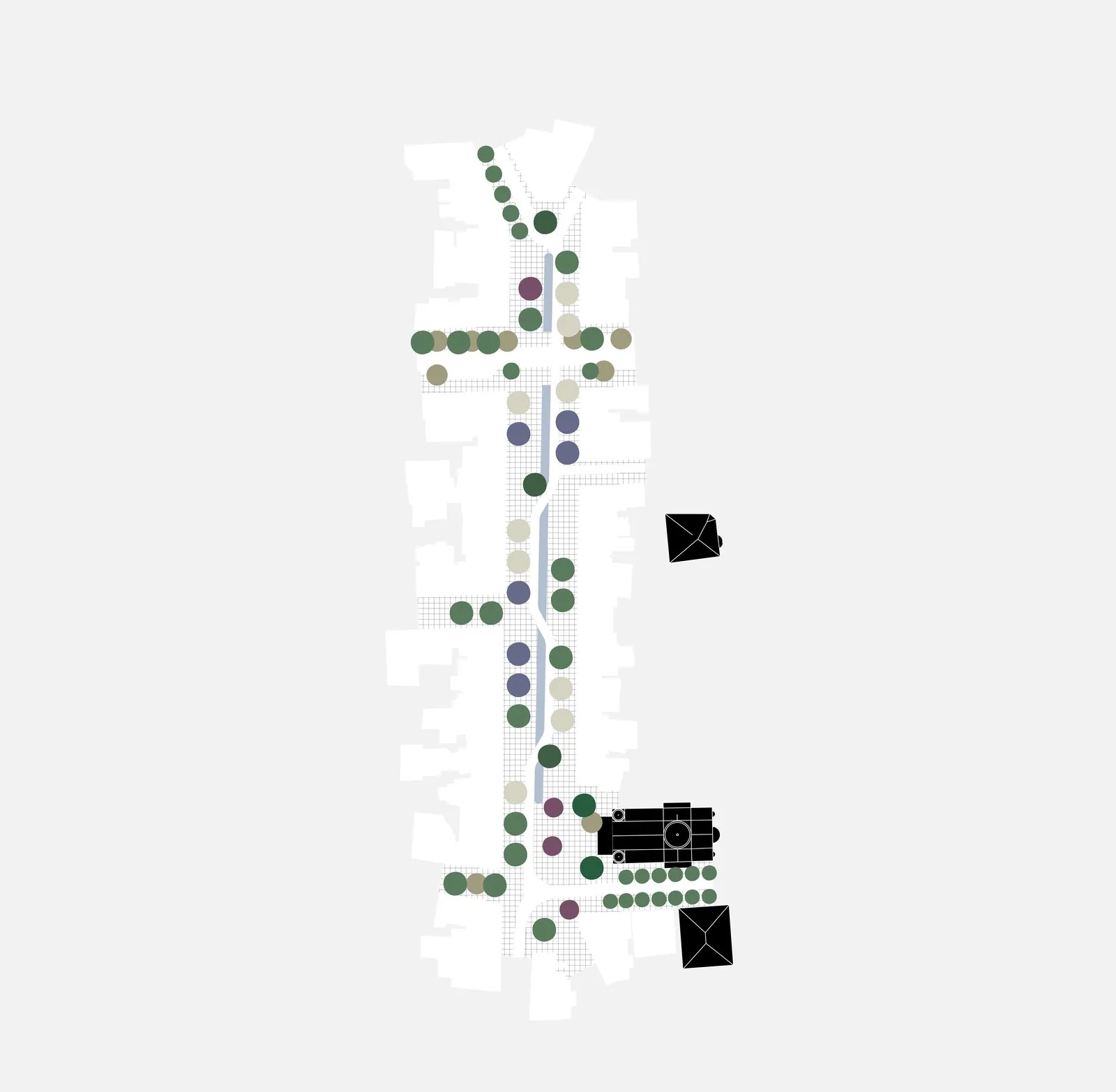
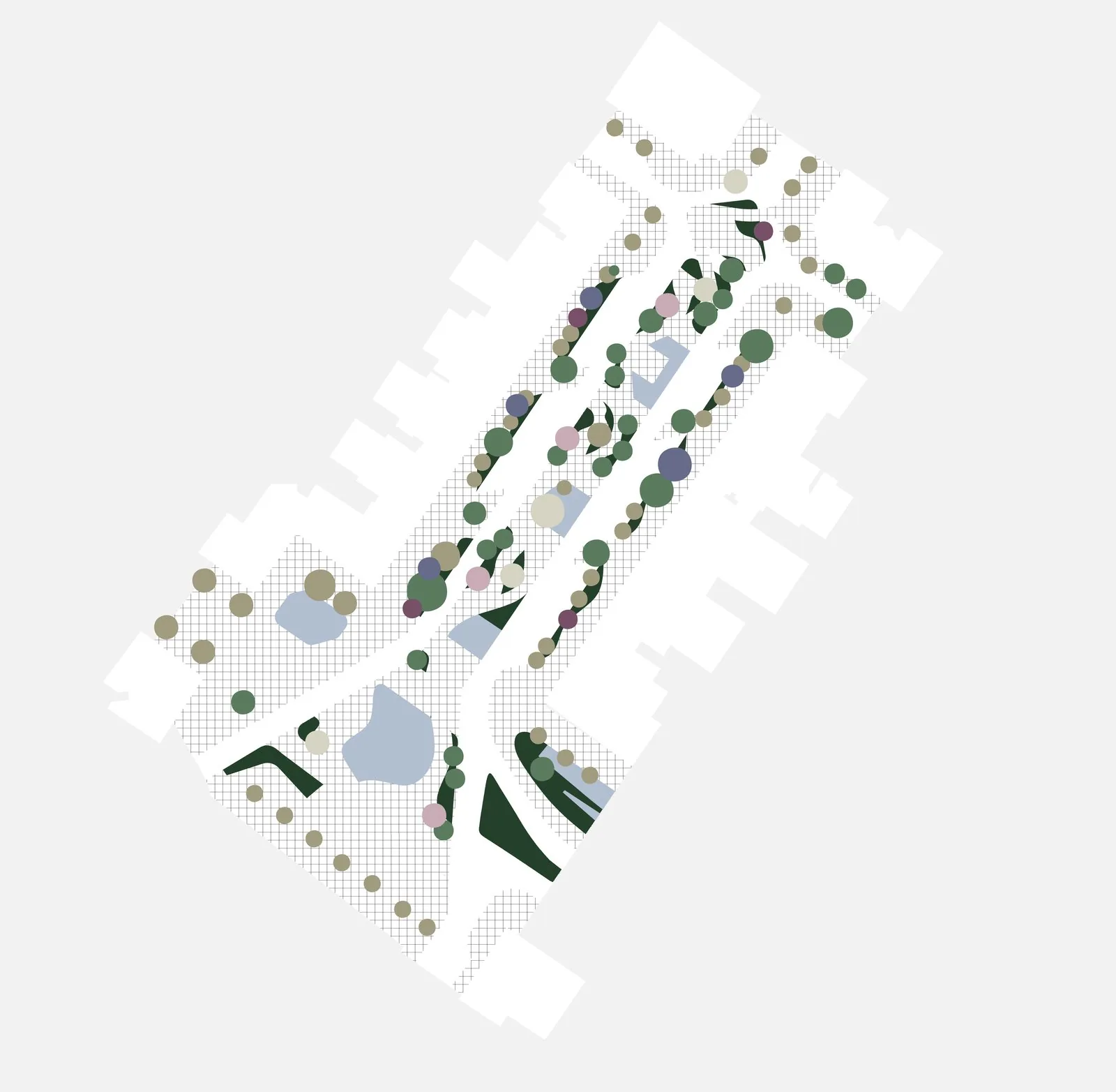
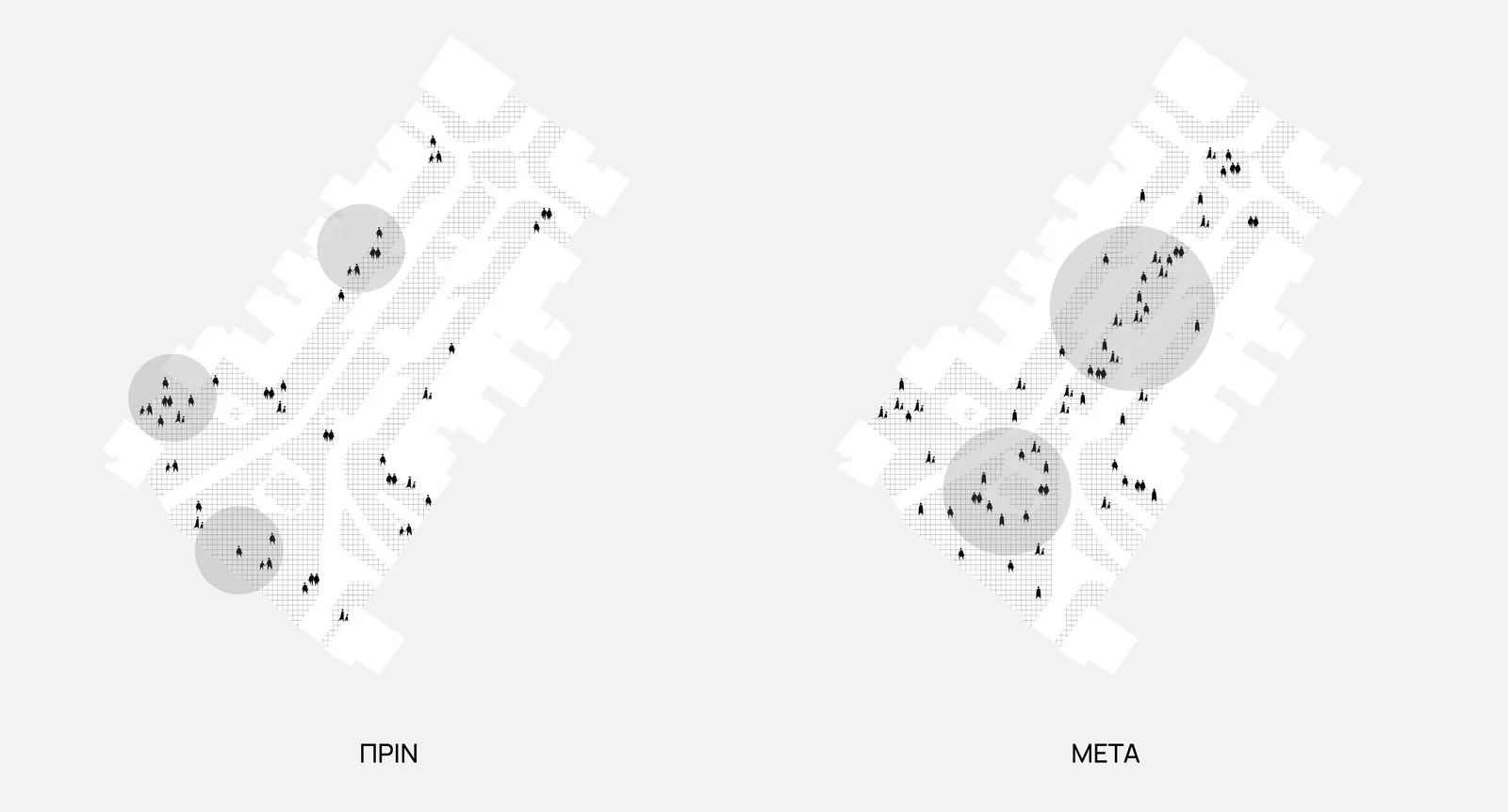
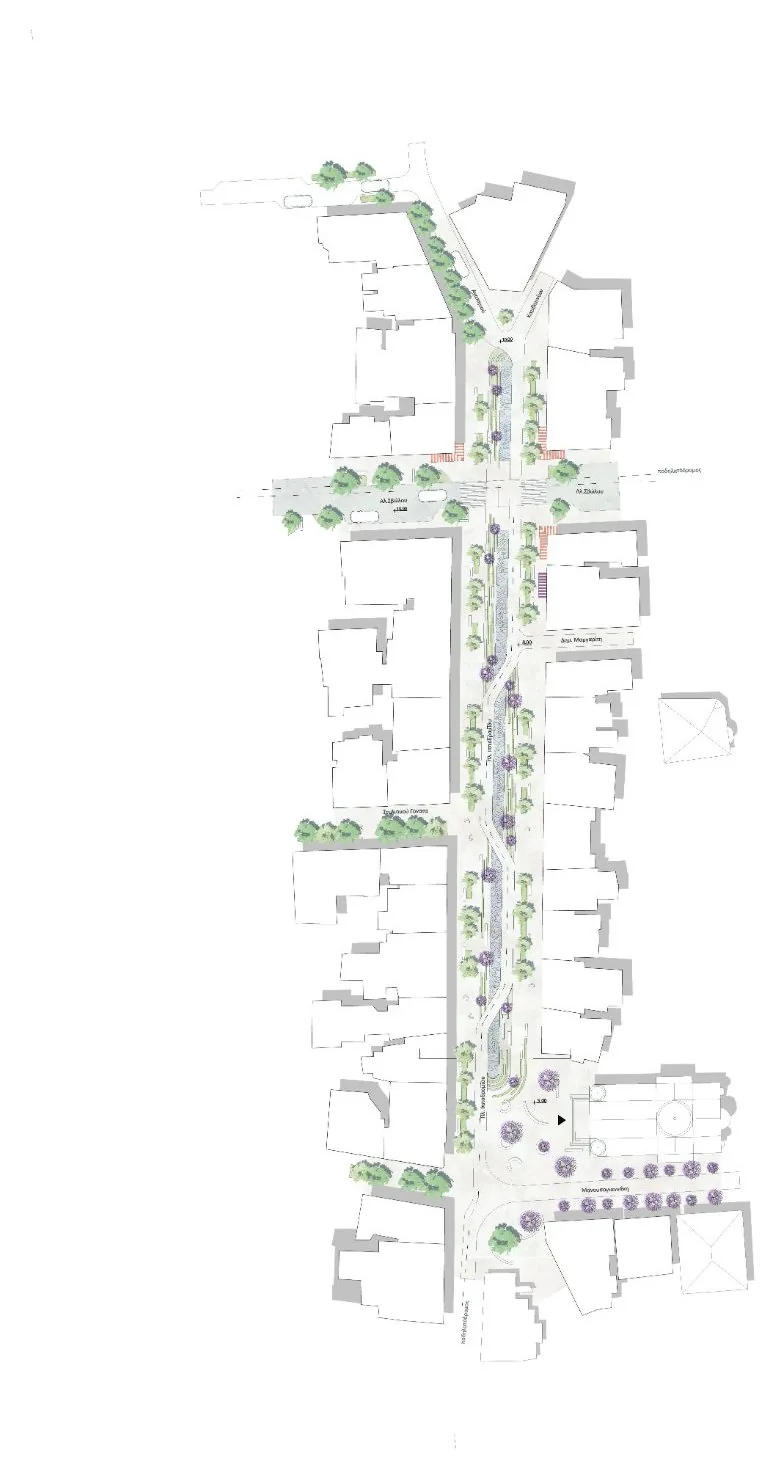
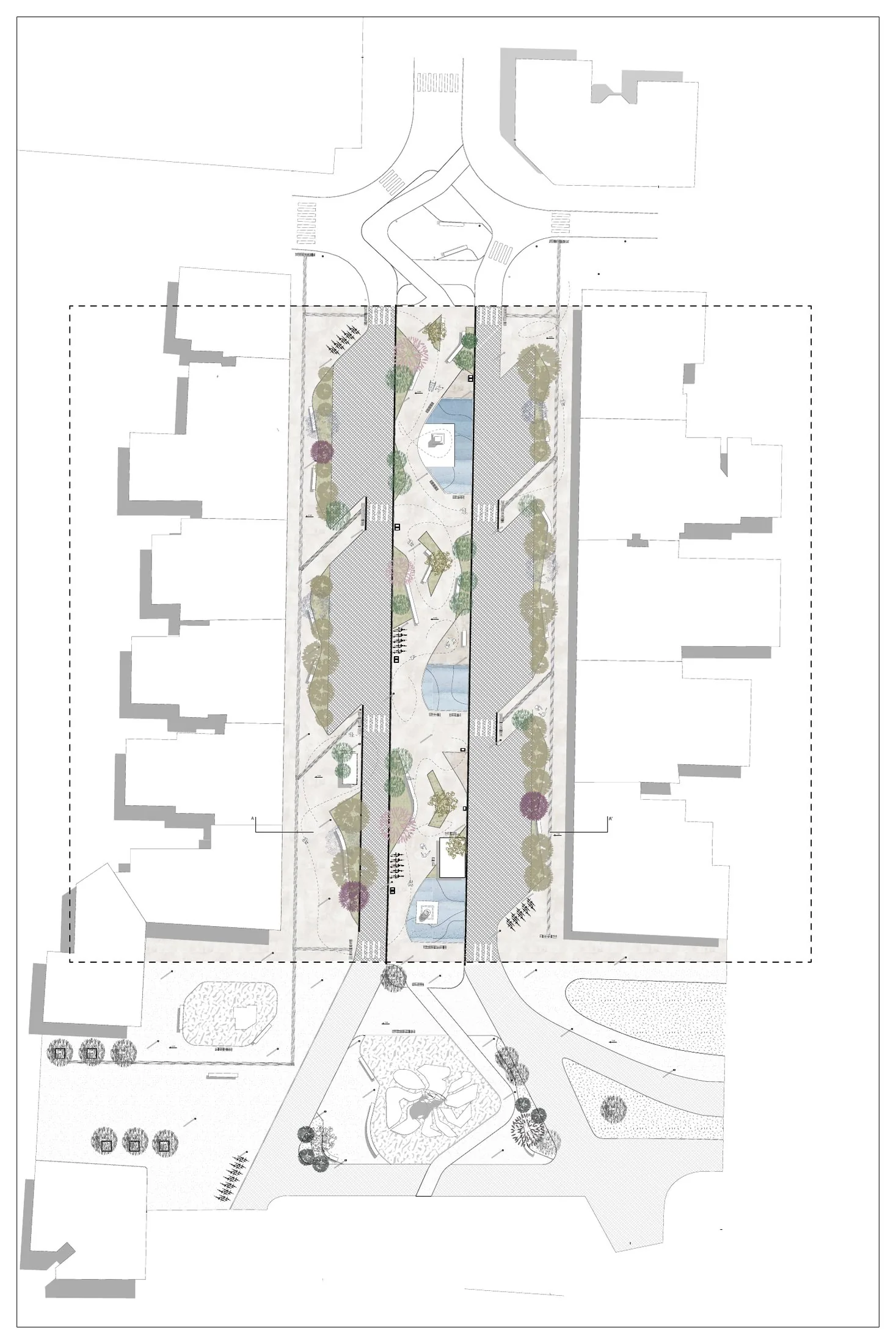
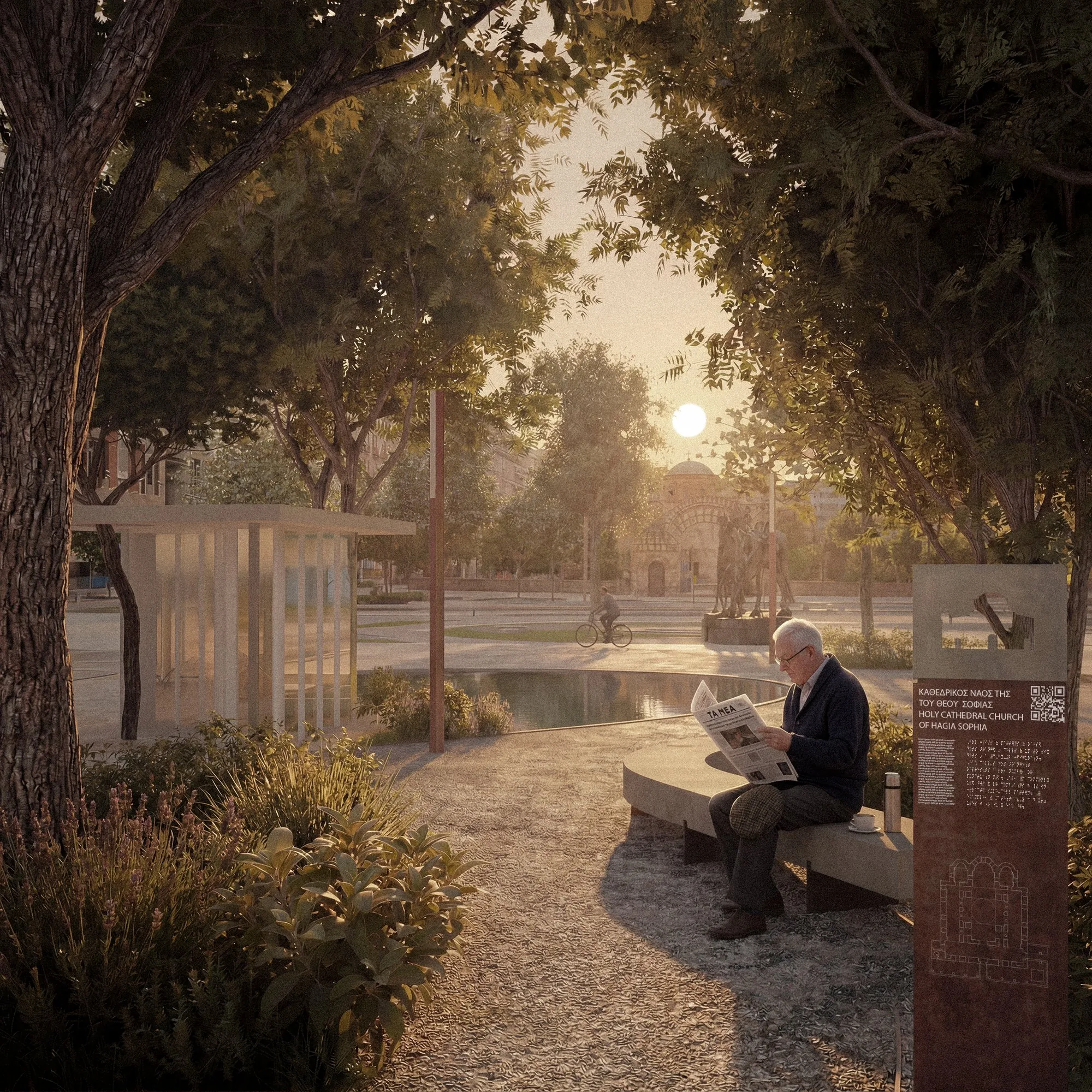
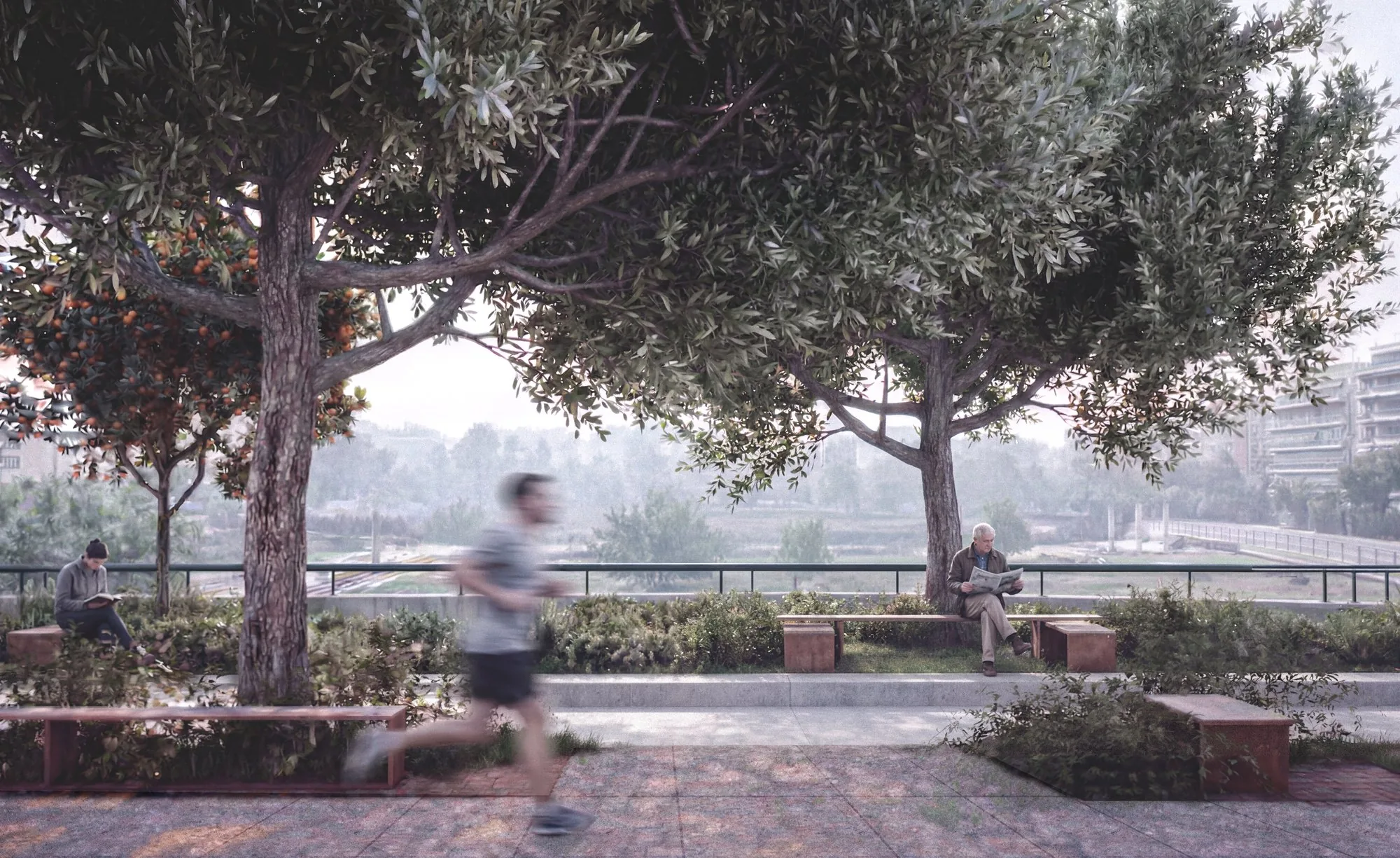
From the entrance of Agia Sofia, crossing the pedestrian street that now reaches the sea, I look at Olympus, and on the other side, high on the horizon, at the Vlatadon Monastery. How much these green north–south axes have brought out the city! I continue through the newly redesigned Ermou, now linked to Agia Sofia and the pedestrian street. The new public space, noticeably greener, with a winding central path and places to rest, leads to the junction with Karolou Dil. An urban park with water at its heart and low plantings of herbs unfolds between two streets carrying more bicycles than cars. Watching an elderly man calmly reading his morning paper, I reach my first destination.
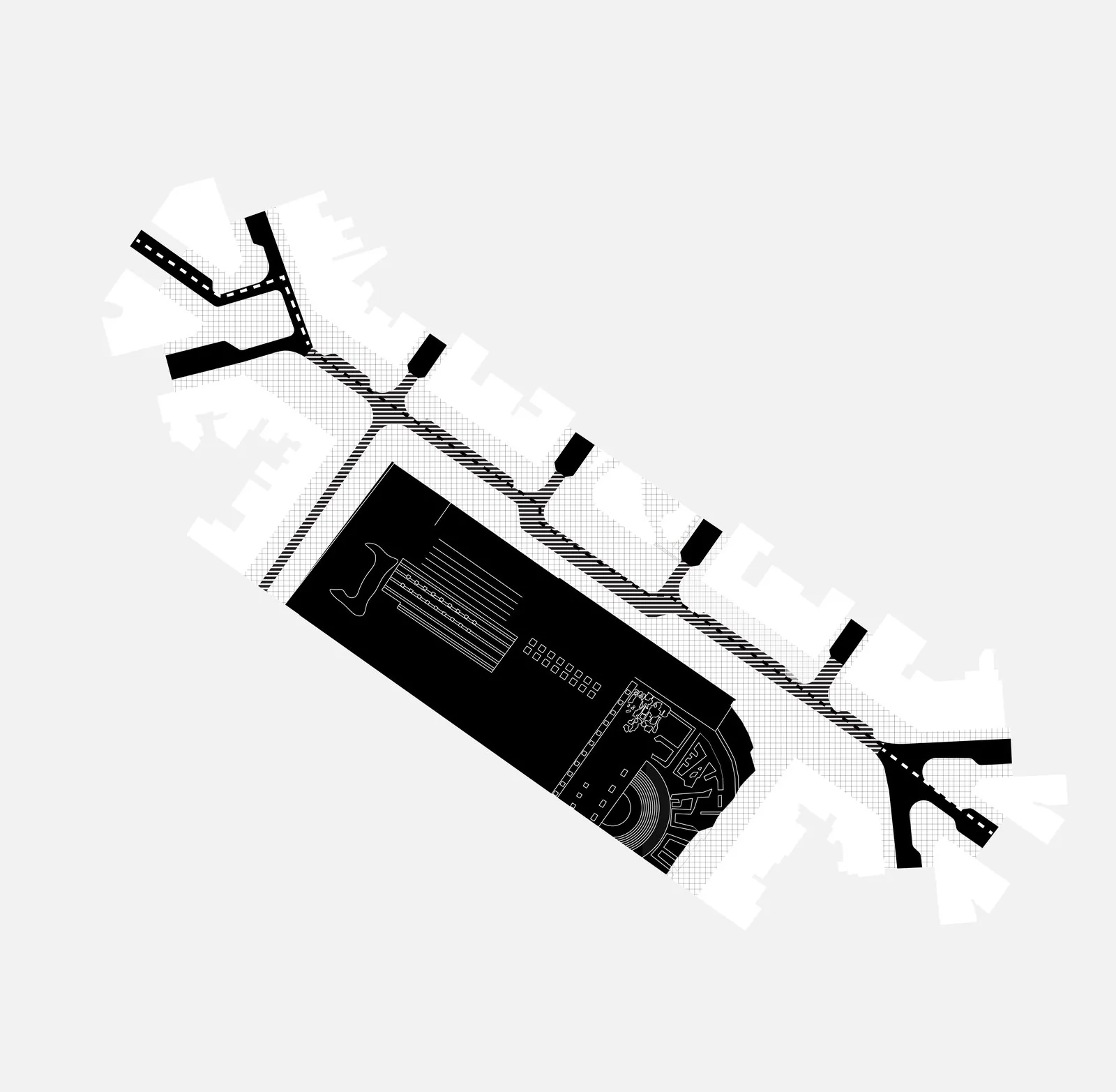
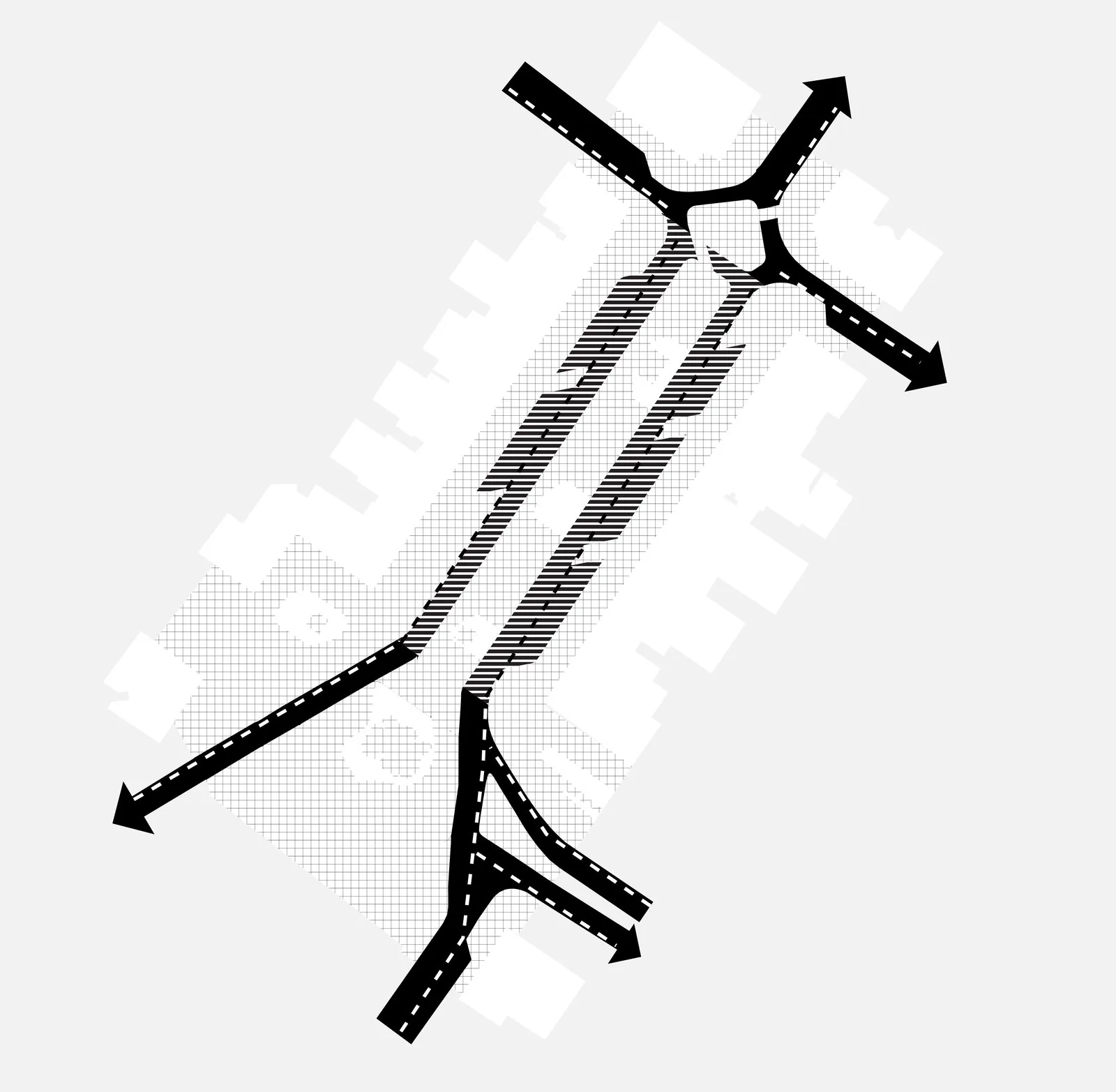
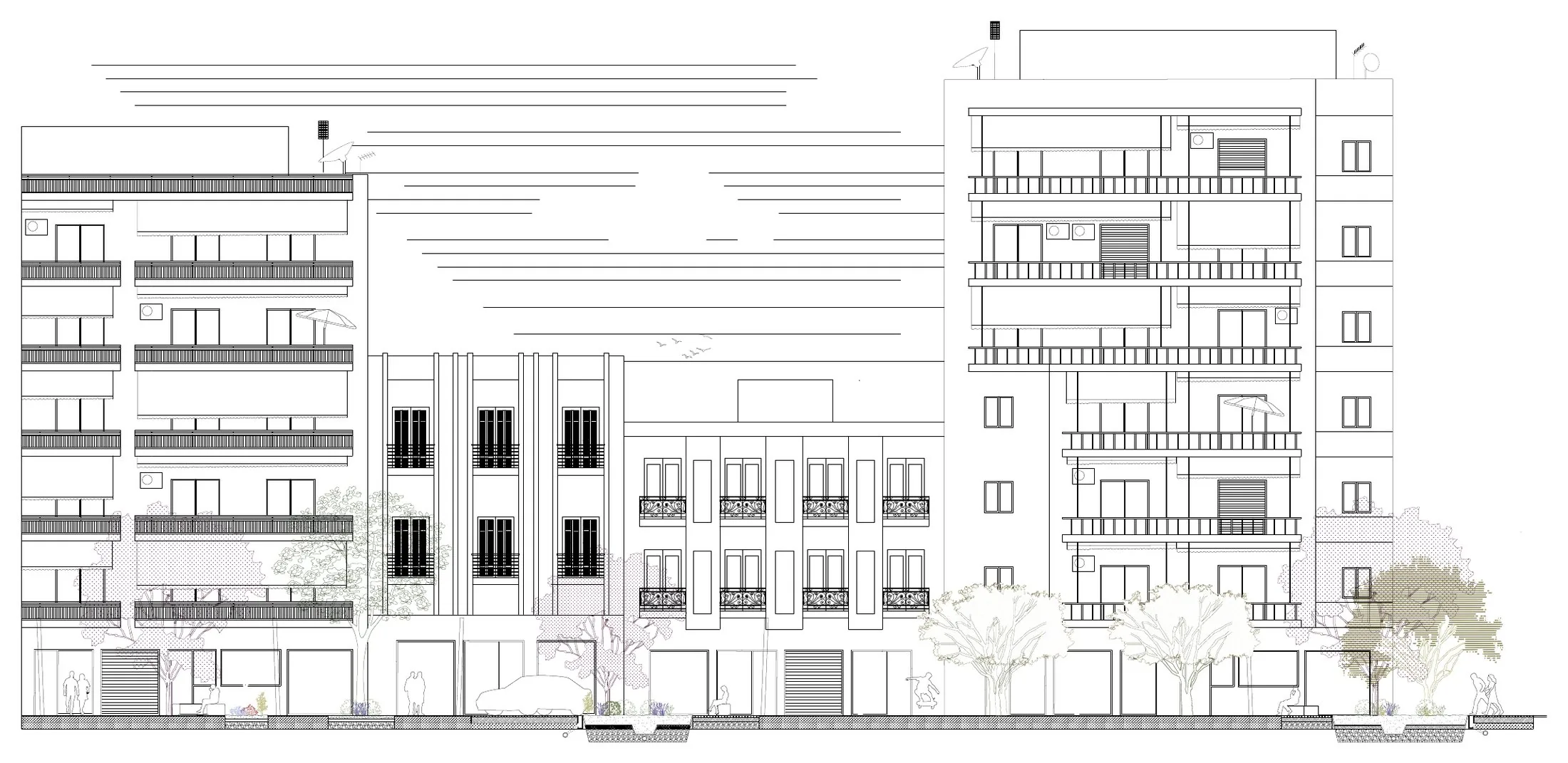
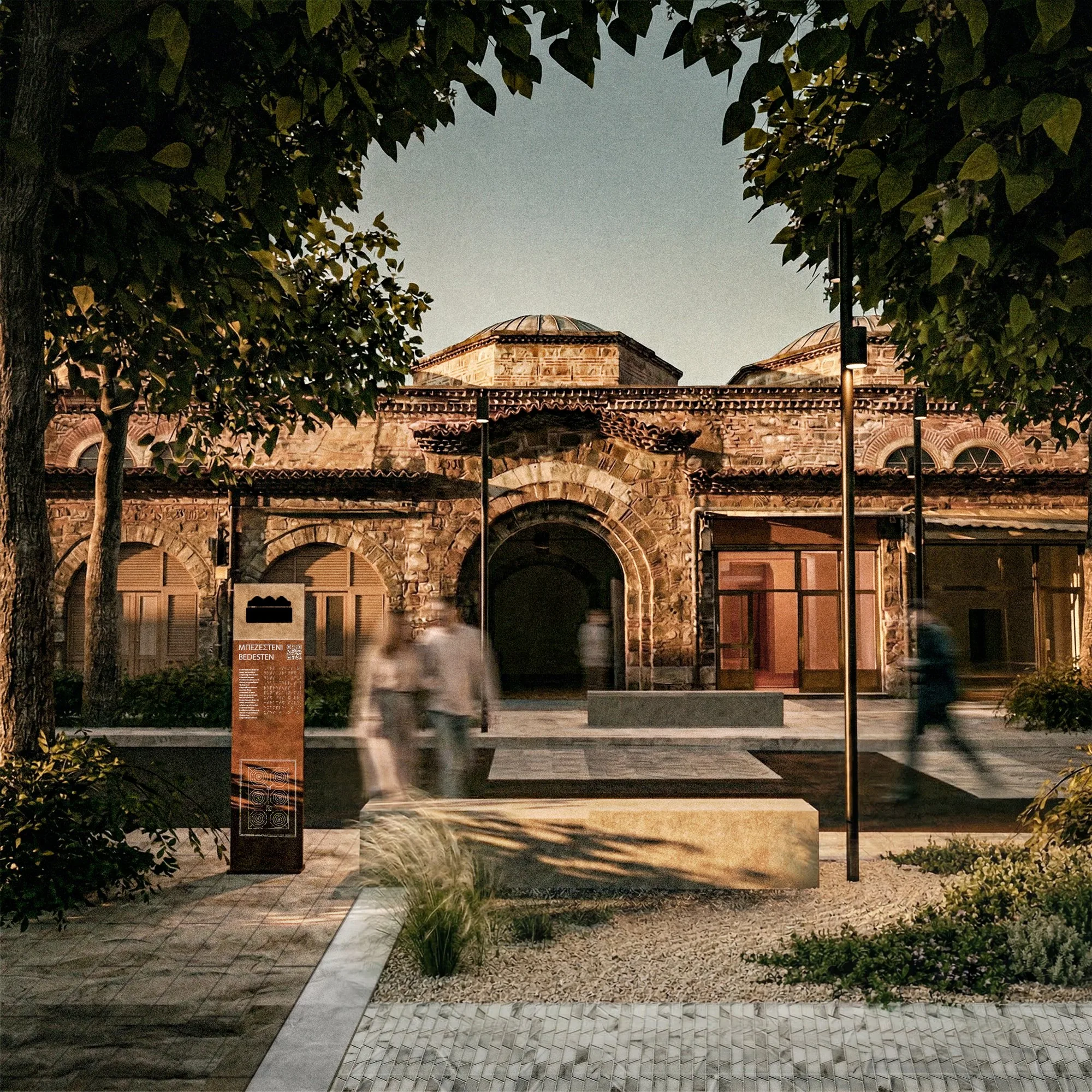
When I’m done, I head for the old commercial centre, where I like to watch the sellers on Athonos and in Kapani and listen to the bustle of the new Aristotelous Square. For the courts, my next stop, I cross Venizelou near the Bezesteni. At its junction with Ermou, a few parking spaces were given up and a new, pedestrian-friendly crossing was designed. The commercial character of Venizelou has been strengthened by widening the pavements while keeping two traffic lanes. Walking up towards Alcazar, I move through crowds. The shops have their windows open, passers-by pause on a broad strip of white granite, and the rest of us walk in the free width of the large pavement. The new trees are putting out their first leaves, promising a cool route through the summer months. Outside the Bezesteni, white and grey granite paving forms a pattern that draws your eye to this historic market, and the tall tree canopy frames the view. Another landmark brought to light, I think!
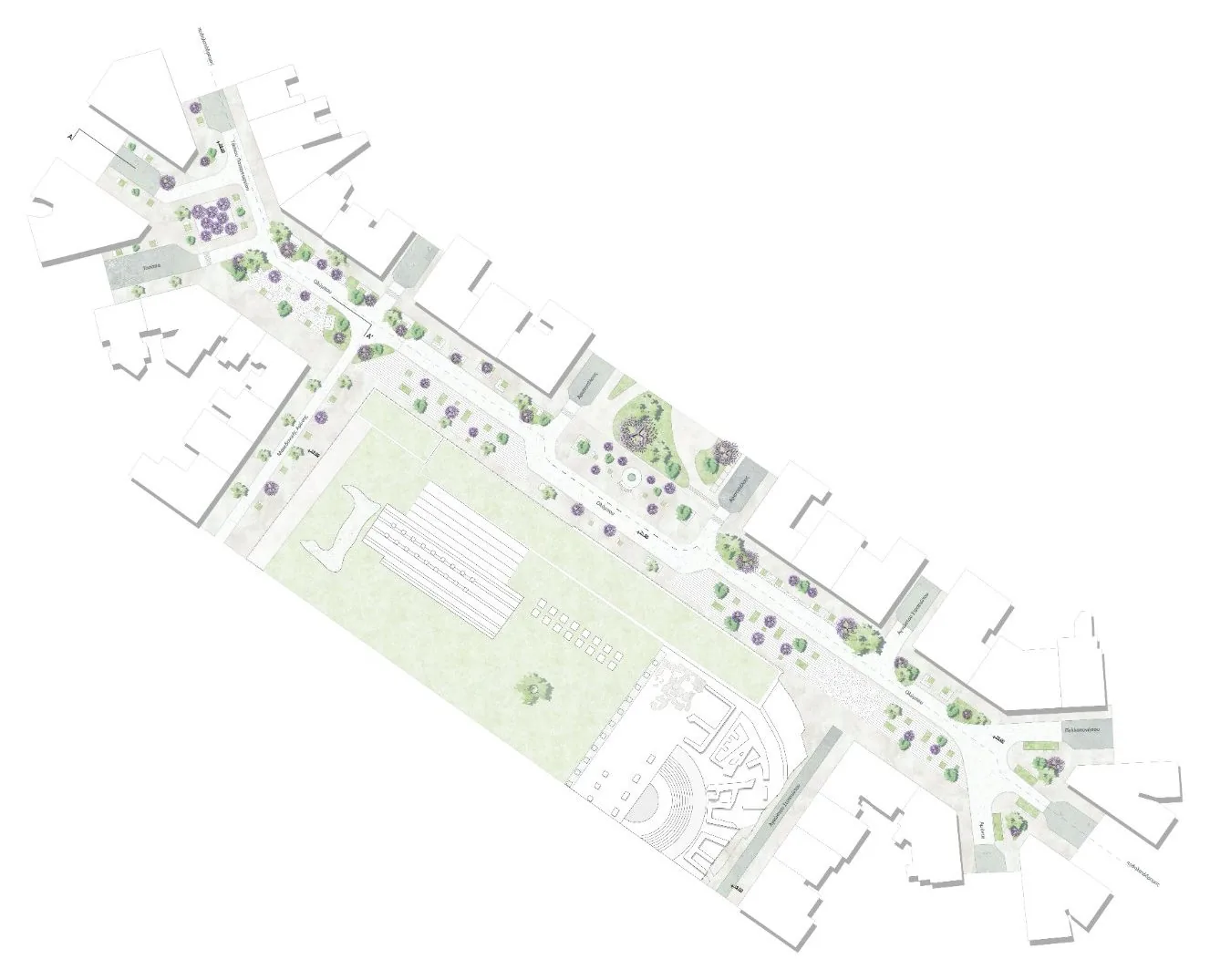
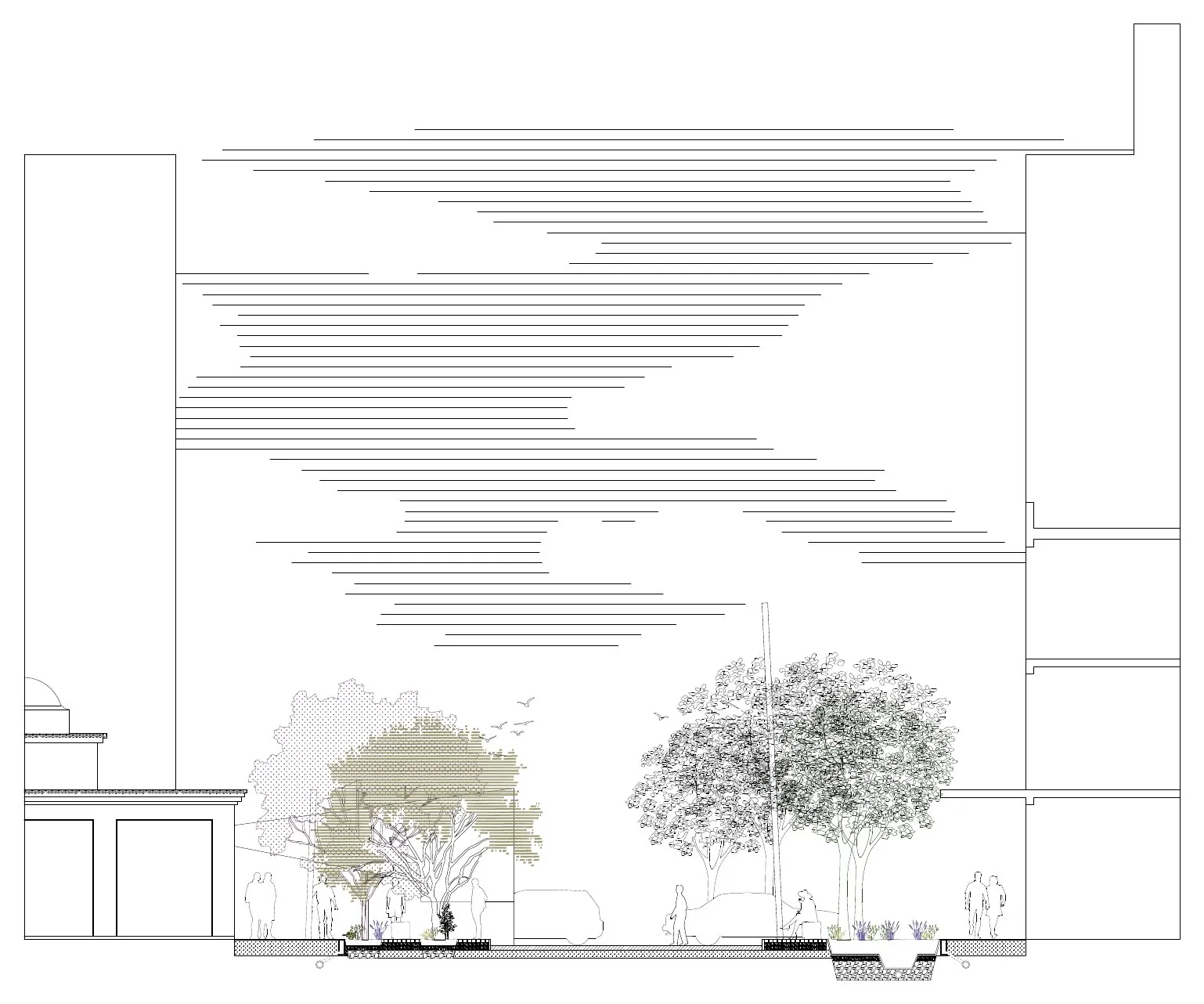
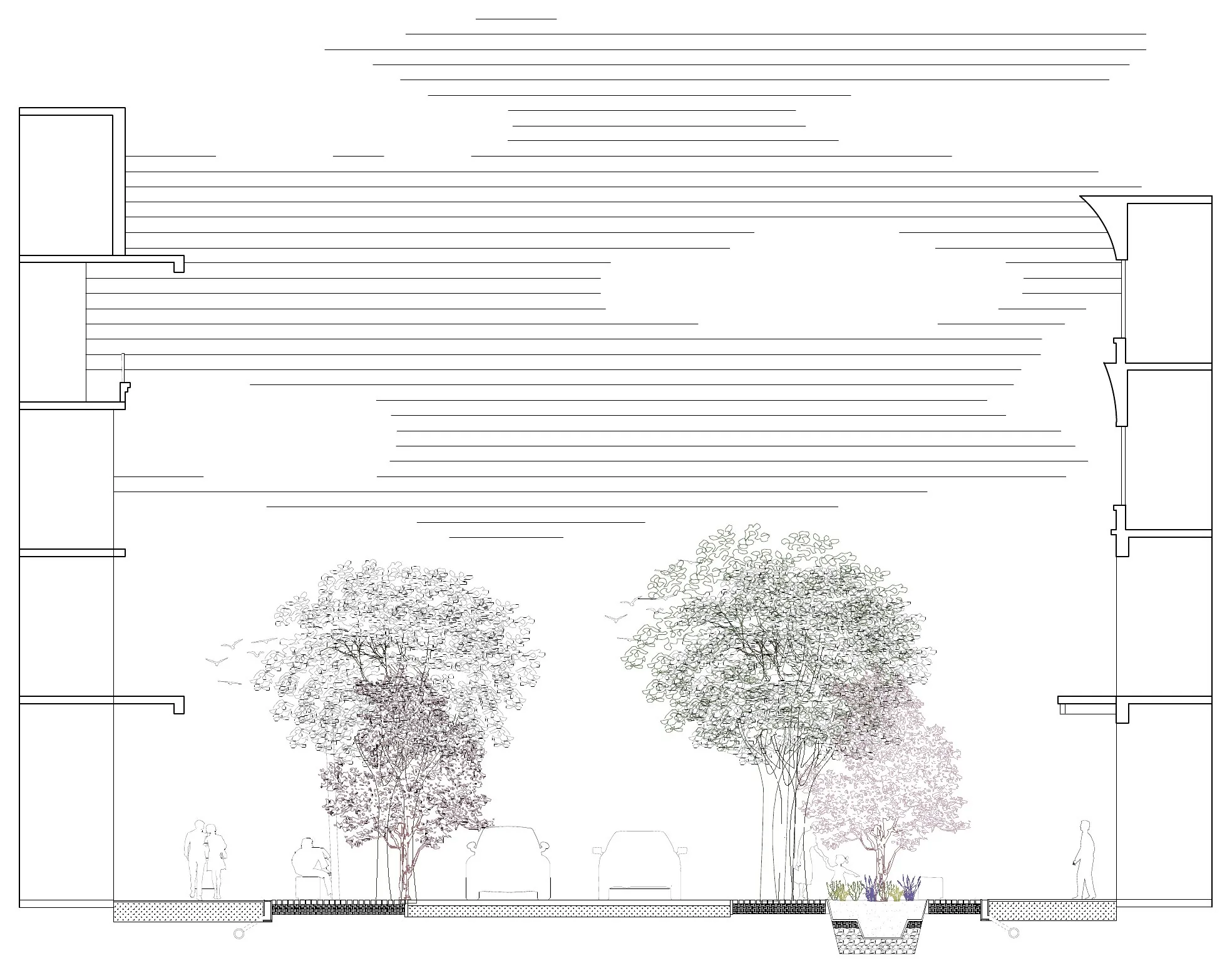
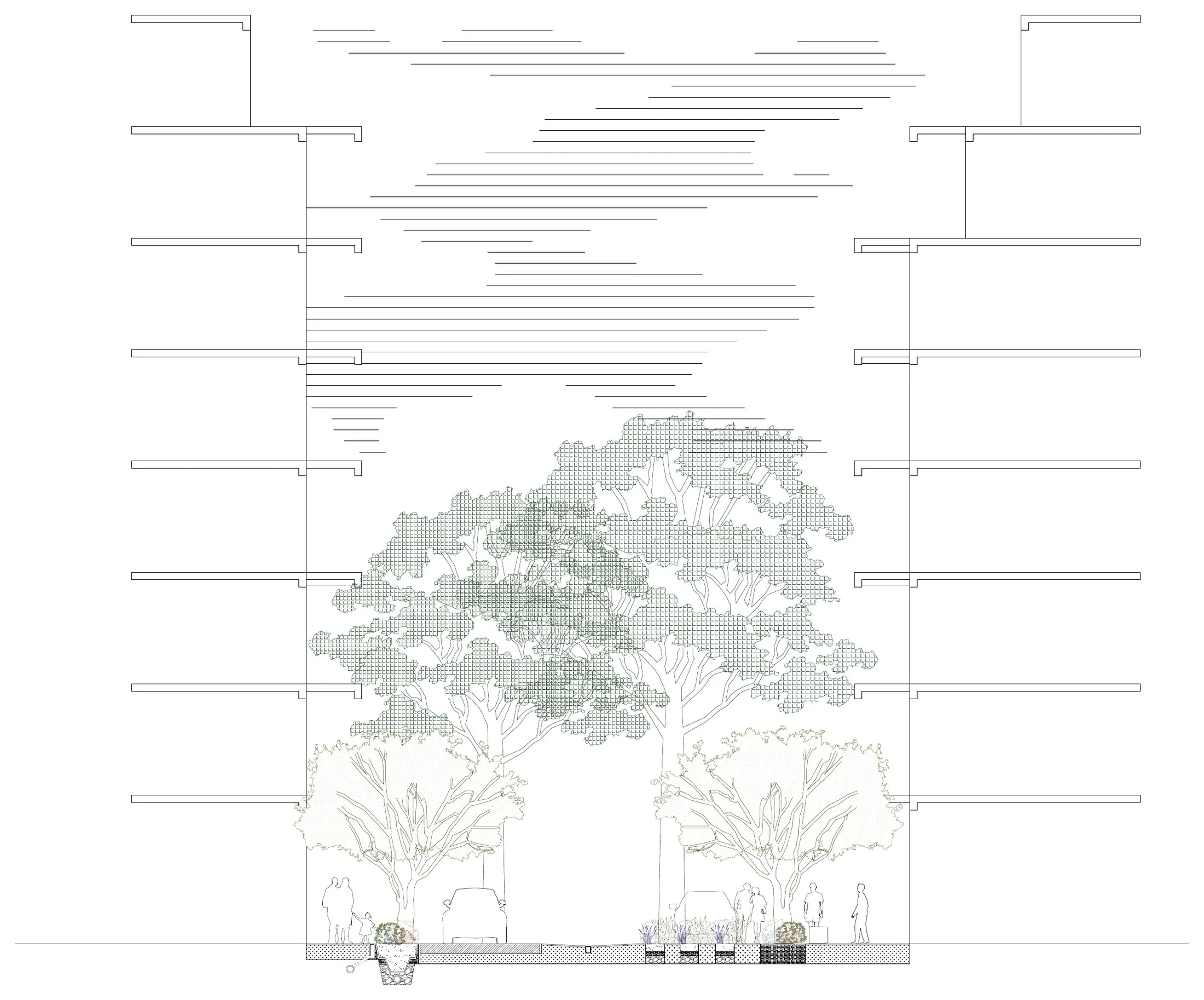
After my second meeting I change my way home: instead of the old waterfront deck, I take Olympou. The news says it has been redesigned in many places, with small shops replacing those abandoned during the crisis. From the start of Olympou, near the western walls, you feel you are on a completely different kind of street. Between pedestrians and cars there are planted areas and seating, small pockets of public life, where I meet young students and groups of older people following one of the many walking routes from east to west.
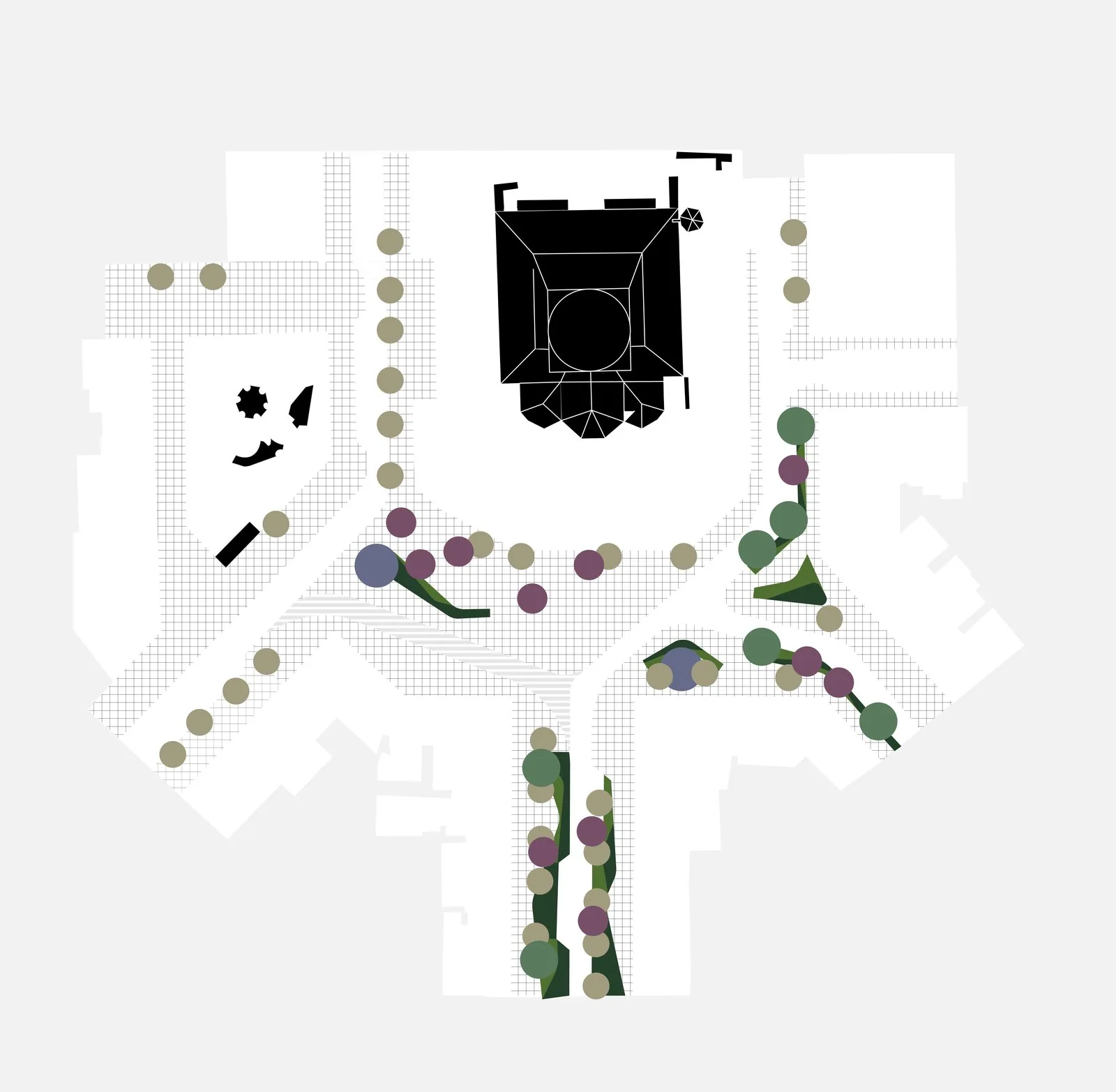
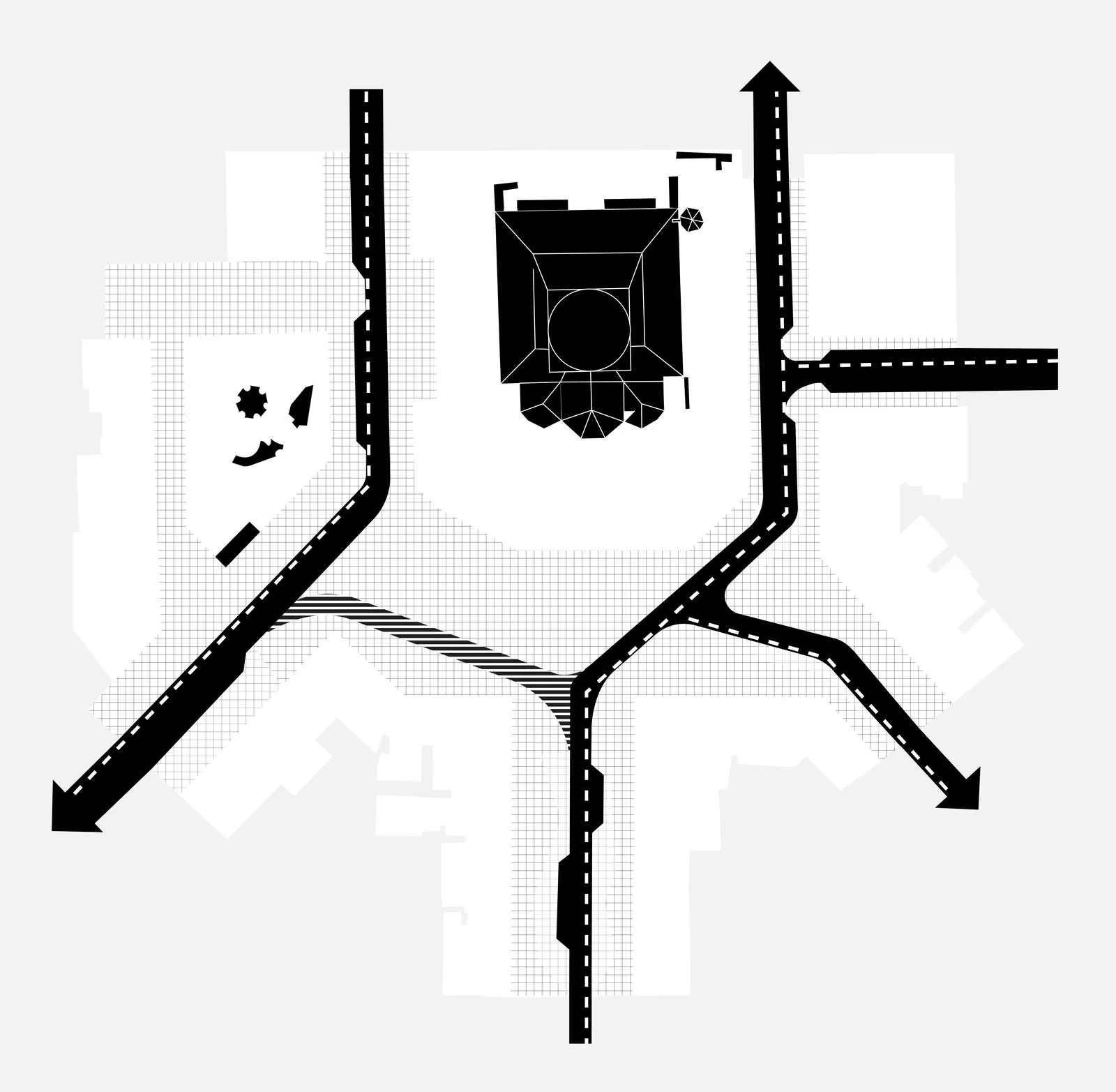
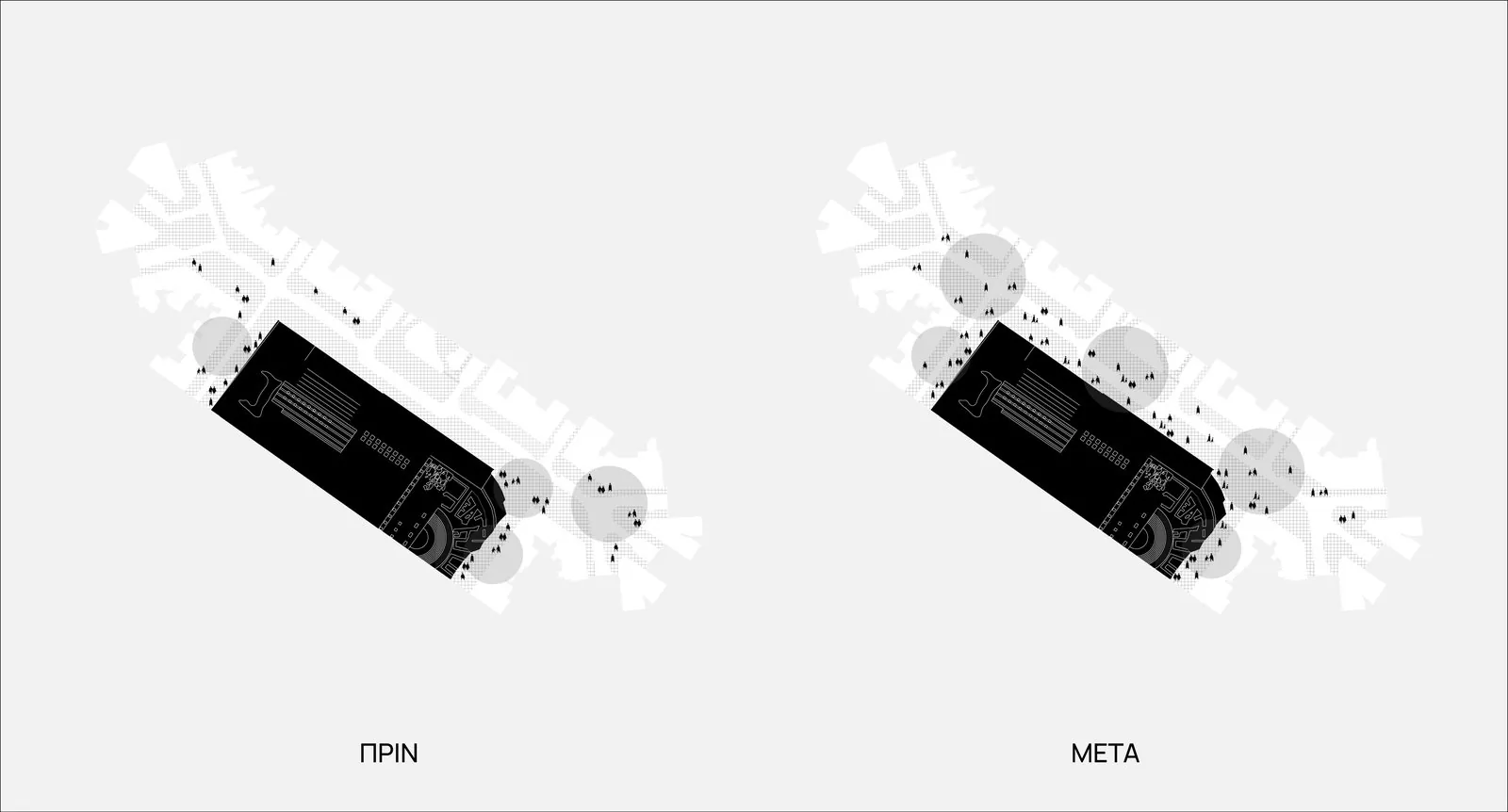
Olympou is being shaped, section by section, into something unique for the city. I cross it, pass the new archaeological site at Kyprion Agoniston Square and reach the junction with Tositsa. There, a space taken by parked cars for years has become a small square, so traffic on Olympou follows a gently curving path and slows down noticeably. From the Bit Bazaar to the Roman Agora one continuous redesign separates a single traffic lane from the pedestrian route with old and new plantings. Fruit trees make you feel you are walking through the courtyards of Olympou’s old houses. The Roman Agora now has public space all around it to show it off, where gathering spots, signage and cycle paths have turned the monument into a meeting place. From here begins the whole new zone of monuments, stretching north to Alaca Imaret and Agios Dimitrios, and south to the Bey Hamam.
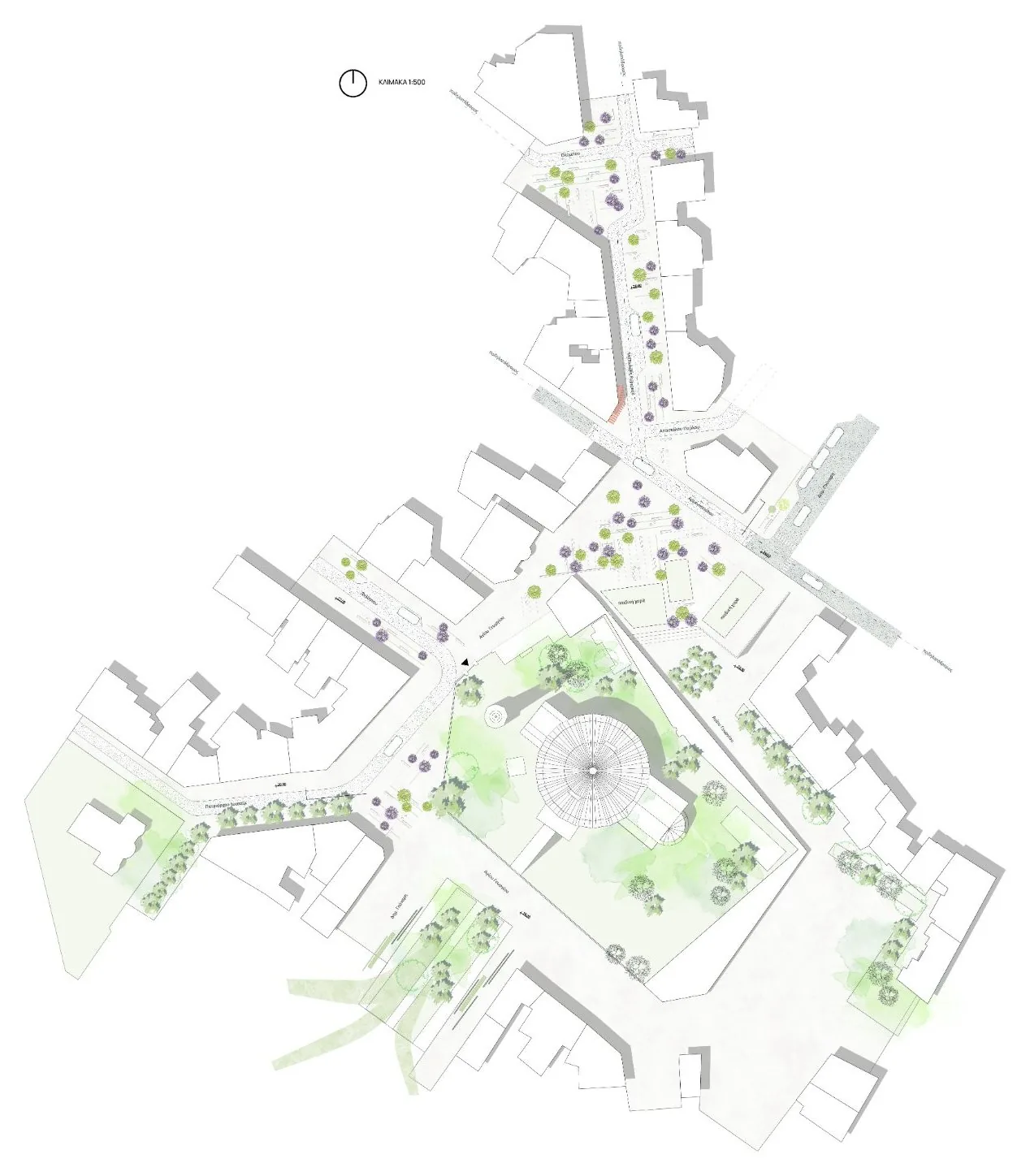
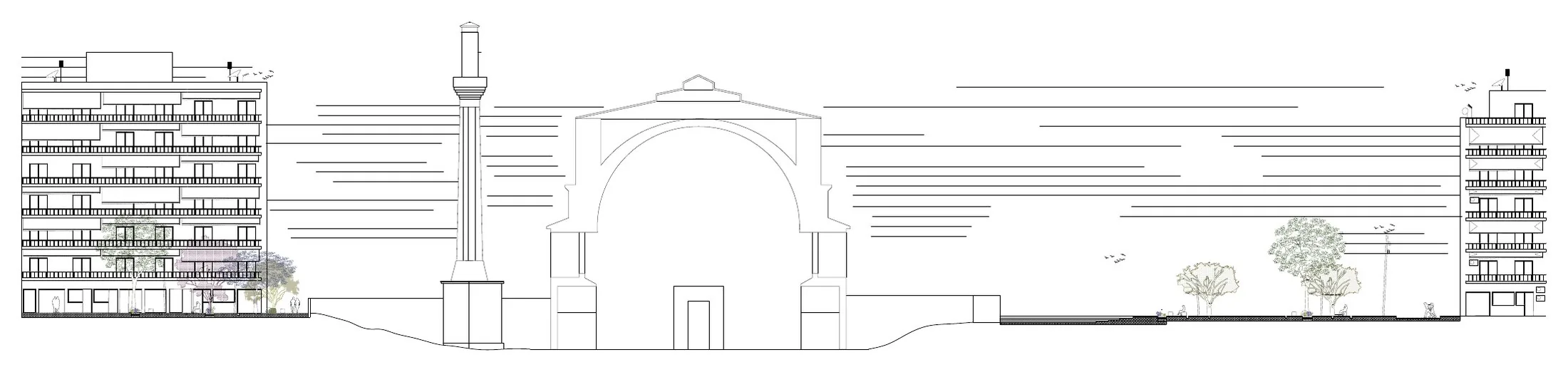
Reaching the Rotonda along Olympou, I pass through yet another new public space, which unites the famous Rotonda, the city’s domed circular monument, with the small Byzantine churches, the Arch of Galerius, the Islahane and the neighbouring eastern walls. Permeable materials and tall plantings create a pleasant microclimate. Groups of tourists are scattered through the space, students fill the outdoor seating, children play in the renewed playgrounds.
I walk in a circle through the space designed around the Rotonda, which leads me to the axis of D. Gounari. I close my eyes and wonder whether I really lived all this in my present-day reality, or whether it was only a vision of architectural regeneration for my beloved city!”
Architectural team
A. Mousmoulidis
E. Koutsioumpas
S. Liarou
A. Nitsa
E. Zanidaki
N. Tsinopoulou
K. Kontodima
D. Gkampoura
M. Gakoudi
L. Mamasi
D. Paschalinou
D. Mavrotas
I. Petropoulos
Engineers
S. Liaros
G. Petrakis
N. Volovini
K. Kentros
A. Stamatoglou
S. Tigkas
Environmentalists and landscape architects
A. P. Kazamias
I. Chalkias
C. Krita
A. Kashitsyna
Archaeologists
D. Poulatzoglou
P. Chrysafakoglou